HomeMCPWorkbenchSkills
HomeWorkbenchNotificationsMe
llms.txt · MCP GuidePrivacy Policy · Terms of Service · Supportv1.8.3
  1. Home
  2. /Compound

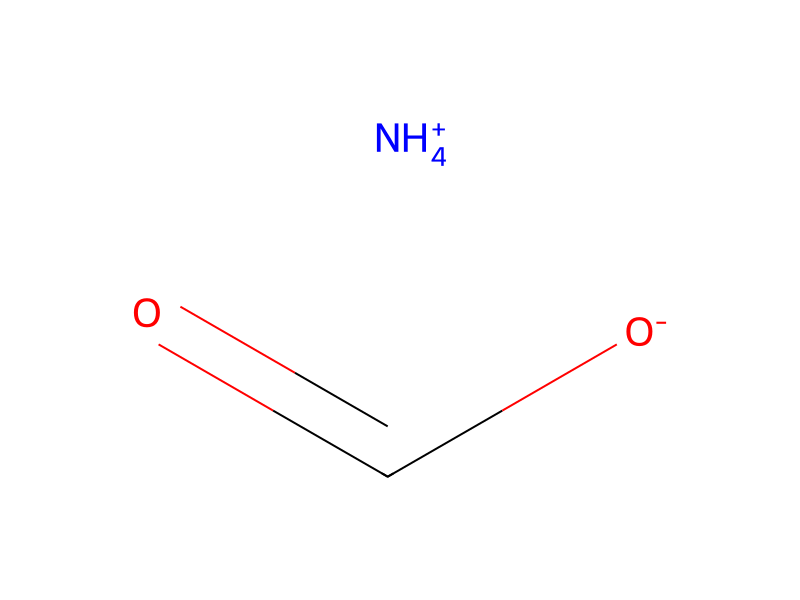
Ammonium formate

HCID 2723923
New reaction
Print
Basic informationOverviewNames & identifiersPropertiesSafety & regulationChemistry & industryRelated reactionsCompound notes
Substructure searchFind similar structures

Basic information

CAS
540-69-2
Standard SMILES
O=C[O-].[NH4+]
InChIKey
VZTDIZULWFCMLS-UHFFFAOYSA-N
Molecular formula
CH2O2.H3N
Average molar mass
63.056 g/mol
Monoisotopic mass
63.0320284

Overview

Ammonium formate is a white solid with a weak odor of ammonia. Sinks and mixes slowly with water. (USCG, 1999)

Names & identifiers

Preferred name
Ammonium formate
IUPAC
azanium formate
English name
Ammonium formate
Molecular formula
CH5NO2
Molecular weight
63.06

Names & synonyms

AMMONIUM FORMATE540-69-2Formic acid, ammonium saltMravencan amonnyFormic acid, ammonium salt (1:1)3801F9644EDTXSID6029624CHEBI:63050RefChem:5549DTXCID309624208-753-9azanium;formate
Show more names
HCOONH4Ammomium formateHCOONH4 CH5NO2mravencanamonny97.0%, for HPLCFormiate ammoniaammmonium formate
Formic acid ammonium saltammoniumformateammonium formiateAmoniumformiateammonia formateammonium formatamonium formateformate ammonium

Database identifiers

CAS
540-69-2、70179-79-2
PubChem CID
2723923
DTXSID
DTXSID6029624
ChEBI
CHEBI:63050
UNII
3801F9644E
EC Number
208-753-9

Properties

Computed structural properties

Topological polar surface area
41.1 Ų
Hydrogen bond donors
1
Hydrogen bond acceptors
2
Rotatable bonds
0
Heavy atoms
4
Formal charge
0
Complexity
7.5

Experimental & physicochemical properties

Chemical ClassesNitrogen Compounds -> Ammonium Compounds
Density · 3 items

1.28 at 77 °F (USCG, 1999) - Denser than water; will sink

1.280

1.26 @25 °C

Color/FormWHITE MONOCLINIC CRYSTALS
SolubilityIN WATER: 102 G/100 CC @ 0 °C, 531 G/100 CC @ 80 °C; SOL IN ETHER, AMMONIA
Boiling Point · 2 items

180 °C DECOMP

180 °C @760 [mm Hg]

DecompositionWhen heated to decomp ... emits toxic fumes of /nitrogen oxides and ammonia/.
Melting Point · 3 items

241 °F (USCG, 1999)

116 °C

116 °C

Physical Description · 3 items

Ammonium formate is a white solid with a weak odor of ammonia. Sinks and mixes slowly with water. (USCG, 1999)

Dry Powder; Liquid

Deliquescent solid; [Hawley] White in color, weak odor of ammonia; [CAMEO] Soluble in water; [MSDSonline]

Other Experimental PropertiesDELIQUESCES

Physicochemical properties

Melting point
119 · 119-121 °C (lit.)
Boiling point
103.28 °C · 103.28°C (rough estimate)
Density
1.26 g/mL · 1.26 g/mL at 25 °C (lit.)
vapor pressure
0.033 Pa · 0.033Pa at 25℃
refractive index
1.4164 · 1.4164 (estimate)
Flash point
104 ℃ · 104℃
storage temp.
Inert atmosphere,Room Temperature
solubility
2 O: · H2O: 10 M at 20 °C, clear, colorless
form
Solid
color
White
Odor
Slight formic acid odour
PH Range
6 · 6 - 7
PH
6.53 · 6.53(1 mM solution);6.5(10 mM solution);6.49(100 mM solution);6.45(1000 mM solution)
Water Solubility
soluble
Sensitive
Hygroscopic
λmax
260 nm · λ: 260 nm Amax: 0.05λ: 280 nm Amax: 0.04
Merck
14 · 14,523
BRN
3625095 · 3625095
Stability
Stable. Hygroscopic. Incompatible with strong acids, strong oxidizing agents.
InChI
1S/CH2O2.H3N/c2-1-3;/h1H,(H,2,3);1H3
InChIKey
VZTDIZULWFCMLS-UHFFFAOYSA-N
SMILES
N.OC=O
LogP
-3.34 at · -3.34 at 25℃
FDA 21 CFR
573.17 · 573.170
CAS DataBase Reference
540 · 540-69-2(CAS DataBase Reference)
EWG's Food Scores
1 · 1
FDA UNII
3801 F9644E · 3801F9644E
EPA Substance Registry System
Ammonium formate (540-69-2)
UNSPSC Code
12352300 · 12352300
NACRES
21 · NB.21
Symbol(GHS)
7 · GHS07
Signal word
Warning
Hazard statements
319 · H319
Precautionary statements
264 · P264-P280-P305+P351+P338-P337+P313
PPE
95 · dust mask type N95 (US), Eyeshields, Gloves
Hazard Codes
Xi
Risk Statements
36 · 36/37/38
Safety Statements
26 · 26-36-37/39
WGK Germany
2 · 2
RTECS
6650000 · BQ6650000
F
3 · 3-10
TSCA
TSCA listed
HS Code
2915120000 · 2915120000
Storage Class
11 · 11 - Combustible Solids
Hazard Classifications
2 · Eye Irrit. 2
Hazardous Substances Data
540 · 540-69-2(Hazardous Substances Data)
Toxicity
50 orl-mus: · LD50 orl-mus: 2250 mg/kg ZERNAL 9,332,69
REACH Registrations
Active

Safety & regulation

Safety information is for reference only and does not replace the supplier’s Safety Data Sheet (SDS), applicable regulations, or professional assessment.

GHS classification

GHS Classification · 6 items

This chemical does not meet GHS hazard criteria for 17.6% (59 of 335) of reports.

Warning

H315 (66.3%): Causes skin irritation [Warning Skin corrosion/irritation]

P261, P264, P264+P265, P271, P280, P302+P352, P304+P340, P305+P351+P338, P319, P321, P332+P317, P337+P317, P362+P364, P403+P233, P405, and P501 (click each P-code to see the statement)

Aggregated GHS information provided per 335 reports by companies from 24 notifications to the ECHA C&L Inventory. Each notification may be associated with multiple companies.

Not Classified

Hazard information

Regulatory Information · 5 items

Chemical: Formic acid, ammonium salt

Regulation (EC) No 1831/2003 (amended)

Formic acid, ammonium salt (1:1) is listed on the EPA's Chemical Data Reporting (CDR) system. Manufacturers and importers of Formic acid, ammonium salt (1:1) are required to report information about their production and use of this chemical to the EPA under the Toxic Substances Control Act (TSCA). (40 eCFR Part 711)

REACH registered substance: Ammonium formate (EC: 208-753-9)

Formic acid, ammonium salt: Does not have an individual approval but may be used under an appropriate group standard

Other Safety InformationIMAP assessments - Formic acid, ammonium salt: Environment tier I assessment
Fire HazardsSpecial Hazards of Combustion Products: Toxic and irritating ammonia and formic acid gases may form in fire. (USCG, 1999)
Health HazardsInhalation causes irritation of nose and throat. Ingestion irritates mouth and stomach. Contact with eyes or skin causes irritation. (USCG, 1999)
Hazards SummaryA skin and mucous membrane irritant; [HSDB]
Reactive GroupSalts, Acidic
Reactivity Profile · 1 item

Acidic salts, such as AMMONIUM FORMATE, are generally soluble in water. The resulting solutions contain moderate concentrations of hydrogen ions and have pH's of less than 7.0. They react as acids to neutralize bases. These neutralizations generate heat, but less or far less than is generated by neutralization of inorganic acids, inorganic oxoacids, and carboxylic acid. They usually do not react as either oxidizing agents or reducing agents but such behavior is not impossible. Many of these compounds catalyze organic reactions.

Air and Water ReactionsWater soluble.
Hazard Classes and CategoriesSkin Irrit. 2 (66.3%)

Safety & protection

Fire FightingFire Extinguishing Agents: Water, foam (USCG, 1999)
First AidINHALATION: remove to fresh air.
Storage ConditionsKEEP TIGHTLY CLOSED.
Protective Action Criteria (PAC) · 3 items

3.7 [mg/m3]

41 [mg/m3]

240 [mg/m3]

Personal Protective Equipment (PPE)Dust mask; goggles or face shield; rubber gloves (USCG, 1999)

Toxicology

Human Toxicity Excerpts · 2 items

STRONG SOLN MAY BE IRRITATING TO SKIN AND MUCOUS MEMBRANES.

...WITH LARGE DOSES OF...AMMONIUM /SALTS/, THERE ARISES THE POSSIBILITY OF SUFFICIENT ABSORPTION TO PRODUCE DIURESIS & SYSTEMIC AMMONIA POISONING, PARTICULARLY IF MATERIAL IS ADMIN PARENTERALLY. /AMMONIUM SALTS/

Safety data

F
3-10
PPE
dust mask type N95 (US), Eyeshields, Gloves
wgk
2
tsca
TSCA listed
rtecs
BQ6650000
hs_code
2915120000
Toxicity
LD50 orl-mus: 2250 mg/kg ZERNAL 9,332,69
risk_code
36/37/38
Signal word
Warning
Symbol(GHS)
GHS07
hazard_code
Xi
safety_code
26-36-37/39
Storage Class
11 - Combustible Solids
Hazard statements
H319
REACH Registrations
Active
Hazard Classifications
Eye Irrit. 2
Precautionary statements
P264-P280-P305+P351+P338-P337+P313
Hazardous Substances Data
540-69-2(Hazardous Substances Data)

Chemistry & industry

Uses & manufacturing

Uses · 3 items

Use in chemical analysis; [Merck Index] Used as a buffer; [CHEMINFO]

CHEM ANAL TO PPT BASE METALS FROM SALTS OF NOBLE METALS

BUFFER

U.S. Production2023: 550,000 - <1,000,000 lb
Consumer UsesSoil amendments (fertilizers)
Industry UsesPlating agent
Methods of ManufacturingPREPD FROM FORMIC ACID & AMMONIA: ZUFFANTI, J AM CHEM SOC 63, 3123 (1941).
General Manufacturing Information · 3 items

Not Known or Reasonably Ascertainable

Formic acid, ammonium salt (1:1): ACTIVE

FORMATES ARE COMMONLY USED FOOD PRESERVATIVES.

Applications · 2 items

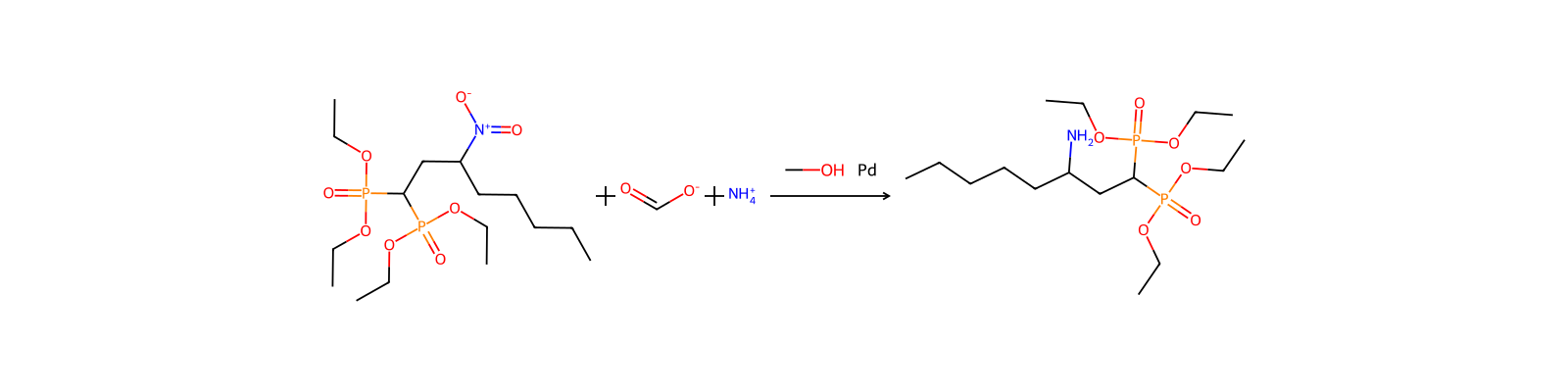
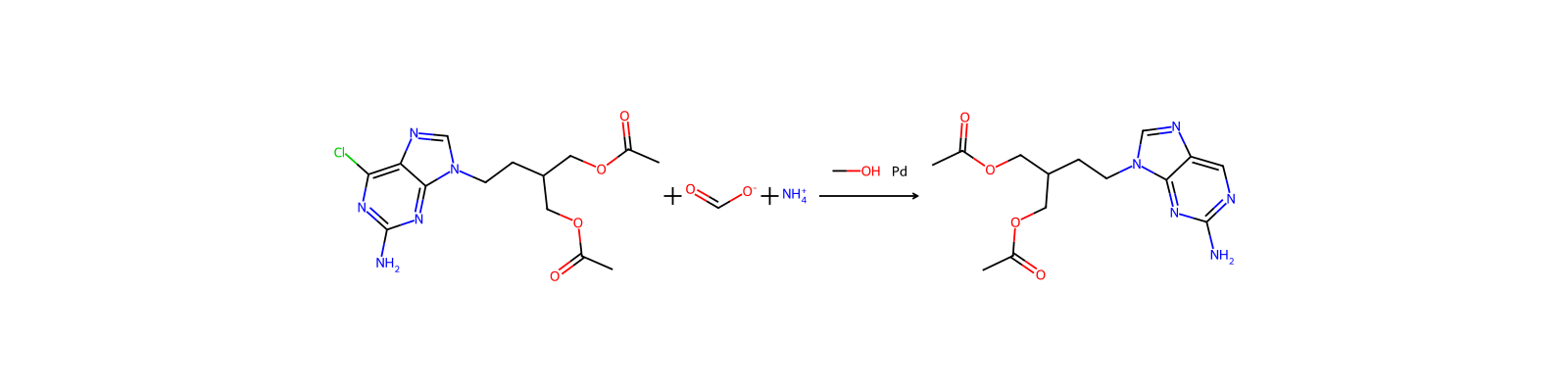
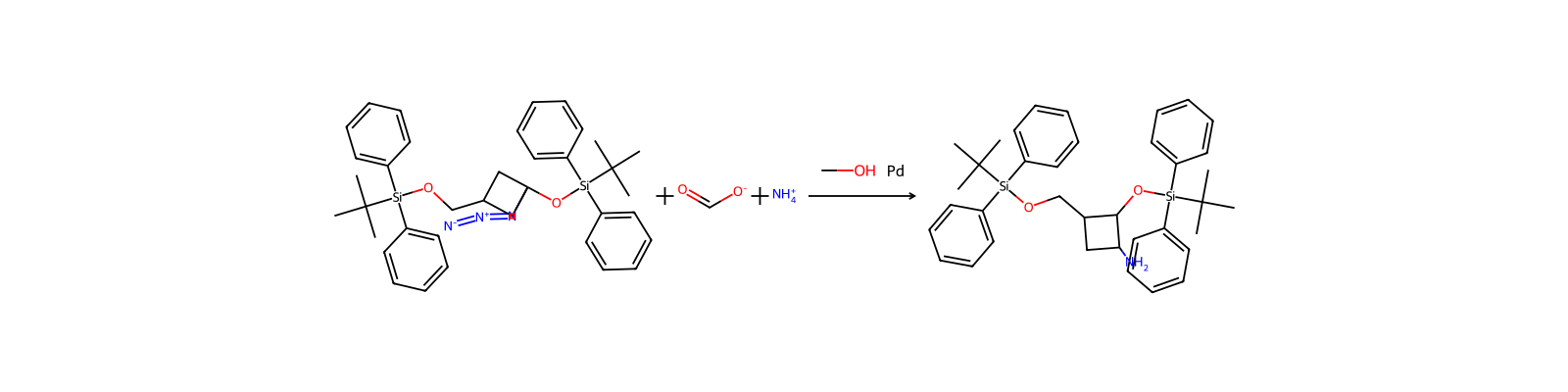
UsesAmmonium formate is widely used in various organic reactions like Leuckart reaction which involves the reductive amination of aldehydes and ketones. It serves as a buffer in high performance liquid chromatography (HPLC) and liquid chromatography-mass spectrometry (LC/MS). It finds application in palladium on carbon (Pd/C) reduction of functional groups. For example, reduction of alkenes to alkanes and formaldehyde to methanol. It is also used to prepare formic acid insitu as well as used to store formic acid by making it as an ammonium salt.

UsesPure ammonium formate decomposes into formamide and water when heated, and this is its primary use in industry. Formic acid can also be obtained by reacting ammonium formate with a dilute acid, and since ammonium formate is also produced from formic acid, it can serve as a way of storing formic acid. In chemical analysis, especially to ppt base metals from salts of the "noble" metals. Ammonium formate can also be used in palladium on carbon (Pd / C) reduction of functional groups. In the presence of Pd / C, ammonium formate decomposes to hydrogen, carbon dioxide, and ammonia. Ammonium formate can be used for reductive amination of aldehydes and ketones (Leuckart reaction) Ammonium formate can be used as a buffer in high performance liquid chromatography (HPLC), and is suitable for use with liquid chromatography/mass spectrometry (LC/MS). .

Upstream & downstream products

Upstream raw materials

4-ChlorobenzaldehydeFormic acidAmmonia

Downstream products

3-Azetidinecarboxylic acid4-(Trifluoromethyl)nicotinic acid(R)-(-)-2-Aminoheptane5-Fluoro-2-picolinic acid(1,3,5-Trimethyl-1H-pyrazol-4-yl)methylamine1-N-Boc-3-hydroxyazetidineC-(1-Methyl-piperidin-2-yl)-methylamine4-Methyl-1,3-oxazole-5-carboxylic acid1,2,4-TriazoleCitrazinic acid4-Methyloxazole-5-carbonyl chloride3,4,5-Trimethoxybenzylamine5-(Aminomethyl)-2,3-dihydrobenzo[b]furan4-Chloro-7-methylthieno[3,2-d]pyrimidineTeicoplanin A23-ChlorobenzylamineDL-alpha-Methylbenzylamine4-Aminotetrahydropyran5-Chloro-1H-indazole-3-carboxylic acid4-Chloro-2-methylbenzylamine7-Methylthieno[3,2-d]pyrimidin-4(3H)-one(4S)-Hydroxy-3-methyl-2-(2-propenyl)-2-cyclopentene-1-one3-(4-Morpholinyl)aniline5-amino-1H-Indole-2-carboxylic acid ethyl ester5-Azaindole(1H-Indazol-3-yl)-acetic acid4-Hydroxy-3-methoxybenzylamine hydrochloride3-Amino-5-fluoropyridineDL-alpha-MethylbenzylamineTriadimefonEthyl 5-amino-1H-indole-2-carboxylate3,5-Bis(trifluoromethyl)benzylamine3-Amino-4-methoxybenzoic acid2,5-Dimethoxybenzylamine

Additional notes

DefinitionChEBI: Ammonium formate is the ammonium salt of formic acid. It has a role as a buffer. It is functionally related to a formic acid.

Related reactions

3,036 records
New reaction record
HRID 1252 reaction equation
HRID 1252As reactant
HRID 1885 reaction equation
HRID 1885As reactant
HRID 1976 reaction equation
HRID 1976As reactant
HRID 5652 reaction equation
HRID 5652As reactant
HRID 5653 reaction equation
HRID 5653As reactant
HRID 5866 reaction equation
HRID 5866As reactant
HRID 5867 reaction equation
HRID 5867As reactant
HRID 5962 reaction equation
HRID 5962As reactant
PreviousPage 1 of 380

Compound notes

On this pageBasic informationOverviewNames & identifiersPropertiesSafety & regulationChemistry & industryRelated reactionsCompound notes