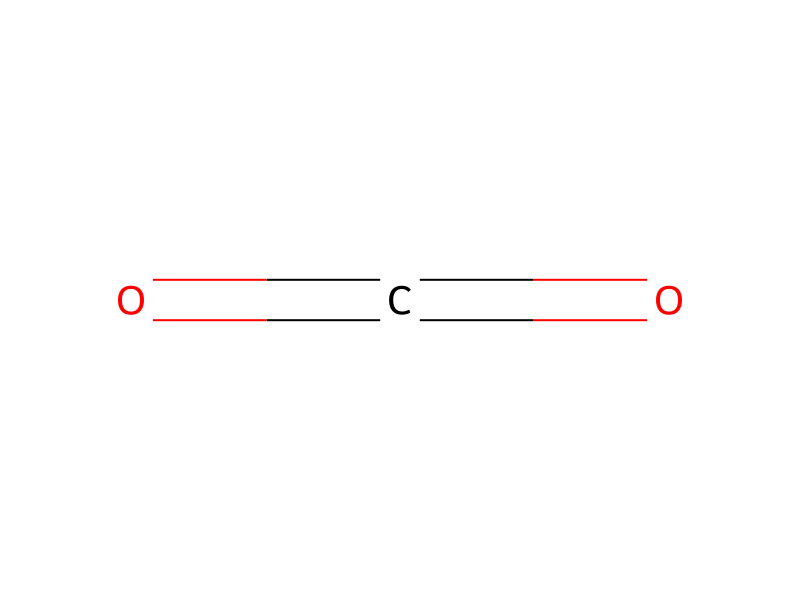
24.8 g (0.20 mol) of 4-hydroxy-6-ethylpyrimidine are dissolved with 16.8 g (0.20 mol) of sodium hydrogen carbonate in 50 ml of water, and 32 g (0.20 mol) of bromine are slowly added dropwise at 8° to 10° C., with cooling. In the course of the addition, carbon dioxide evolves, and the product precipitates in the form of crystals. The product is separated off by extraction with ethyl acetate and crystallises out when the extract is concentrated using a rotary evaporator. There are obtained 22.7 g (55.9% of the theoretical yield) of a first fraction having a melting point of 177°-179° C. Concentration of the mother liquor yields a further 3.5 g (8.6%); m.p. 175°-177° C.