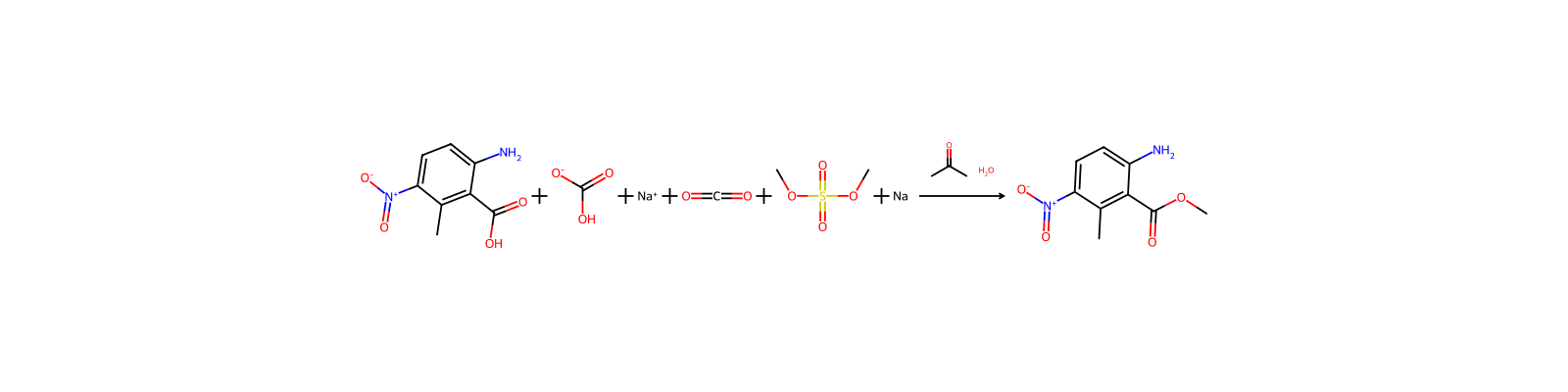

Basic information
- Standard SMILES
O=C([O-])O.[Na+]- InChIKey
UIIMBOGNXHQVGW-UHFFFAOYSA-M- Molecular formula
- CHNaO3
- Average molar mass
- 84.007 g/mol
- Monoisotopic mass
- 83.98233817
Names & identifiers
- Preferred name
- Sodium Bicarbonate
- IUPAC
- sodium hydrogen carbonate
- English name
- Sodium bicarbonate
- Molecular formula
- CH2O3.Na
- Molecular weight
- 85.01
Names & synonyms
SODIUM BICARBONATE144-55-8Sodium hydrogen carbonateBaking sodaSodium hydrogencarbonateSodium acid carbonateBicarbonate of sodaCarbonic acid monosodium saltMonosodium carbonateMeylonNeutCol-evac
Show more names
sodium bicarbonate solutionNaHCOTSQNSodium hydrocarbonateSodium bicarbonate, GR,≥99.8%sodium hydrogencarbonat
NatriumhydrogenkarbonatNaHCO3Sel De vichyNatrum bicarbonicumNatrium bicarbonicumJusoninSoludalNatrii hydrogencarbonas
Database identifiers
- CAS
144-55-8- PubChem CID
- 516892
- DTXSID
DTXSID9021269- ChEMBL
CHEMBL1353- ChEBI
CHEBI:32139- UNII
- 8MDF5V39QO
- EC Number
- 205-633-8
- Nikkaji
- J44.042F
Properties
Computed structural properties
- Topological polar surface area
- 60.4 Ų
- Hydrogen bond donors
- 1
- Hydrogen bond acceptors
- 3
- Rotatable bonds
- 0
- Heavy atoms
- 5
- Formal charge
- 0
- Complexity
- 33
Experimental & physicochemical properties
pH
Between 8,0 and 8,6 (1 % solution)
Freshly prepared 0.1 molar solution at 25 °C: 8.3
OdorOdorless
Taste
Cooling, slightly alkaline taste
Saline and slightly alkaline taste
Density
2.159 (NTP, 1992) - Denser than water; will sink
2.20 g/cu cm
2.1 g/cm³
2.2 @25 °C
Color/Form
White, monoclinic prisms
White crystalline powder or granules
White powder or crystalline lumps
Solubility
1 in 10 % at 77 °F (NTP, 1992)
100000
Soluble in water. Insoluble in ethanol
In water, 10.3 g/100 g water at 25 °C
Soluble in 10 parts water at 25 °C; 12 parts water at about 18 °C
Solubility in water = 6.4, 7.6, 8.7, 10.0, 11.3, 12.7, 14.2, 16.5, and 19.1 g/100g solution at 0, 10, 20, 30, 40, 50, 60, 80, and 100 °C, respectively; Solubility in water = 6.9, 8.2, 9.6, 11.1, 12.7, 14.5, 16.5, 19.7, and 23.6 g/100g H2O at 0, 10, 20, 30, 40, 50, 60, 80, and 100 °C, respectively. Solubility is lower in the presence of sodium carbonate
Decomposition
Hazardous decomposition products formed under fire conditions: Carbon oxides, sodium oxides.
When heated to decomposition it emits acrid smoke, fumes, and carbon dioxide.
Sodium bicarbonate starts decomposing when heated over 50 °C, releasing CO2, H2O and Na2CO3, with total decomposition at 270 °C.
Melting Point
Decomposes at 228 °F (NTP, 1992)
Decomposes around 50 °C
228 °F (decomposes)
Approximately 50 °C
Refractive IndexRefractive indices: 1.380, 1.500, 1.586
Physical Description
Sodium bicarbonate appears as odorless white crystalline powder or lumps. Slightly alkaline (bitter) taste. pH (of freshly prepared 0.1 molar aqueous solution): 8.3 at 77 °F. pH (of saturated solution): 8-9. Non-toxic.
Other Solid; Dry Powder; CBI; Large Crystals; Dry Powder; Other Solid; Liquid; Other Solid; Liquid
Colourless or white crystalline masses or crystalline powder
Odorless, white crystals; [CAMEO]
FINE WHITE CRYSTALLINE POWDER.
Stability/Shelf Life
Stable under recommended storage conditions.
Stable in dry air, but slowly decomposes in moist air
Dissociation Constants6.3
Physicochemical properties
- Melting point
- 300 °C · >300 °C(lit.)
- Boiling point
- 851 °C · 851°C
- Density
- 2.16 g/mL · 2.16 g/mL at 25 °C (lit.)
- bulk density
- 1000 kg/m3 · 1000kg/m3
- refractive index
- 1.5 · 1.500
- storage temp.
- 2 · 2-8°C
- solubility
- 2 O: · H2O: 1 M at 20 °C, clear, colorless
- form
- solution (7.5%)
- color
- White
- Specific Gravity
- 2.159 · 2.159
- PH Range
- 7.8 · 7.8 - 8.2
- PH
- 8.27 · 8.27(1 mM solution);8.22(10 mM solution);8.02(100 mM solution);
- pka
- 1 · (1) 6.37, (2) 10.25 (carbonic (at 25℃)
- Odor
- Odorless
- Water Solubility
- 9 g/100 · 9 g/100 mL (20 ºC)
- Specific Heat Capacity
- 1.03 J/ · Cp(crystal): 1.03 J/(g·K), at 25℃
- Decomposition
- 50 °C · 50 °C
- Merck
- 14 · 14,8583
- BRN
- 4153970 · 4153970
- BCS Class
- 1 · 1
- Stability
- Stable.
- Cosmetics Ingredients Functions
- DEODORANTBUFFERINGABRASIVEORAL CARESKIN PROTECTING
- InChI
- 1S/CH2O3.Na/c2-1(3)4;/h(H2,2,3,4);/q;+1/p-1
- InChIKey
- UIIMBOGNXHQVGW-UHFFFAOYSA-M
- SMILES
- [Na+].OC([O-])=O
- LogP
- -4.01 · -4.010 (est)
- SCOGS (Select Committee on GRAS Substances)
- Sodium bicarbonate
- CAS DataBase Reference
- 144 · 144-55-8(CAS DataBase Reference)
- Substances Added to Food (formerly EAFUS)
- SODIUM BICARBONATE
- FDA 21 CFR
- 173.385 · 173.385; 178.1010
- EWG's Food Scores
- 1 · 1
- FDA UNII
- 8 MDF5V39QO · 8MDF5V39QO
- NCI Drug Dictionary
- sodium bicarbonate
- ATC code
- 5 CB04,B05XA02 · B05CB04,B05XA02
- EPA Substance Registry System
- Sodium bicarbonate (144-55-8)
- Cosmetics Info
- Sodium Bicarbonate
- UNSPSC Code
- 41116107 · 41116107
- NACRES
- 21 · NB.21
- Excreted unchanged in urine
- 1 % · <1%
- Volume of distribution
- Dependent on the physical state of the patient at the time.(L/kg)
- Symbol(GHS)
- 7 · GHS07
- Signal word
- Warning
- Hazard statements
- 319 · H319-H303
- Precautionary statements
- 264 · P264-P280i-P305+P351+P338-P337+P313
- Safety Statements
- 24 · 24/25
- WGK Germany
- 1 · 1
- RTECS
- 950000 · VZ0950000
- TSCA
- TSCA listed
- HS Code
- 28363000 · 28363000
- Storage Class
- 11 · 11 - Combustible Solids
- Hazardous Substances Data
- 144 · 144-55-8(Hazardous Substances Data)
- Toxicity
- 50 orally · LD50 orally in Rabbit: 4220 mg/kg
- REACH Registrations
- Active
Safety & regulation
GHS classification
GHS Classification
This chemical does not meet GHS hazard criteria for 99.4% (6796 of 6838) of all reports.
Not Classified;Reported as not meeting GHS hazard criteria by 6796 of 6838 companies (only 0.6% companies provided GHS information). For more detailed information, please visit ECHA C&L website.
Aggregated GHS information provided per 6838 reports by companies from 9 notifications to the ECHA C&L Inventory.;Reported as not meeting GHS hazard criteria per 6796 of 6838 reports by companies.;There are 5 notifications provided by 42 of 6838 reports by companies with hazard statement code(s).;Information may vary between notifications depending on impurities, additives, and other factors. The percentage value in parenthesis indicates the notified classification ratio from companies that provide hazard codes. Only hazard codes with percentage values above 10% are shown. For more detailed information, please visit ECHA C&L website.
Not Classified
Hazard information
Regulatory Information
Chemical: Carbonic acid, monosodium salt
Regulation (EC) No 1107/2009 (amended)
Carbonic acid sodium salt (1:1) is listed on the EPA's Chemical Data Reporting (CDR) system. Manufacturers and importers of Carbonic acid sodium salt (1:1) are required to report information about their production and use of this chemical to the EPA under the Toxic Substances Control Act (TSCA). (40 eCFR Part 711)
2007/442, 2007/442, Reg. (EU) 2015/2069, Reg. (EU) 2015/2069, Reg. (EU) No 540/2011, Reg. (EU) No 540/2011
Reg. (EU) 2020/1263
Status: Active Update: 09-03-2023 https://echa.europa.eu/registration-dossier/-/registered-dossier/16157
Other Safety InformationIMAP assessments - Carbonic acid, monosodium salt: Environment tier I assessment;IMAP assessments - Carbonic acid, monosodium salt: Human health tier I assessment
Fire Hazards
Literature sources indicate that this chemical is noncombustible. (NTP, 1992)
Not combustible.
Fire PotentialNot combustible.
Health Hazards
SYMPTOMS: Symptoms of exposure to this compound include irritation of the skin, eyes, nose and throat, coughing, chest discomfort and gastrointestinal disturbance. It may cause distention or rupture of the stomach, systemic alkalosis, edema and expansion of extracellular fluid volume. Severe alkalosis may be characterized by hyperirritability and tetany. It can cause cerebral edema leading to death. It may also cause renal injury.;ACUTE/CHRONIC HAZARDS: When heated to decomposition this compound emits toxic fumes of carbon monoxide, carbon dioxide and sodium oxides. (NTP, 1992)
Hazards SummaryA skin and eye irritant; May cause alkalosis if ingested in large amounts; [CAMEO]
FDA Requirements
Substance added directly to human food affirmed as generally recognized as safe (GRAS).
Drug products containing certain active ingredients offered over-the-counter (OTC) for certain uses. A number of active ingredients have been present in OTC drug products for various uses, as described below. However, based on evidence currently available, there are inadequate data to establish general recognition of the safety and effectiveness of these ingredients for the specified uses: sodium bicarbonate is included in digestive aid drug products.
Drug products containing certain active ingredients offered over-the-counter (OTC) for certain uses. A number of active ingredients have been present in OTC drug products for various uses, as described below. However, based on evidence currently available, there are inadequate data to establish general recognition of the safety and effectiveness of these ingredients for the specified uses: sodium bicarbonate is included in weight control drug products.
Sodium bicarbonate used as a general purpose food additive in animal drugs, feeds, and related products is generally recognized as safe when used in accordance with good manufacturing or feeding practice.
The Approved Drug Products with Therapeutic Equivalence Evaluations identifies currently marketed prescription drug products, including sodium bicarbonate, approved on the basis of safety and effectiveness by FDA under sections 505 of the Federal Food, Drug, and Cosmetic Act.
Reactive GroupCarbonate Salts
Special Reports
OECD; Screening Information Data Set (SIDS) Inital Assessment Report for SIDS Initial Assessment Meeting (SIAM) 15, Sodium bicarbonate (CAS 144-55-8) 130 pp (July 2003).[Available from, as of October 18, 2017: http://www.inchem.org/pages/sids.html]
EPA Safer ChemicalChemical: Sodium bicarbonate; Green circle - The chemical has been verified to be of low concern based on experimental and modeled data.
FIFRA Requirements
Unless specifically excluded, residues resulting from the use of the following substances as either an inert or an active ingredient in a pesticide chemical formulation, including antimicrobial pesticide chemicals, are exempted from the requirement of a tolerance under FFDCA section 408, if such use is in accordance with good agricultural or manufacturing practices. Sodium bicarbonate is included on this list.
The biochemical pesticide sodium bicarbonate is exempted from the requirement of a tolerance in or on all raw agricultural commodities when applied as a fungicide or post-harvest fungicide in accordance with good agricultural practices.
As the federal pesticide law FIFRA directs, EPA is conducting a comprehensive review of older pesticides to consider their health and environmental effects and make decisions about their continued use. Under this pesticide reregistration program, EPA examines newer health and safety data for pesticide active ingredients initially registered before November 1, 1984, and determines whether the use of the pesticide does not pose unreasonable risk in accordance to newer safety standards, such as those described in the Food Quality Protection Act of 1996. Pesticides for which EPA had not issued Registration Standards prior to the effective date of FIFRA '88 were divided into three lists based upon their potential for human exposure and other factors, with List B containing pesticides of greater concern than those on List C, and with List C containing pesticides of greater concern than those on List D. Sodium bicarbonate is found on List D. Case No: 4048; Pesticide type: Fungicide, Antimicrobial; Case Status: None of the active ingredients in the case are being supported for reregistration by their registrants. All are unsupported, or some are unsupported and some are canceled. Cases described as "unsupported" generally are being processed for cancelation.; Active ingredient (AI): Sodium bicarbonate; AI Status: Registrants of the pesticide have not made or honored a commitment to seek reregistration, conduct the necessary studies, or pay the requisite fees, or they have asked EPA to cancel their product registrations. Unless some other interested party supports them, products containing the pesticide will be canceled.
Reactivity Profile
SODIUM BICARBONATE reacts exothermically with acids to generate non-toxic carbon dioxide gas. Decomposes when heated. Incompatible with acids, acidic salts (dopamine hydrochloride, pentazocine lactate, many alkaloidal salts) aspirin and bismuth salicylate.
Safety & protection
Fire Fighting
Fires involving this material can be controlled with a dry chemical, carbon dioxide or Halon extinguisher. A water spray may also be used. (NTP, 1992)
In case of fire in the surroundings, use appropriate extinguishing media.
First Aid Measures
Fresh air.
Rinse with plenty of water (remove contact lenses if easily possible).
Give one or two glasses of water to drink.
First Aid
EYES: First check the victim for contact lenses and remove if present. Flush victim's eyes with water or normal saline solution for 20 to 30 minutes while simultaneously calling a hospital or poison control center. Do not put any ointments, oils, or medication in the victim's eyes without specific instructions from a physician. IMMEDIATELY transport the victim after flushing eyes to a hospital even if no symptoms (such as redness or irritation) develop.;SKIN: IMMEDIATELY flood affected skin with water while removing and isolating all contaminated clothing. Gently wash all affected skin areas thoroughly with soap and water. If symptoms such as redness or irritation develop, IMMEDIATELY call a physician and be prepared to transport the victim to a hospital for treatment.;INHALATION: IMMEDIATELY leave the contaminated area; take deep breaths of fresh air. If symptoms (such as wheezing, coughing, shortness of breath, or burning in the mouth, throat, or chest) develop, call a physician and be prepared to transport the victim to a hospital. Provide proper respiratory protection to rescuers entering an unknown atmosphere. Whenever possible, Self-Contained Breathing Apparatus (SCBA) should be used; if not available, use a level of protection greater than or equal to that advised under Protective Clothing.;INGESTION: If the victim is conscious and not convulsing, give 1 or 2 glasses of water to dilute the chemical and IMMEDIATELY call a hospital or poison control center. Be prepared to transport the victim to a hospital if advised by a physician. If the victim is convulsing or unconscious, do not give anything by mouth, ensure that the victim's airway is open and lay the victim on his/her side with the head lower than the body. DO NOT INDUCE VOMITING. IMMEDIATELY transport the victim to a hospital. (NTP, 1992)
Safe StorageSeparated from incompatible materials. See Chemical Dangers.
Fire Fighting Procedures
Suitable extinguishing media: Use water spray, alcohol-resistant foam, dry chemical or carbon dioxide.
Advice for firefighters: Wear self-contained breathing apparatus for firefighting if necessary.
In case of fire in the surroundings: use appropriate extinguishing media.
Storage Conditions
Keep container tightly closed in a dry and well-ventilated place. Keep in a dry place.
Sodium bicarbonate tablets and effervescent tablets should be stored in tightly closed containers at a temperature less than 40 °C, preferably between 15-30 °C. Sodium bicarbonate injection should be stored at a temperature less than 40 °C, preferably between 15-30 °C; freezing should be avoided.
/Stored/ separated from acids.
Cleanup Methods
ACCIDENTAL RELEASE MEASURES: Personal precautions, protective equipment and emergency procedures Avoid dust formation. Avoid breathing vapors, mist or gas. Environmental precautions: No special environmental precautions required. Methods and materials for containment and cleaning up: Sweep up and shovel. Keep in suitable, closed containers for disposal.
Sweep spilled substance into containers; if appropriate, moisten first to prevent dusting. Wash away remainder with plenty of water.
Nonfire Spill Response
SMALL SPILLS AND LEAKAGE: If you spill this chemical, you should dampen the solid spill material with water, then transfer the dampened material to a suitable container. Use absorbent paper dampened with water to pick up any remaining material. Seal your contaminated clothing and the absorbent paper in a vapor-tight plastic bag for eventual disposal. Wash all contaminated surfaces with a soap and water solution. Do not reenter the contaminated area until the Safety Officer (or other responsible person) has verified that the area has been properly cleaned.;STORAGE PRECAUTIONS: You should store this chemical under refrigerated temperatures, and protect it from moisture. If possible, it would be prudent to store this compound under inert atmosphere. (NTP, 1992)
Disposal Methods
SRP: Recycle any unused portion of the material for its approved use or return it to the manufacturer or supplier. Ultimate disposal of the chemical must consider: the material's impact on air quality; potential migration in air, soil or water; effects on animal, aquatic and plant life; and conformance with environmental and public health regulations. If it is possible or reasonable use an alternative chemical product with less inherent propensity for occupational harm/injury/toxicity or environmental contamination.
Product: Offer surplus and non-recyclable solutions to a licensed disposal company. Contaminated packaging: Dispose of as unused product.
Spillage DisposalSweep spilled substance into covered containers. If appropriate, moisten first to prevent dusting. Wash away remainder with plenty of water.
Preventive Measures
ACCIDENTAL RELEASE MEASURES: Personal precautions, protective equipment and emergency procedures Avoid dust formation. Avoid breathing vapors, mist or gas. Environmental precautions: No special environmental precautions required.
Precautions for safe handling: Further processing of solid materials may result in the formation of combustible dusts. The potential for combustible dust formation should be taken into consideration before additional processing occurs. Provide appropriate exhaust ventilation at places where dust is formed.
Appropriate engineering controls: General industrial hygiene practice.
Gloves must be inspected prior to use. Use proper glove removal technique (without touching glove's outer surface) to avoid skin contact with this product. Dispose of contaminated gloves after use in accordance with applicable laws and good laboratory practices. Wash and dry hands.
SRP: Local exhaust ventilation should be applied wherever there is an incidence of point source emissions or dispersion of regulated contaminants in the work area. Ventilation control of the contaminant as close to its point of generation is both the most economical and safest method to minimize personnel exposure to airborne contaminants. Ensure that the local ventilation moves the contaminant away from the worker.
Eye PreventionWear safety spectacles.
Toxicology
Interactions
Concurrent use /of citrates/ with sodium bicarbonate may promote the development of calcium stones in patients with uric acid stones, due to sodium ion opposition to the hypocalciuric effect of the alkaline load; may also cause hypernatremia.
Chronic administration of bicarbonate with milk or calcium may cause the milk-alkali syndrome which is characterized by hypercalcemia, renal insufficiency, metabolic alkalosis, nausea, vomiting, headache, mental confusion, and anorexia. During the acute phase of the milk-alkali syndrome, the condition is reversible when the calcium and alkali are withdrawn. However, in patients with chronic milk-alkali syndrome, reduced renal function may persist even after calcium and alkali are discontinued. Patients with a salt-losing nephropathy have an increased risk of developing the milk-alkali syndrome.
Concurrent use /of anticholinergics or other medications with anticholinergic action/ with sodium bicarbonate may decrease absorption, reducing the effectiveness of the anticholinergic; doses of these medications should be spaced 1 hour apart from doses of sodium bicarbonate; also, urinary excretion may be delayed by alkalinization of the urine, thus potentiating the side effects of the anticholinergic
Antacids may alkalinize the urine and counteract the effect of urinary acidifiers /such as ammonium chloride, ascorbic acid and potassium or sodium phosphates/; frequent use of antacids, especially in high doses, is best avoided by patients receiving therapy to acidify the urine.
For more Interactions (Complete) data for Sodium bicarbonate (17 total), please visit the HSDB record page.
Ecotoxicity Values
LC50; Species: Gambusia affinis (Western mosquitofish) adult; Conditions: freshwater, static, 20-22 °C, pH 7.3-9.2; Concentration: 7700000 ug/L for 24 hr /formulation/
LC50; Species: Gambusia affinis (Western mosquitofish) adult; Conditions: freshwater, static, 20-22 °C, pH 7.3-9.2; Concentration: 7550000 ug/L for 48-96 hr /formulation/
EC50; Species: Skeletonema costatum (Diatom) 1.25X10+7 cells/mL; Conditions: saltwater, static, 20 °C, pH 5.73-8.45; Concentration: 52000 ug/L for 4 hr; Effect: physiology, decreased photosynthesis
LC50; Species: Lepomis macrochirus (Bluegill); Conditions: freshwater, static, 18 °C, dissolved oxygen 5-9 mg/L; Concentration: 8600000 ug/L for 96 hr
For more Ecotoxicity Values (Complete) data for Sodium bicarbonate (17 total), please visit the HSDB record page.
Adverse Effects
Sodium bicarbonate can result in a multitude of adverse effects, including:;* Metabolic alkalosis;* Headache;* Muscle pain and twitching;* Nausea or vomiting;* Bradypnea;* Nervousness or restlessness;* Unpleasant taste;* Increased frequency of urination;* Tissue damage/necrosis secondary to extravasation;Administration and extravasation of sodium bicarbonate have been known to cause chemical cellulitis due to its basic properties and have resulted in tissue necrosis, ischemia, and tissue death at administration sites.;In significant dose administrations, it is known to increase edema and is more commonly noted in those with renal insufficiency, given its clearance via the kidneys. This increase in tissue edema appears to be due to an excess hyperosmolar state developed during the administration of sodium bicarbonate, resulting in fluid retention. This condition can be especially challenging to manage in those with underlying cardiovascular comorbidities, including those with heart failure and intravascular fluid management difficulties.;Drug-Drug Interactions;Certain IV additives may be incompatible; norepinephrine and dobutamine are incompatible with sodium bicarbonate solution.;The addition of sodium bicarbonate to parenteral solutions containing calcium should be avoided, except in instances where compatibility has already been established. Sodium bicarbonate/calcium admixtures may result in precipitation or hazing. The injection should not be used if precipitate is present.;Due to its ability to buffer pH and influence acid-base shifts, sodium bicarbonate can also affect many drug-drug interactions, including fluoroquinolones such as levofloxacin and tetracyclines such as doxycycline and minocycline. These effects are often noted in oral preparations where both medications are taken orally and result in significantly decreased GI absorption due to compound structural alterations due to changes in pH in the GI lumen, such as NSAIDs, mesalamine, and also with extended-release formulations (eg, methylphenidate).;Other interactions are due to the effects of sodium bicarbonate on increasing renal tubular pH, thereby increasing passive tubular reabsorption and increasing serum levels of medications such as dextroamphetamine and methamphetamine.
Exposure RoutesThe substance can be absorbed into the body by ingestion.
Toxicity Summary
Safe in the present practices of use and concentration. Ingredient, concentration, and use information are available in documents discoverable at https://cir-reports.cir-safety.org
IDENTIFICATION AND USE: Sodium bicarbonate is a white crystalline powder or granules. It is used in manufacturing many sodium salts, as a source of carbon dioxide, ingredient of baking powder, and effervescent salts and beverages, in fire extinguishers, cleaning compounds. It is also used in analytical chemistry for pH adjustment. It is used in aquaculture as an anesthetic for fish in the United States. Sodium bicarbonate is used in the treatment of metabolic acidosis associated with many conditions. It is also used in veterinary medicine. HUMAN STUDIES: Risks of acute and chronic oral bicarbonate ingestion include metabolic alkalosis, hypernatremia, hypertension, gastric rupture, hyporeninemia, hypokalemia, hypochloremia, intravascular volume depletion, and urinary alkalinization. Abrupt cessation of chronic excessive bicarbonate ingestion may result in hyperkalemia, hypoaldosteronism, volume contraction, and disruption of calcium and phosphorus metabolism. The anticoagulant effects of sodium bicarbonate was investigated in fresh human whole blood obtained from normal healthy volunteers. Prothrombin and thrombin clotting time determination indicated that bicarbonate can interfere with the clotting process. ANIMAL STUDIES: Sodium bicarbonate was irritating to the rabbit eye. It was slightly irritating when tested on the skin of rabbits. Sodium bicarbonate was evaluated for teratological effects, maximum dose levels were as follows: mice, 580 mg/kg; rats, 340 mg/kg; and rabbits, 330 mg/kg. No effects were found in any of these species. The mutagenicity of sodium bicarbonate was assessed in Salmonella/microsome assays using Salmonella typhimurium strains TA 92, TA 94, TA 98, TA 100, TA 1535 and TA 1537 with metabolic activation, and it was negative. ECOTOXICITY STUDIES: Several histological anomalies, including increased incidence of necrotic cells, suggested that fish were adversely affected as a result of exposure to >450 mg NaHCO3/L.
Rapid administration of sodium bicarbonate may increase intravascular fluid volume, leading to acute pulmonary edema. Additionally, the medication must be administered judiciously in those with congestive heart failure, significant renal disease, or sodium retention due to exacerbation of sodium retention and edema.;Sodium bicarbonate administration in a rapid infusion or as large boluses can result in acute metabolic alkalosis, reducing serum ionized calcium. This acute shift in ionized calcium can result in tetany. The accompanying alkalosis is treatable with ammonium chloride. Hypocalcemia may be addressed with calcium gluconate. An addition of 0.9% NS infusion and potassium supplementation may also be indicated.
Ecotoxicity Excerpts
/AQUATIC SPECIES/ Some tributaries in the Powder River Structural Basin, USA /southeast Montana and northeast Wyoming/, were historically ephemeral, but now contain water year round as a result of discharge of coalbed natural gas (CBNG)-produced waters. This presented the opportunity to study field sites with 100% effluent water with elevated concentrations of sodium bicarbonate. In situ experiments, static renewal experiments performed simultaneously with in situ experiments, and static renewal experiments performed with site water in the laboratory demonstrated that CBNG-produced water reduces survival of fathead minnow (Pimephales promelas) and pallid sturgeon (Scaphirhynchus albus). Age affected survival of fathead minnow, where fish 2 days posthatch (dph) were more sensitive than 6 dph fish, but pallid sturgeon survival was adversely affected at both 4 and 6 dph. This may have implications for acute assays that allow for the use of fish up to 14 dph. The survival of early lifestage fish is reduced significantly in the field when concentrations of NaHCO(3) rise to more than 1500 mg/L (also expressed as >1245 mg HCO(3)/L). Treatment with the Higgin's Loop technology and dilution of untreated water increased survival in the laboratory. The mixing zones of the 3 outfalls studied ranged from approximately 800 m to 1200 m below the confluence. These experiments addressed the acute toxicity of effluent waters but did not address issues related to the volumes of water that may be added to the watershed.
/AQUATIC SPECIES/ Sodium bicarbonate (NaHCO3) is the principal salt in coal bed natural gas produced water from the Powder River Structural Basin, Wyoming, USA, and concentrations of up to 3000 mg NaHCO3/L have been documented at some locations. No adequate studies have been performed to assess the chronic effects of NaHCO3 exposure. The present study was initiated to investigate the chronic toxicity and define sublethal effects at the individual organism level to explain the mechanisms of NaHCO3 toxicity. Three chronic experiments were completed with fathead minnows (Pimephales promelas), 1 with white suckers (Catostomus commersoni), 1 with Ceriodaphnia dubia, and 1 with a freshwater mussel, (Lampsilis siliquoidea). The data demonstrated that approximately 500 mg NaHCO3/L to 1000 mg NaHCO3/L affected all species of experimental aquatic animals in chronic exposure conditions. Freshwater mussels were the least sensitive to NaHCO3 exposure, with a 10-day inhibition concentration that affects 20% of the sample population (IC20) of 952 mg NaHCO3/L. The IC20 for C. dubia was the smallest, at 359 mg NaHCO3/L. A significant decrease in sodium-potassium adenosine triphosphatase (Na(+)/K(+) ATPase) together with the lack of growth effects suggests that Na(+)/K(+) ATPase activity was shut down before the onset of death. Several histological anomalies, including increased incidence of necrotic cells, suggested that fish were adversely affected as a result of exposure to >450 mg NaHCO3/L.
/AQUATIC SPECIES/ Water produced during coal bed natural gas (CBNG) extraction in the Powder River Structural Basin of Wyoming and Montana (USA) may contain concentrations of sodium bicarbonate (NaHCO3) of more than 3000 mg/L. The authors evaluated the acute toxicity of NaHCO3, also expressed as bicarbonate (HCO3(-)), to 13 aquatic organisms. Of the 13 species tested, 7 had a median lethal concentration (LC50) less than 2000 mg/L NaHCO3, or 1300 mg/L HCO3(-). The most sensitive species were Ceriodaphnia dubia, freshwater mussels (Lampsilis siliquoidea), pallid sturgeon (Scaphirhynchus albus), and shovelnose sturgeon (Scaphirhynchus platorynchus). The respective LC50s were 989 mg/L, 1120 mg/L, 1249 mg/L, and 1430 mg/L NaHCO3, or 699 mg/L, 844 mg/L, 831 mg/L, and 1038 mg/L HCO3(-). Age affected the sensitivity of fathead minnows, even within life stage. Two days posthatch, fathead minnows were more sensitive to NaHCO3 and HCO3(-) compared with 4-day-old fish, even though fish up to 14 days old are commonly used for toxicity evaluations. The authors recommend that ion toxicity exposures be conducted with organisms less than 24 hr posthatch to ensure that experiments document the most sensitive stage of development. The results of the present study, along with historical and current research regarding the toxicity of bicarbonate, may be useful to establish regulatory standards for HCO3(-).
/AQUATIC SPECIES/ ... Increased NaHCO3 added to Ceriodaphnia dubia in synthetic or natural water gave similar 48-hr 10% effective concentration (EC10) values of 1750 + or -125 mg NaHCO3/L (mean+ or -standard error) and 1670+ or -180 mg NaHCO3/L, respectively. Bicarbonate was toxic to C. dubia in both waters with conductivities above 1900 uS/cm. In contrast, when conductivity was elevated with NaCl, toxicity to C. dubia was observed only above 2800 uS/cm. Bicarbonate also impaired C. dubia reproduction with an EC10 of 340 mg NaHCO3/L. Major ion composition also influenced Zn bioavailability, a common co-occurring metal contaminant in coal mine waters, with sublethal concentrations of NaHCO3 and elevated pH increasing Zn toxicity. Higher pH was the dominant parameter determining a 10-fold increase in the 48-hr 50% effective concentration (EC50) for Zn toxicity to C. dubia at pH 8.6 of 34 ug Zn/L (95% confidence limit= 32-37 ug Zn/L) compared with the Zn toxicity at approximately circumneutral pH. Exposure of the freshwater shrimp Paratya australiensis (Atyidae) in natural water to increasing bicarbonate gave a mean 10-d 10% lethal concentration (LC10) of 850+ or -115 mg NaHCO3/L, associated with a mean conductivity EC10 of 1145 uS/cm, which is considerably lower than toxicity of NaCl and artificial seawater to this species reported elsewhere. Because toxicity was influenced by salt composition, specific ions should be regulated rather than conductivity alone in mine wastewater discharges.
Signs and Symptoms
Cough.
Redness.
No acute symptoms expected.
ICSC Environmental DataEnvironmental effects of the substance have been adequately investigated, but no significant effects have been found.
Natural Pollution Sources
... nahcolite ... the mineral form of pure sodium bicarbonate. ...
Sodium bicarbonate for eggshell formation in birds is produced by the activity of the enzyme carbonic anhydrase(13).
Human Toxicity Excerpts
/HUMAN EXPOSURE STUDIES/ Oral ingestion of sodium bicarbonate (bicarbonate loading) has acute ergogenic effects on short-duration, high-intensity exercise. Because sodium bicarbonate is 27% sodium, ergogenic doses (ie, 300 mg/kg) result in sodium intakes well above the Dietary Reference Intakes upper limit of 2300 mg/day. Therefore, it is conceivable that bicarbonate loading could have hypertensive effects. Therefore, we performed a double-blind crossover trial to evaluate the hypothesis that bicarbonate loading increases resting and exercise blood pressure (BP). A secondary hypothesis was that bicarbonate loading causes gastrointestinal distress. Eleven endurance-trained men and women (exercise frequency, 4.6 +/- 0.4 sessions/wk; duration, 65 +/- 6 min/session) underwent testing on two occasions in random sequence: once after bicarbonate loading (300 mg/kg) and once after placebo ingestion. BP and heart rate were measured before bicarbonate or placebo consumption, 30 minutes after consumption, during 20 min of steady state submaximal cycling exercise, and during recovery. Bicarbonate loading did not affect systolic BP during rest, exercise, or recovery (P = 0.38 for main treatment effect). However, it resulted in modestly higher diastolic BP (main treatment effect, +3.3 +/- 1.1 mmHg, P = 0.01) and higher heart rate (main treatment effect, +10.1 +/- 2.4 beats per minute, P = 0.002). Global ratings of gastrointestinal distress severity (0-10 scale) were greater after bicarbonate ingestion (5.1 +/- 0.5 vs 0.5 +/- 0.2, P < 0.0001). Furthermore, 10 of the 11 subjects (91%) experienced diarrhea, 64% experience bloating and thirst, and 45% experienced nausea after bicarbonate loading. In conclusion, although a single, ergogenic dose of sodium bicarbonate does not appear to have acute, clinically important effects on resting or exercise BP, it does cause substantial gastrointestinal distress.
/SIGNS AND SYMPTOMS/ In neutralizing gastric acid, distention and possible damage or rupture of the stomach may occur from carbon dioxide release.
/SIGNS AND SYMPTOMS/ Sodium bicarbonate is an extremely well-known agent that historically has been used for a variety of medical conditions. Despite the widespread use of oral bicarbonate, little documented toxicity has occurred, and the emergency medicine literature contains no reports of toxicity caused by the ingestion of baking soda. Risks of acute and chronic oral bicarbonate ingestion include metabolic alkalosis, hypernatremia, hypertension, gastric rupture, hyporeninemia, hypokalemia, hypochloremia, intravascular volume depletion, and urinary alkalinization. Abrupt cessation of chronic excessive bicarbonate ingestion may result in hyperkalemia, hypoaldosteronism, volume contraction, and disruption of calcium and phosphorus metabolism.
/SIGNS AND SYMPTOMS/ ... When large doses of sodium bicarbonate and calcium carbonate were administered with milk or cream for the management of peptic ulcer, the milk-alkali syndrome occurred frequently. This syndrome ... results from large quantities of Ca+2 taken with milk. Patients may be asymptomatic or may present with the insidious onset of hypercalcemia, reduced secretion of parathyroid hormone, retention of phosphate, precipitation of Ca+2 salts in the kidney, and renal insufficiency.
For more Human Toxicity Excerpts (Complete) data for Sodium bicarbonate (9 total), please visit the HSDB record page.
Drug Induced Liver Injury
Drug Induced Liver Injury Rank (DILIrank 2.0)
Sodium bicarbonate
vNo-DILI-concern
0
No match
DOI:10.1016/j.drudis.2016.02.015
Non-Human Toxicity Excerpts
/LABORATORY ANIMALS: Acute Exposure/ The skin irritation potential of sodium bicarbonate was examined ... . ... 0.5 g of moistened test substance was applied to clipped skin /of 3 male and 3 female New Zealand albino rabbits/ and covered by a semi-occlusive patch. After four hours, the exposed area was wiped clean. The average erythema score one hour after exposure terminated, was 0.7, and 0.2 after 24 hr. The average edema score was 0.2 one hour after exposure termination. All effects had reversed by day 2, and the authors classified the substance as slightly irritating, based on the Primary Dermal Irritation Index of 0.3.
/LABORATORY ANIMALS: Acute Exposure/ ... 0.1 g sodium bicarbonate was instilled into the right eye of 9 New Zealand albino rabbits. The eyes of 3 animals were irrigated with 30 mL of physiological saline 20-30 seconds after installation, while the eyes of the remaining six rabbits were not irrigated. Ocular lesions were evaluated at 1, 24, 48 and 72 hr and 4 days post-installation. The results showed that 3/3 rabbits with unwashed eyes and 2/3 with washed eyes had conjunctivitis for at least 48 hours. The ocular irritation cleared from washed and unwashed eyes by days 3 and 4, respectively. The 24-hour Maximum Mean Total Score (MMTS) for washed eyes was 2.0 (practically non-irritating) and for unwashed eyes 8.3 (minimally irritating). .../In another study,/ the sensitivity of New Zealand albino rabbits to sodium bicarbonate was tested to assess the influence of alkalinity in ocular injury. An amount of 0.1 mL solid NaHCO3 (weight unknown) was applied to the right eye of 2 groups of 6 rabbits each. The eyes of the animals in one group were not rinsed after treatment; in the other group, the treated eye was washed 30 sec after instillation for a total of 2 minutes with 300 mL of tap water. For all animals the left eye served as control. The rabbits were observed for lesions, which were graded at 1 hr and day 1, 2, 3 and 7 after instillation. NaHCO3 produced conjunctivitis that lasted until day 7 in all animals tested. Irrigation did not result in less lesions, indicating that alkalinity is only one of several factors causing ocular damage. The authors conclude, according to their own scoring system based on the methodology of Draize, that NaHCO3 is irritating to the rabbit eye.
/LABORATORY ANIMALS: Acute Exposure/ A total number of 5 male and 5 female Sprague-Dawley rats were exposed whole-body by inhalation for 4.5 hr to sodium bicarbonate. The measured (gravimetric) chamber concentration was 4.74 +/- 1.03 mg/L, and particle size MMAD 2.8 um (2.7 +/- 1.77 and 2.9 +/- 2.04 um). There was no mortality. During the first hour of exposure, reduced movement and hunched posture was noted for most animals. Test substance was observed on the fur within the second day after exposure, ocular and/or nasal discharge was observed in 6/10 rats. All the animals were apparently healthy from day 2 or 3, and gained body weight during the observation period. There were no remarkable findings during necropsy.
/LABORATORY ANIMALS: Acute Exposure/ Crl:CD BR rats received sodium bicarbonate by gavage, females at levels of 3,000, 3,500 and 4,000 mg/kg bw, and males at levels of 3,000, 4,000 for 4,500 mg/kg bw. One female administered 4,000 mg/kg bw died during the first day, the necropsy revealed only a red eroded area in the glandular mucosa of the stomach. The few animals with clinical signs of toxicity (soft stool, hypoactivity and staining of the urogenital area) showed no adverse clinical signs from day 2 forward. Necropsy did not reveal any substance-specific effects.
For more Non-Human Toxicity Excerpts (Complete) data for Sodium bicarbonate (16 total), please visit the HSDB record page.
Regulatory information
Regulatory Information
Chemical: Carbonic acid, monosodium salt
Regulation (EC) No 1107/2009 (amended)
Carbonic acid sodium salt (1:1) is listed on the EPA's Chemical Data Reporting (CDR) system. Manufacturers and importers of Carbonic acid sodium salt (1:1) are required to report information about their production and use of this chemical to the EPA under the Toxic Substances Control Act (TSCA). (40 eCFR Part 711)
2007/442, 2007/442, Reg. (EU) 2015/2069, Reg. (EU) 2015/2069, Reg. (EU) No 540/2011, Reg. (EU) No 540/2011
Reg. (EU) 2020/1263
Status: Active Update: 09-03-2023 https://echa.europa.eu/registration-dossier/-/registered-dossier/16157
FDA Requirements
Substance added directly to human food affirmed as generally recognized as safe (GRAS).
Drug products containing certain active ingredients offered over-the-counter (OTC) for certain uses. A number of active ingredients have been present in OTC drug products for various uses, as described below. However, based on evidence currently available, there are inadequate data to establish general recognition of the safety and effectiveness of these ingredients for the specified uses: sodium bicarbonate is included in digestive aid drug products.
Drug products containing certain active ingredients offered over-the-counter (OTC) for certain uses. A number of active ingredients have been present in OTC drug products for various uses, as described below. However, based on evidence currently available, there are inadequate data to establish general recognition of the safety and effectiveness of these ingredients for the specified uses: sodium bicarbonate is included in weight control drug products.
Sodium bicarbonate used as a general purpose food additive in animal drugs, feeds, and related products is generally recognized as safe when used in accordance with good manufacturing or feeding practice.
The Approved Drug Products with Therapeutic Equivalence Evaluations identifies currently marketed prescription drug products, including sodium bicarbonate, approved on the basis of safety and effectiveness by FDA under sections 505 of the Federal Food, Drug, and Cosmetic Act.
FIFRA Requirements
Unless specifically excluded, residues resulting from the use of the following substances as either an inert or an active ingredient in a pesticide chemical formulation, including antimicrobial pesticide chemicals, are exempted from the requirement of a tolerance under FFDCA section 408, if such use is in accordance with good agricultural or manufacturing practices. Sodium bicarbonate is included on this list.
The biochemical pesticide sodium bicarbonate is exempted from the requirement of a tolerance in or on all raw agricultural commodities when applied as a fungicide or post-harvest fungicide in accordance with good agricultural practices.
As the federal pesticide law FIFRA directs, EPA is conducting a comprehensive review of older pesticides to consider their health and environmental effects and make decisions about their continued use. Under this pesticide reregistration program, EPA examines newer health and safety data for pesticide active ingredients initially registered before November 1, 1984, and determines whether the use of the pesticide does not pose unreasonable risk in accordance to newer safety standards, such as those described in the Food Quality Protection Act of 1996. Pesticides for which EPA had not issued Registration Standards prior to the effective date of FIFRA '88 were divided into three lists based upon their potential for human exposure and other factors, with List B containing pesticides of greater concern than those on List C, and with List C containing pesticides of greater concern than those on List D. Sodium bicarbonate is found on List D. Case No: 4048; Pesticide type: Fungicide, Antimicrobial; Case Status: None of the active ingredients in the case are being supported for reregistration by their registrants. All are unsupported, or some are unsupported and some are canceled. Cases described as "unsupported" generally are being processed for cancelation.; Active ingredient (AI): Sodium bicarbonate; AI Status: Registrants of the pesticide have not made or honored a commitment to seek reregistration, conduct the necessary studies, or pay the requisite fees, or they have asked EPA to cancel their product registrations. Unless some other interested party supports them, products containing the pesticide will be canceled.
Safety data
- wgk
- 1
- tsca
- TSCA listed
- rtecs
- VZ0950000
- hs_code
- 28363000
- Toxicity
- LD50 orally in Rabbit: 4220 mg/kg
- Signal word
- Warning
- Symbol(GHS)
- GHS07
- safety_code
- 24/25
- Storage Class
- 11 - Combustible Solids
- Hazard statements
- H319-H303
- REACH Registrations
- Active
- Precautionary statements
- P264-P280i-P305+P351+P338-P337+P313
- Hazardous Substances Data
- 144-55-8(Hazardous Substances Data)
Chemistry & industry
Pharmacology
ATC Code
B - Blood and blood forming organs;B05 - Blood substitutes and perfusion solutions;B05C - Irrigating solutions;B05CB - Salt solutions;B05CB04 - Sodium bicarbonate
B - Blood and blood forming organs;B05 - Blood substitutes and perfusion solutions;B05X - I.v. solution additives;B05XA - Electrolyte solutions;B05XA02 - Sodium bicarbonate
QB - Blood and blood forming organs;QB05 - Blood substitutes and perfusion solutions;QB05X - I.v. solution additives;QB05XA - Electrolyte solutions;QB05XA02 - Sodium bicarbonate
QB - Blood and blood forming organs;QB05 - Blood substitutes and perfusion solutions;QB05C - Irrigating solutions;QB05CB - Salt solutions;QB05CB04 - Sodium bicarbonate
QG - Genito urinary system and sex hormones;QG04 - Urologicals;QG04B - Urologicals;QG04BQ - Urinary alkalizers;QG04BQ01 - Sodium bicarbonate
B05XA02
PharmacodynamicsIntravenous sodium bicarbonate therapy increases plasma bicarbonate, buffers excess hydrogen ion concentration, raises blood pH and reverses the clinical manifestations of acidosis.
Mechanism of Action
Sodium bicarbonate is a systemic alkalizer, which increases plasma bicarbonate, buffers excess hydrogen ion concentration, and raises blood pH, thereby reversing the clinical manifestations of acidosis. It is also a urinary alkalizer, increasing the excretion of free bicarbonate ions in the urine, thus effectively raising the urinary pH. By maintaining an alkaline urine, the actual dissolution of uric acid stones may be accomplished. Sodium bicarbonate acts as an antacid and reacts chemically to neutralize or buffer existing quantities of stomach acid but has no direct effect on its output. This action results in increased pH value of stomach contents, thus providing relief of hyperacidity symptoms. [PharmGKB]
Metabolism/Metabolites
Excessive use can cause systemic alkalosis /in animals/, but body usually splits bicarbonate radical into water and carbon dioxide ...
Sodium bicarbonate rapidly reacts with hydrochloric acid to form sodium chloride, carbon dioxide, and water; excess bicarbonate that does not neutralize gastric acid rapidly empties into the small intestine and is absorbed.
FDA Pharmacological Classification
HEMODIALYSIS GRADE SODIUM BICARBONATE SOLUTION
Alkalinizing Activity [MoA]
INFANT 4.2% SODIUM BICARBONATE
Alkalinizing Activity [MoA]
SODIUM BICARBONATE
Increased Large Intestinal Motility [PE]; Alkalinizing Activity [MoA]; Osmotic Laxative [EPC]; Inhibition Large Intestine Fluid/Electrolyte Absorption [PE]; Osmotic Activity [MoA]
Absorption, Distribution and Excretion
Elimination: Renal; carbon dioxide formed is eliminated via lungs.
Excess sodium bicarbonate is emptied rapidly into small intestine where it is absorbed.
It is eliminated principally in the urine and effectively alkalizes it. ... /It/ is completely absorbed orally and usually is excreted within 3-4 hr.
Oral: Onset of action: Rapid; Duration: 8-10 minutes. I.V: Onset of action: 15 minutes; duration: 1-2 hours.
For more Absorption, Distribution and Excretion (Complete) data for Sodium bicarbonate (8 total), please visit the HSDB record page.
Uses & manufacturing
Uses
CIR ingredient: Sodium Bicarbonate
Used in baking powder and other food additives; Used in soaps, detergents, mouthwashes, antacids, pharmaceuticals, cosmetics; fire extinguishers, animal feed additives, and in the production of many other chemicals; Also used in leather tanning and paper production; [CHEMINFO]
Pulp and Paper Processing [Category: Industry];Leather Tanning and Processing [Category: Industry];Farming (Feed Additives) [Category: Industry]
For sodium bicarbonate (USEPA/OPP Pesticide Code: 073505) there are 0 labels match. /SRP: Not registered for current use in the U.S., but approved pesticide uses may change periodically and so federal, state and local authorities must be consulted for currently approved uses./
Manufacturing many sodium salts; source of carbon dioxide; ingredient of baking powder, effervescent salts and beverages; in fire extinguishers, cleaning compounds. In buffers; in analytical chemistry for pH adjustment.
... Artificial mineral water, baking powder; ...pharmaceuticals; sponge rubber; gold and platinum plating; treating wool and silk; ... prevention of timber mold; cleaning preparations; lab reagent.
Impurities
Free-flowing food grade contains 0.6% tricalcium phosphate.
For the food grade: Na2CO3, 0.2%; NaCl, 0.004%; H2O, 0.05%; insolubles, 0.003%
U.S. Exports
(1972) 1.63X10+9 G
(1975) 3.0X10+9 G
(1984) 1.94X10+10 g
Exports of about 38,000 tons in 1990
U.S. Imports
(1972) 2.18X10+9 G
(1975) 5.4X10+8 G
(1984) 1.58X10+10 g
U.S. Production
2023: 700,000,000 - <850,000,000 lb;2022: 700,000,000 - <850,000,000 lb;2021: 850,000,000 - <1,000,000,000 lb;2020: 700,000,000 - <850,000,000 lb
(1972) 1.65X10+11 G
(1975) 1.3X10+11 G
(1984) 3.20x10+11 g (finished)
(1986) >1 billion pounds
For more U.S. Production (Complete) data for Sodium bicarbonate (9 total), please visit the HSDB record page.
Consumption Patterns
35% for foods, mostly in baking powder, but also in ready and premixes, flour and candy; 30% in industry and household chemical manufacture; 13% in pharmaceuticals; 12% in fire extinguishers; 5% in soaps and detergents; 4% for leather tanning, textile and paper production; 12% for misc applications (1973)
Food preparation, 30 %; Animal feed 20%; Rubber and industrial chemicals, 15 %; Pharmaceuticals, 11%; Fire extinguishers, 9 %; Soap and detergents, 5%; Other, including textiles, paper, and leather, 10%.
CHEMICAL PROFILE: Sodium Bicarbonate. Food preparation, 34%; animal feed, 24%; industrial chemicals, 13%; soap and detergents, 10%; exports, 6%; pharmaceuticals, 4%; fire extinguishers, 3%; other, including textiles, paper and leather, 6%.
CHEMICAL PROFILE: Sodium bicarbonate. Demand: 1987: 325,000 tons; 1988: 330,000 tons; 1992 /projected/: 360,000 tons (Does not include imports, which totaled 12,800 tons last year.)
For more Consumption Patterns (Complete) data for Sodium bicarbonate (7 total), please visit the HSDB record page.
Consumer UsespH regulating agent;Abrasives;Surfactant (surface active agent);Processing aids not otherwise specified;Deodorizer;Other;Anti-freeze agent;Foamant;Intermediate;Chelating agent;Not Known or Reasonably Ascertainable;Catalyst;Cleaning agent
Industry Uses
Processing aids not otherwise specified;Surfactant (surface active agent);Abrasives;pH regulating agent;Foamant;Anti-freeze agent;Other;CBI;Pigment;Intermediate;Adsorbent;Laboratory chemicals;Absorbent;Stabilizing agent;Catalyst;Not Known or Reasonably Ascertainable
Methods of Manufacturing
Principally by treating a saturated solution of soda ash with carbon dioxide to precipitate the less soluble bicarbonate; also by purifying the crude product from the Solvay process.
Prepared from sodium carbonate, water and carbon dioxide
... Reaction of sesquicarbonate with carbon dioxide recovered from a sodium phosphate plant.
Formulations/Preparations
Grade: Commercial, pure, highest purity, CP /chemically pure/, USP, FCC /Food Chemical Codex/.
The bicarbonate of commerce is about 99.8% pure.
Table: Sodium Bicarbonate [Table#1986]
Commercial grades include U.S.P. and food grade; animal feed and industrial grade
Sodium bicarbonate /present in/: Arm & Hammer Carpet Deodorizer and Arm & Hammer Cat Litter Deodorizer.
Household Products
Information on 429 consumer products that contain Sodium bicarbonate in the following categories is provided:;• Auto Products;• Commercial / Institutional;• Hobby/Craft;• Home Maintenance;• Inside the Home;• Landscaping/Yard;• Personal Care;• Pet Care
Use Classification
EPA Safer Chemical Functional Use Classes -> Processing Aids and Additives
Safer Chemical Classes -> Green circle - The chemical has been verified to be of low concern
Food additives
Fragrance Ingredients
Food Additives -> ACIDITY_REGULATORLEAVENING_AGENTRAISING_AGENT -> JECFA Functional Classes
Food Additives -> ACIDITY_REGULATORLEAVENING_AGENTRAISING_AGENT -> JECFA Functional Classes
Applications
DescriptionSodium bicarbonate, which is the compound commonly called baking soda, exists as a white, odorless, crystalline solid. It occurs naturally as the mineral nahcolite, which derives its name from its chemical formula by replacing the “3” in NaHCO3 with the ending “lite.” The world’s main source of nahcolite is the Piceance Creek Basin in western Colorado, which is part of the larger Green River formation. Sodium bicarbonate is extracted using solution mining by pumping hot water through injection wells to dissolve the nahcolite from the Eocene beds where it occurs 1,500 to 2,000 feet below the surface. The dissolved sodium bicarbonate is pumped to the surface where it is treated to recover NaHCO3 from solution. Sodium bicarbonate can also be produced from the trona deposits, which is a source of sodium carbonates (see Sodium Carbonate).
UsesSodium bicarbonate, used in the formof baking soda and baking powder, is the most common leavening agent. When baking soda,which is an alkaline substance, is added to a mix, it reacts with an acid ingredient to producecarbon dioxide. The reaction can be represented as: NaHCO3(s) + H+ → Na+(aq) + H2O(l) +CO2(g), where H+ is supplied by the acid. Baking powders contain baking soda as a primaryingredient along with acid and other ingredients. Depending on the formulation, bakingpowders can produce carbon dioxide quickly as a single action powder or in stages, as with adouble-action powder. Baking soda is also used as a source of carbon dioxide for carbonatedbeverages and as a buffer.In addition to baking, baking soda has numerous household uses. It is used as a generalcleanser, a deodorizer, an antacid, a fire suppressant, and in personal products such as toothpaste.Sodium bicarbonate is a weak base in aqueous solution, with a pH of about 8. Thebicarbonate ion (HCO3-) has amphoteric properties, which means it can act as either an acidor a base. This gives baking soda a buff ering capacity and the ability to neutralize both acidsand bases. Food odors resulting from acidic or basic compounds can be neutralized with bakingsoda into odor-free salts. Because sodium bicarbonate is a weak base, it has a greater abilityto neutralize acid odors.The second largest use of sodium bicarbonate, accounting for approximately 25% of totalproduction, is as an agricultural feed supplement. In cattle it helps maintain rumen pH andaids fiber digestibility; for poultry it helps maintain electrolyte balance by providing sodiumin the diet, helps fowl tolerate heat, and improves eggshell quality.Sodium bicarbonate is used in the chemical industry as a buff ering agent, a blowingagent, a catalyst, and a chemical feedstock. Sodium bicarbonate is used in the leather tanningindustry for pretreating and cleaning hides and to control pH during the tanning process.Heating sodium bicarbonate produces sodium carbonate, which is used for soap and glassmaking.Sodium bicarbonate is incorporated into pharmaceuticals to serve as an antacid, abuff ering agent, and in formulations as a source of carbon dioxide in eff ervescent tablets. Drychemical type BC fire extinguishers contain sodium bicarbonate (or potassium bicarbonate).Other uses of bicarbonate include pulp and paper processing, water treatment, and oil welldrilling.
UsesSodium Bicarbonate is a leavening agent with a ph of approxi- mately 8.5 in a 1% solution at 25°c. it functions with food grade phosphates (acidic leavening compounds) to release carbon dioxide which expands during the baking process to provide the baked good with increased volume and tender eating qualities. it is also used in dry-mix beverages to obtain carbonation, which results when water is added to the mix containing the sodium bicarbonate and an acid. it is a component of baking powder. it is also termed baking soda, bicarbonate of soda, sodium acid carbonate, and sodium hydrogen carbonate.
Usesmanufacture of many sodium salts; source of CO2; ingredient of baking powder, effervescent salts and beverages; in fire extinguishers, cleaning Compounds.
Usessodium bicarbonate (baking soda) is an inorganic salt used as a buffering agent and a pH adjuster, it also serves as a neutralizer. It is used in skin-smoothing powders.
General DescriptionOdorless white crystalline powder or lumps. Slightly alkaline (bitter) taste. pH (of freshly prepared 0.1 molar aqueous solution): 8.3 at 77°F. pH (of saturated solution): 8-9. Non-toxic.
Upstream & downstream products
Upstream raw materials
Downstream products
Suppliers50 total
国药集团化学试剂有限公司86-21-63210123 · [email protected]
北京华美互利生物化工010-56205725 · [email protected]
梯希爱(上海)化成工业发展有限公司021-67121386 · [email protected]
济南聚美汇化工有限公司1876152800 15098881566 · [email protected]
上海阿拉丁生化科技股份有限公司400-6206333 13167063860 · [email protected]
天津市恒兴化学试剂制造有限公司022-26772349 15822233318 · [email protected]
上海将来实业股份有限公司400-0066400 13621662912 · [email protected]
上海迈瑞尔生化科技有限公司4006356688 18621169109 · [email protected]
武汉易泰科技有限公司上海分公司18930552037 · [email protected]
大连美仑生物技术有限公司0411-62910999 13889544652 · [email protected]
阿法埃莎(中国)化学有限公司400-6106006 · [email protected]
安耐吉化学&3A(安徽泽升科技股份有限公司)400-0056266 · [email protected]
北京绿百草科技发展有限公司010-61136123 · [email protected]
上海瀚鸿科技股份有限公司021-54306202 13764082696 · [email protected]
上海泰坦科技股份有限公司400-6009262 15618770481 · [email protected]
合肥天健化工有限公司551-65418679 15856988503;15837135945 · [email protected]
天津金汇太亚化学试剂有限公司022-59582624 18622766592 · [email protected]
南京美博生物科技有限公司025-58619198 · [email protected]
山东西亚化学有限公司13355009207 13355009207 · [email protected]
玛雅试剂+86 (573) 82222445 (0)18006601000 452520369 · [email protected]
四川库利南科技有限公司400-1166-196 18981987031 · [email protected]
天津希恩思生化科技有限公司400 638 7771 · [email protected]
湖南汇百侍生物科技有限公司0731-85526065 13308475853 · [email protected]
斯百全化学(上海)有限公司021-021-021-67601398-809-809-809 15221380277 · [email protected]
上海源叶生物科技有限公司13636370518 · [email protected]
赛默飞世尔科技(中国)有限公司800-810-5118 · [email protected]
北京伊诺凯科技有限公司400-810-7969 010-59572699 · [email protected]
上海遐瑞医药科技有限公司+86 21 61551611
上海健超生物科技有限公司150-2103-5486 18017383231 · [email protected]
TOKYO CHEMICAL INDUSTRY CO., LTD.03-36680489 · [email protected]
深圳振强药物研发有限公司0755-66853366 13670046396 · [email protected]
潍坊沃腾进出口有限公司0536-2456718
南京杜莱生物技术有限公司025-84699383-8003;025-846993838003-8003 18013301590 · [email protected]
上海汇凯化学科技有限公司021-61995394 18916691159 · [email protected]
上海倍卓生物科技有限公司021-61119791,13386096464 · [email protected]
北京环宇世纪化学科技有限公司hysj_bj.com
上海将来实业股份有限公司400-0066400 13621662912 · [email protected]
上海将来实业股份有限公司021-61552785 · [email protected]
HBCChem, Inc.+1-510-219-6317 · [email protected]
日照力德士化工有限公司010-51268198 · [email protected]
大连瑞闻科技有限公司86-0411-62789512 · [email protected]
上海爱蝶实业有限公司021-58957966 18930537195 · [email protected]
安倍医疗器械贸易(上海)有限公司400-1500-680 021-62402299 · [email protected]
成都零六生物科技有限公司400-1166-196 13458535857 · [email protected]
雷丁试剂0510-85629785 18013409632 · [email protected]
上海创赛科技有限公司400-6087598 15021221957 · [email protected]
上海麦克林生化科技股份有限公司15221275939 15221275939 · [email protected]
杭州杰恒化工有限公司0571-87396432 · [email protected]
天津锦耀翔承科技有限公司18822227517 18822227517 · [email protected]
上海孚一生物科技有限公司+86 (21) 61124340
Additional notes
DefinitionBaking soda: A white solid formed either by passing an excess of carbon dioxide through sodium carbonate or hydroxide solution, or by precipitation when cold concentrated solutions of sodium chloride and ammonium hydrogencarbonate are mixed. Sodium hydrogencarbonate decomposes on heating to give sodium carbonate, carbon dioxide, and water. With dilute acids, it yields carbon dioxide. It is used as a constituent of baking powder, in effervescent beverages, and in fire extinguishers. Its aqueous solutions are alkaline as a result of salt hydrolysis. Sodium hydrogencarbonate forms monoclinic crystals.
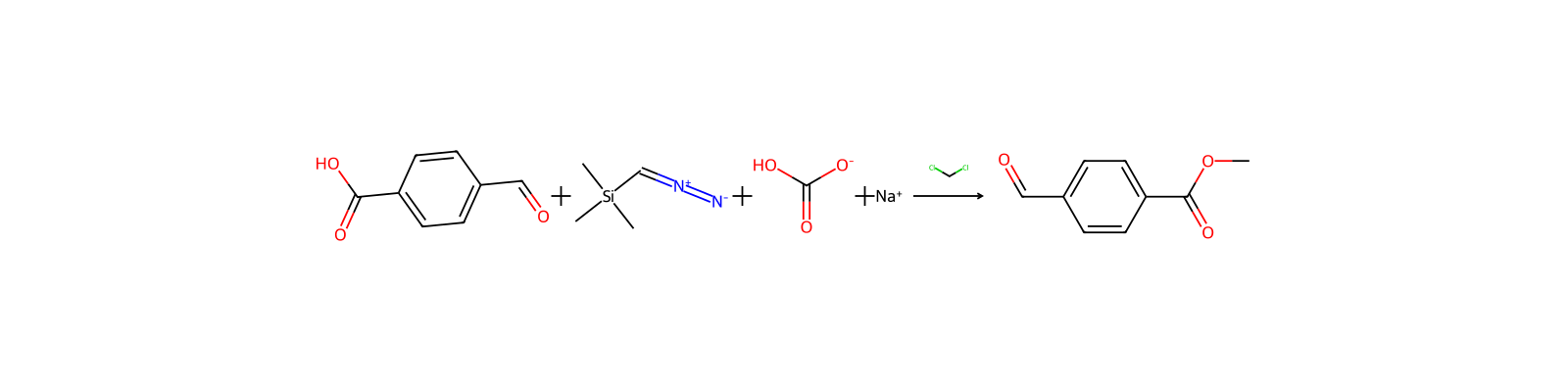
Related reactions
61,103 records






Linked notes
Loading…