HomeMCPWorkbenchSkills
HomeWorkbenchNotificationsMe
llms.txt · MCP GuidePrivacy Policy · Terms of Service · Supportv1.8.0
  1. Home
  2. /Reaction

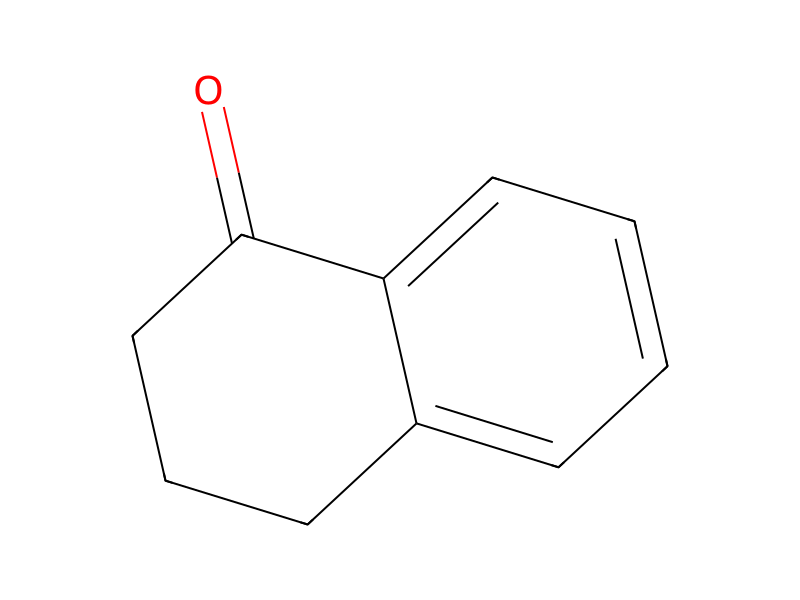
Dichloromethane → 1-Tetralone

HRID 1296142
Notes
Print preview

Reaction equation

HRID 1296142 reaction equation
[CH2:1]([Mg]Br)[C:2]([CH3:5])([CH3:4])C.Cl[CH2:9]Cl.O1[CH2:15][CH2:14][O:13]C1.O1C[CH2:19][CH2:18][CH2:17]1>[Cl-].[Zn+2].[Cl-]>[C:14]1(=[O:13])[C:5]2[C:2](=[CH:1][CH:17]=[CH:18][CH:19]=2)[CH2:4][CH2:9][CH2:15]1
ParticipantsProcedureWorkupSources & evidenceReaction notes

Participants

6

Reactant 4

HCID 6344DichloromethaneHCID 8028TetrahydrofuranHCID 125861,3-DioxolaneHCID 178445863HCID 178445863, compound

Product 1

HCID 107241-TetraloneYield 99%

Reagents, catalysts & solvents 1

HCID 3007855ZincchlorideCatalyst

Procedure

A solution of the neo-pentylmagnesium bromide prepared above (60 mL) was added dropwise at room temperature over 20 min to a solution of zinc chloride (60 mL, 0.5 M in tetrahydrofuran, 30.0 mmol). Following Grignard addition, the reaction mixture was stirred for 0.5 h to yield a white heterogenous suspension. [1,1′-Bis(diphenylphosphino)ferrocene]dichloropalladium(II) complex with dichloromethane (1:1) (816 mg, 1.0 mmol) was added in one portion followed by dropwise addition of a solution of the dioxolane prepared in step 1 (2.69 g, 10.0 mmol) in tetrahydrofuran (10 mL) to yield a yellow reaction mixture, which was then heated at reflux for 1 h to yield a brown solution. The reaction mixture was cooled to room temperature and carefully quenched with 10% hydrochloric acid (100 mL) and the reaction mixture was stirred at room temperature overnight. The reaction mixture was diluted with diethyl ether and the phases separated. The organic phase was then washed with water, saturated sodium chloride, dried (sodium sulfate), filtered, and concentrated under reduced pressure to yield a black oil. Purification by flash column chromatography (silica, 19:1 hexanes/ethyl acetate) afforded compound (4) (2.17 g, 99%) as a yellow oil: IR (ATR) 3359, 2957, 1762, 1686, 1521, 1236, 1126, 1076, 1053, 1028 cm−1; 1H NMR (300 MHz, CDCl3) δ 7.79 (s, 1H), 7.26–7.22 (m, 1H), 7.15 (m, 1H), 2.96–2.92 (m, 2H), 2.67–2.62 (m, 2H), 2.50 (s, 2H), 2.17–2.08 (m, 2H), 0.89 (s, 9H); ESI MS m/z 217 [C15H20O+H]+; HPLC: (Method D) >99% (AUC), tR=13.30 min.


Workup

  1. additionFollowing Grignard addition
  2. customto yield a white heterogenous suspension
  3. customto yield a yellow reaction mixture, which
  4. temperaturewas then heated
  5. temperatureat reflux for 1 h
  6. customto yield a brown solution
  7. customcarefully quenched with 10% hydrochloric acid (100 mL)
  8. stirringthe reaction mixture was stirred at room temperature overnight
  9. additionThe reaction mixture was diluted with diethyl ether
  10. customthe phases separated
  11. washThe organic phase was then washed with water, saturated sodium chloride
  12. dry with materialdried (sodium sulfate)
  13. filtrationfiltered
  14. concentrationconcentrated under reduced pressure
  15. customto yield a black oil
  16. customPurification by flash column chromatography (silica, 19:1 hexanes/ethyl acetate)

Sources & evidence

ORD record
ord-91d8e563fdb74f2abf67955e916d0fff
Source dataset
uspto-grants-2007_07
DOI
10.6084/m9.figshare.5104873.v1
Patent number
US07244725B2

Reaction notes

Loading…

On this pageParticipantsProcedureWorkupSources & evidenceReaction notes