Reaction equation

[OH:1][C:2]1[CH:17]=[CH:16][C:5]([C:6]([O:8][CH2:9][C:10]2[CH:15]=[CH:14][CH:13]=[CH:12][CH:11]=2)=[O:7])=[CH:4][CH:3]=1.C1(B(O)O)C=CC=CC=1.C=O.[C:29](O)(=[O:32])CC>C1C=CC=CC=1.O>[OH:1][C:2]1[CH:17]=[CH:16][C:5]([C:6]([O:8][CH2:9][C:10]2[CH:15]=[CH:14][CH:13]=[CH:12][CH:11]=2)=[O:7])=[CH:4][C:3]=1[CH2:29][OH:32]Participants
7

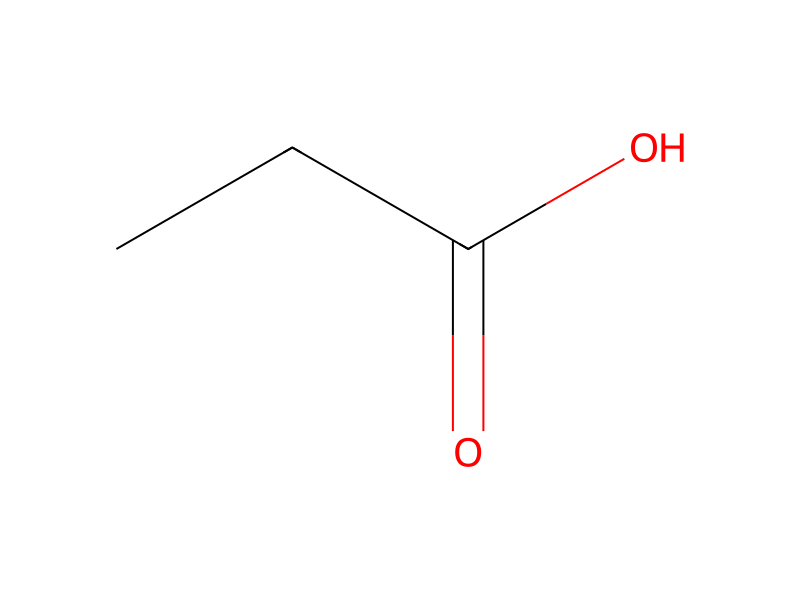





Procedure
A solution of 27.4 g (0.12 mole) of benzyl 4-hydroxybenzoate, 14.7 g (0.12 mole) of benzeneboronic acid, 6 g (0.135 mole) of paraformaldehyde and 0.9 ml (12 mmoles) of propionic acid in 600 ml of anhydrous benzene is heated at reflux for 12 hours using a Dean-Stark reactor to separate the water formed. The reaction medium is poured into bicarbonated water and extracted with ethyl ether. The organic phase is decanted, washed with water, dried on magnesium sulfate and evaporated. The resulting residue is purified by chromatography on a silica column eluted with dichloromethane. After evaporation of the solvent, 8.9 g (30% yield) of the expected product having a melting point of 109°-110° C. are obtained.
Workup
- temperatureat reflux for 12 hours
- customto separate the water
- customformed
- extractionextracted with ethyl ether
- customThe organic phase is decanted
- washwashed with water
- customdried on magnesium sulfate
- customevaporated
- customThe resulting residue is purified by chromatography on a silica column
- washeluted with dichloromethane
Sources & evidence
- ORD record
- ord-fc764d4caba24ff4bb41abc4b7299f25
- Source dataset
- uspto-grants-1995_11
- Patent number
- US05468897
Linked notes
Loading…