Reaction equation

[N-:1]=[C:2]=[O:3].[C:4]([O-:17])(=[O:16])[CH2:5][CH2:6]CCCCCCCCC.C([Sn+2]CCCC)CCC.[C:27]([O-])(=[O:39])[CH2:28]CCCCCCCCCC.C([O-])(=O)C=C>>[C:4]([OH:17])(=[O:16])[CH:5]=[CH2:6].[NH2:1][C:2]([O:39][CH2:27][CH3:28])=[O:3]Participants
4

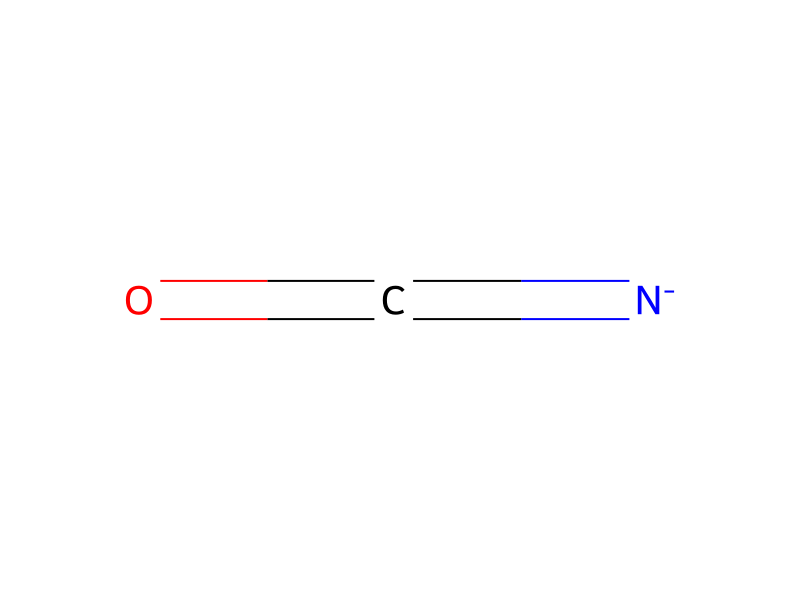


Conditions
- Temperature
- 70 °C
Procedure
A quantity of 0.1 moles of isocyanate terminated prepolymer and 0.1 ml of dibutyltin laurate were charged to a 500 ml glass kettle. The mixture was heated at 70° C. and air was purged through the reaction mixture and a solution of diol (0.05 moles) was added dropwise while the mixture was stirred at 200 RPM. After a two hour reaction, hydroyethyl acrylate (0.1 moles) was added to cap the residual isocyanate and the temperature of the kettle was increased to 77° C. After another two hours, a sample was withdrawn for analysis. The remainder was transferred to a bottle and stored in darkness.
Workup
- customair was purged through the reaction mixture
- additionwas added
- temperaturethe temperature of the kettle was increased to 77° C
- customa sample was withdrawn for analysis
Sources & evidence
- ORD record
- ord-6636e235564b47d3810d88d2653baf63
- Source dataset
- uspto-grants-2008_06
- Patent number
- US07385078B2
Linked notes
Loading…