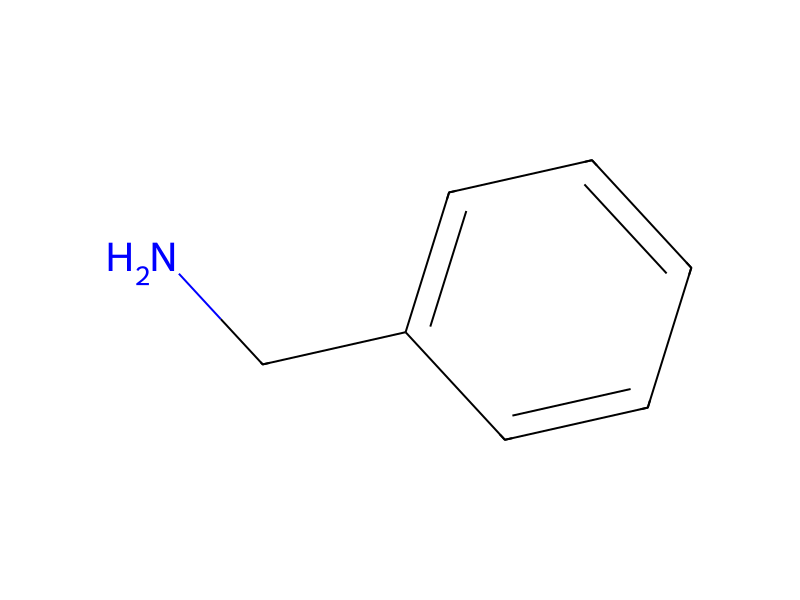
CO[C:3]1[CH:14]=[CH:13][C:6]2[CH2:7][CH2:8][CH2:9][CH2:10][C:11](=O)[C:5]=2[CH:4]=1.[CH2:15]([NH2:22])[C:16]1[CH:21]=[CH:20][CH:19]=[CH:18][CH:17]=1.[OH2:23].[C:24]1(C)C=CC(S(O)(=O)=O)=CC=1>C1(C)C=CC=CC=1>[CH2:15]([NH:22][CH:8]1[CH2:9][CH2:10][CH2:11][C:5]2[C:4]([O:23][CH3:24])=[CH:3][CH:14]=[CH:13][C:6]=2[CH2:7]1)[C:16]1[CH:21]=[CH:20][CH:19]=[CH:18][CH:17]=1A solution of 3-methoxy-6,7,8,9-tetrahydrobenzocyclohepten-5-one (6.0 g) and benzylamine (3.4 ml) in toluene (60 ml) in the presence of a catalytic amount of p-toluenesulfonic acid monohydrate was refluxed for 2 hours to remove water at the toluene azeotrope, and then the mixture was evaporated in vacuo. To the residue in methanol (60 ml) was added sodium borohydride (1.2 g) under nitrogen at 5° C., and the mixture was stirred at room temperature for 12 hours. The resulting mixture was poured into ice-cold water and stirred for 30 minutes. After separation, the organic layer was washed with brine, dried over anhydrous magnesium sulfate and evaporated in vacuo. The residue was chromatographed (hexane-ethyl acetate-methanol) over silica gel to afford N-benzyl-(1-methoxy-6,7,8,9-tetrahydro-5H-benzocyclohepten-6-yl)amine (7.27 g).
Loading…