HomeMCPWorkbenchSkills
HomeWorkbenchNotificationsMe
llms.txt · MCP GuidePrivacy Policy · Terms of Service · Supportv1.8.0
  1. Home
  2. /Reaction

Potassium Carbonate → HCID 85898799, compound

HRID 1352618
Notes
Print preview

Reaction equation

HRID 1352618 reaction equation
Cl.[Cl:2][CH2:3][CH2:4][CH2:5][NH:6][C:7]1[C:12]([N+:13]([O-])=O)=[C:11]([O:16][C:17]2[CH:22]=[CH:21][CH:20]=[CH:19][CH:18]=2)[N:10]=[C:9]([CH3:23])[C:8]=1[CH3:24].[Br-].[Br-].C([N+]1C=CC(C2C=C[N+](CCCCCCCC)=CC=2)=CC=1)CCCCCCC.C(=O)([O-])[O-].[K+].[K+].S(S([O-])=O)([O-])=O.[Na+].[Na+]>O.ClCCl>[Cl:2][CH2:3][CH2:4][CH2:5][NH:6][C:7]1[C:8]([CH3:24])=[C:9]([CH3:23])[N:10]=[C:11]([O:16][C:17]2[CH:18]=[CH:19][CH:20]=[CH:21][CH:22]=2)[C:12]=1[NH2:13]
ParticipantsProcedureWorkupSources & evidenceReaction notes

Participants

7

Reactant 4

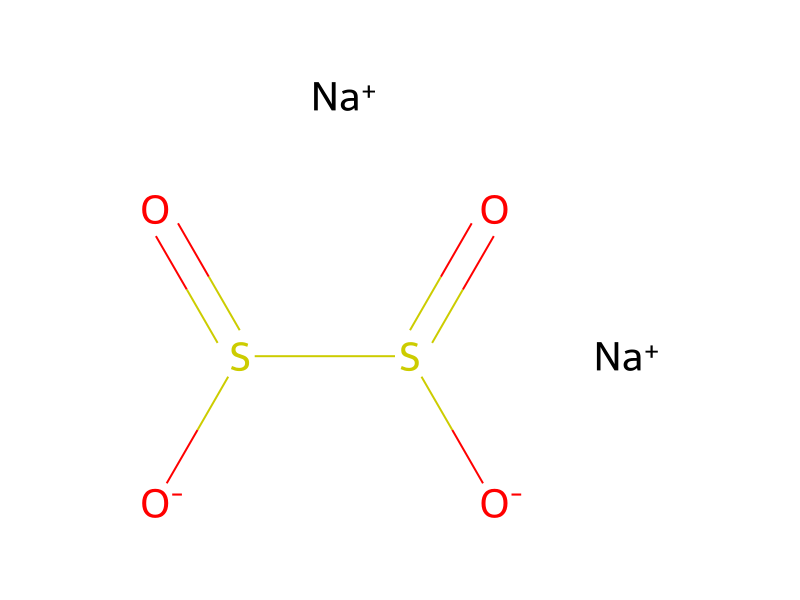
HCID 11430Potassium Carbonate2×HCID 24489Sodium DithioniteHCID 374511,1'-Dioctyl-4,4'-bipyridinium dibromideHCID 21913155HCID 21913155, compound

Product 1

HCID 85898799HCID 85898799, compound

Reagents, catalysts & solvents 2

HCID 962
Water
Solvent
2×
HCID 6344DichloromethaneSolvent

Procedure

N-(3-chloropropyl)-2,3-dimethyl-5-nitro-6-phenoxypyridin-4-amine hydrochloride (12.62 g, 33.72 mmol), 1,1′-di-n-octyl-4,4′-bipyridinium dibromide (dioctyl viologen) (910 mg, 1.69 mmol), dichloromethane (227 mL), water (28 mL) and potassium carbonate (2.33 g, 16.9 mmol) were added sequentially to a 1 L round bottom flask. The reaction mixture was allowed to stir under nitrogen. A solution of of potassium carbonate (23.30 g, 168.6 mmol) and sodium dithionite (26.42 g, 174.1 mmol) in water (114 mL) was added to the reaction mixture. The reaction mixture was heated at reflux for about 2.5 hr and then allowed to cool to ambient temperature. The layers were separated. The aqueous layer was extracted with dichloromethane (100 mL). The combined organics were dried over sodium sulfate, filtered and then concentrated under reduced pressure to provide N4-(3-chloropropyl)-5,6-dimethyl-2-phenoxypyridine-3,4-diamine as a brown sludge. This material was used directly in the next step.

Workup

  1. temperatureThe reaction mixture was heated
  2. temperatureat reflux for about 2.5 hr
  3. customThe layers were separated
  4. extractionThe aqueous layer was extracted with dichloromethane (100 mL)
  5. dry with materialThe combined organics were dried over sodium sulfate
  6. filtrationfiltered
  7. concentrationconcentrated under reduced pressure

Sources & evidence

ORD record
ord-8f8cb7f1b0134da1b798edf018ec3dfb
Source dataset
uspto-grants-2007_05
DOI
10.6084/m9.figshare.5104873.v1
Patent number
US07220758B2

Reaction notes

Loading…

On this pageParticipantsProcedureWorkupSources & evidenceReaction notes