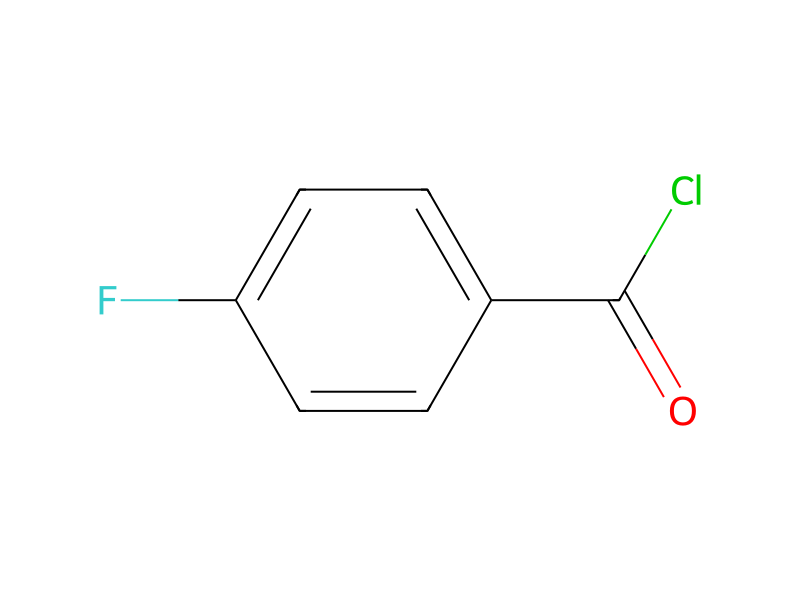
[NH2:1][CH2:2][CH2:3][C:4]1[N:5]([CH2:18][CH2:19][CH3:20])[N:6]=[C:7]2[C:16]=1[C:15]1[CH:14]=[CH:13][CH:12]=[CH:11][C:10]=1[N:9]=[C:8]2[NH2:17].C(N(CC)CC)C.[F:28][C:29]1[CH:37]=[CH:36][C:32]([C:33](Cl)=[O:34])=[CH:31][CH:30]=1.C(=O)([O-])[O-].[Na+].[Na+]>ClCCl>[NH2:17][C:8]1[C:7]2=[N:6][N:5]([CH2:18][CH2:19][CH3:20])[C:4]([CH2:3][CH2:2][NH:1][C:33](=[O:34])[C:32]3[CH:36]=[CH:37][C:29]([F:28])=[CH:30][CH:31]=3)=[C:16]2[C:15]2[CH:14]=[CH:13][CH:12]=[CH:11][C:10]=2[N:9]=1Under a nitrogen atmosphere, a solution of 1-(2-aminoethyl)-2-propyl-2H-pyrazolo[3,4-c]quinolin-4-amine (0.250 g, 0.928 mmol), triethylamine (0.30 g, 3.0 mmol), and 4-fluorobenzoyl chloride (0.18 g, 1.1 mmol) in dichloromethane (7 mL) was stirred for two hours and then concentrated under reduced pressure. The residue was dissolved in methanol, and 1 N hydrochloric acid was added. The reaction was stirred for three days at room temperature and then heated at reflux overnight. A precipitate was present and was isolated by filtration and stirred with 2 M aqueous sodium carbonate. The resulting mixture was extracted with dichloromethane. The combined extracts were then concentrated under reduced pressure. The residue was purified by chromatography using an INTELLIFLASH system (eluting with 0% to 30% CMA in chloroform). The pure product was dried in a vacuum oven overnight at 90° C. to provide N-[2-(4-amino-2-propyl-2H-pyrazolo[3,4-c]quinolin-1-yl)ethyl]-4-fluorobenzamide as a white powder, mp 198-199° C.