Ammonium Chloride → methyl 4-(2H-tetrazol-5-ylmethoxy)benzoate
HRID 1361022
Reaction equation

[C:1]([CH2:3][O:4][C:5]1[CH:14]=[CH:13][C:8]([C:9]([O:11][CH3:12])=[O:10])=[CH:7][CH:6]=1)#[N:2].[N-:15]=[N+:16]=[N-:17].[Na+].[Cl-].[NH4+]>CN(C=O)C>[N:2]1[NH:15][N:16]=[N:17][C:1]=1[CH2:3][O:4][C:5]1[CH:14]=[CH:13][C:8]([C:9]([O:11][CH3:12])=[O:10])=[CH:7][CH:6]=1Participants
5
Reactant 3

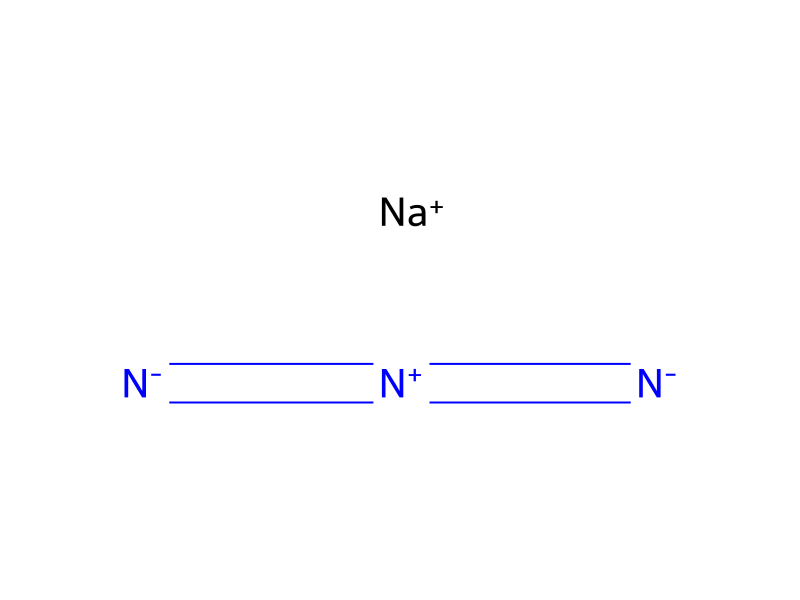

Product 1

Reagents, catalysts & solvents 1

Procedure
A mixture of methyl 4-cyanomethyloxybenzoate (53.5 g, 0.20 mol), sodium azide (16.9 g, 0.26 mol) and ammonium chloride (13.9 g, 0.26 mol) in DMF 1000 (mL) was refluxed overnight under N2. After cooling, the mixture was concentrated in vacuo. The residue was suspended in cold water and extracted with ethyl acetate. The combined organic phases were washed with brine, dried over Na2SO4 and concentrated in vacuo, to afford methyl 4-(2H-tetrazol-5-ylmethoxy)benzoate. This compound was used as such in the following step.