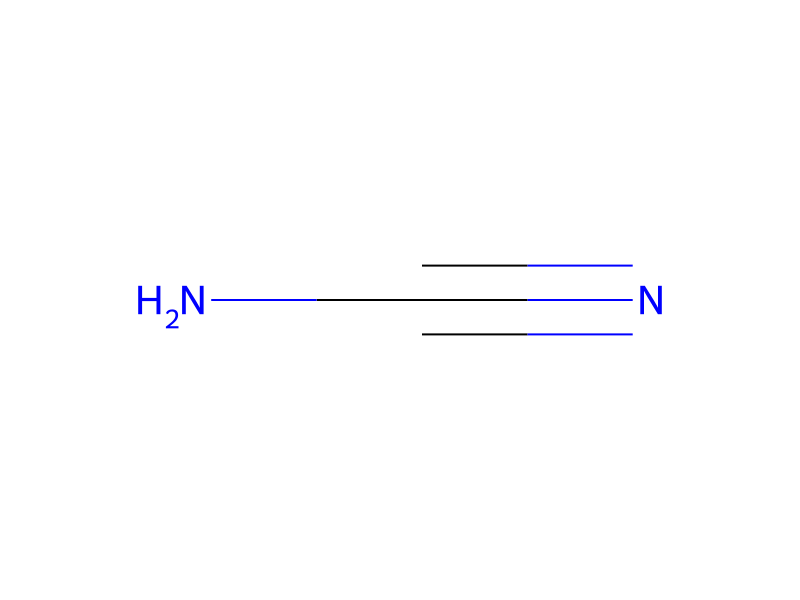
[NH2:1][C:2](=[C:10]([C:15](=O)[CH:16]([CH3:18])[CH3:17])[C:11]([O:13][CH3:14])=[O:12])[C:3]1[CH:8]=[CH:7][C:6]([F:9])=[CH:5][CH:4]=1.[N:20]#[C:21][NH2:22].C(OCC)(=O)C>O>[NH2:22][C:21]1[N:1]=[C:2]([C:3]2[CH:8]=[CH:7][C:6]([F:9])=[CH:5][CH:4]=2)[C:10]([C:11]([O:13][CH3:14])=[O:12])=[C:15]([CH:16]([CH3:18])[CH3:17])[N:20]=1A suspension of 1.33 g of methyl 2-[1-amino-1-(4-fluorophenyl)methylene]-4-methyl-3-oxopentanoate (5.00 mmol) in 4.20 g of 50% strength aqueous cyanamide solution (50.0 mmol) was heated to reflux. After 17 h, it was cooled to room temperature and treated with ethyl acetate (5 ml) and water (5 ml). The undissolved solid was filtered off. The organic phase was separated off and the aqueous phase was extracted with ethyl acetate (2×5 ml). The combined organic phases were dried over magnesium sulphate and concentrated in vacuo. The crude product (0.97 g) was purified by flash chromatography on silica gel (eluent: methylene chloride). 121.6 mg of methyl 2-amino-4-(4-fluorophenyl)-6-isopropylpyrimidine-5-carboxylate were obtained in the form of a colourless solid.