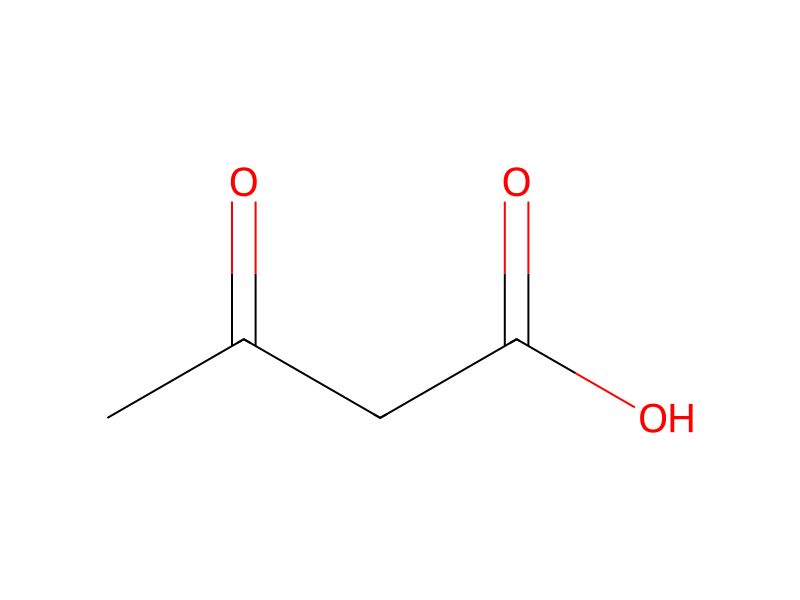
Acetoacetic Acid → 5-Methoxycarbonyl-6-dimethoxymethyl-2-methyl-4-(3-nitrophenyl)-1,4-dihydropyridine-3-carboxylic acid
HRID 1380094
Reaction equation

[N+:1]([C:4]1[CH:5]=[C:6]([CH:9]=[CH:10][CH:11]=1)[CH:7]=O)([O-:3])=[O:2].[C:12]([OH:18])(=[O:17])[CH2:13][C:14]([CH3:16])=O.[NH2:19]/[C:20](/[CH:26]([O:29][CH3:30])[O:27][CH3:28])=[CH:21]\[C:22]([O:24][CH3:25])=[O:23]>C(O)(C)(C)C>[CH3:25][O:24][C:22]([C:21]1[CH:7]([C:6]2[CH:9]=[CH:10][CH:11]=[C:4]([N+:1]([O-:3])=[O:2])[CH:5]=2)[C:13]([C:12]([OH:18])=[O:17])=[C:14]([CH3:16])[NH:19][C:20]=1[CH:26]([O:29][CH3:30])[O:27][CH3:28])=[O:23]Participants
5