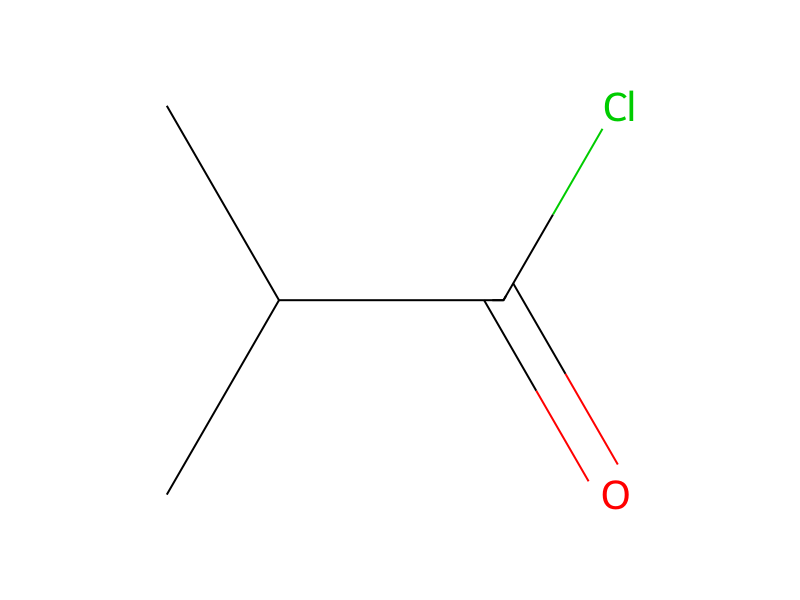
Isobutyryl chloride → 1-(2,6-Dimethoxy-4-fluorophenyl)-2-methylpropan-1-one
HRID 1386500
Reaction equation

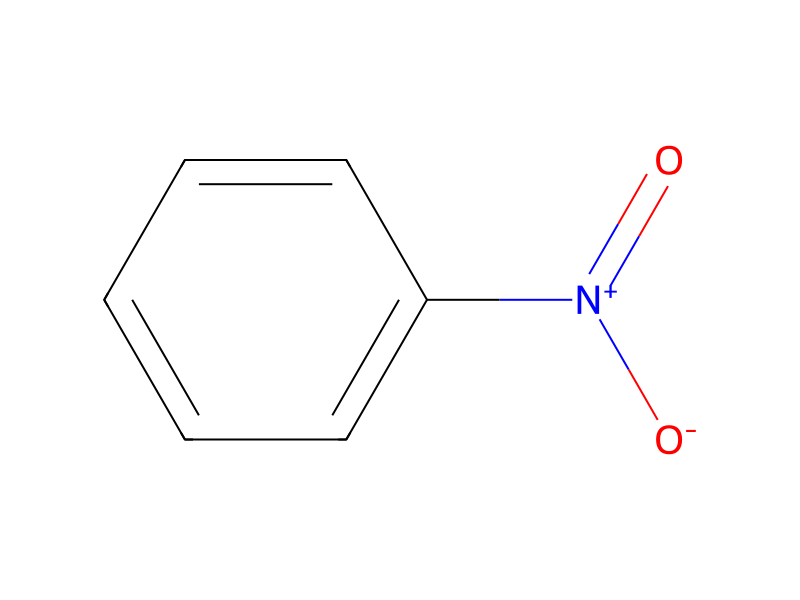
[CH3:1][O:2][C:3]1[CH:8]=[C:7]([F:9])[CH:6]=[C:5]([O:10][CH3:11])[CH:4]=1.[CH3:12][CH:13]([CH3:17])[C:14](Cl)=[O:15]>[N+](C1C=CC=CC=1)([O-])=O>[CH3:1][O:2][C:3]1[CH:8]=[C:7]([F:9])[CH:6]=[C:5]([O:10][CH3:11])[C:4]=1[C:14](=[O:15])[CH:13]([CH3:17])[CH3:12]Participants
4
Reactant 2

Product 1

Reagents, catalysts & solvents 1
Conditions
- Temperature
- 5 °C
Procedure
Into a 1-liter, three-necked round-bottom flask was placed 20.0 g (0.13 mole) of 1,3-dimethoxy-5-fluorobenzene, 13.6 g (0.0.13 mole) of 2-methylpropanoyl chloride, and 100 ml of nitrobenzene. The mixture was flushed with argon and an equal molar amount of AlCl3 (17.2 g) was added to the reaction mixture while stirring at 5° C. The mixture was stirred at a temperature of 5° C. for about 1 hour after the addition of the AlCl3. The reaction mixture was then mixed with about 100 ml of distilled water and extracted with dichloromethane. The organic layer was washed with NaHCO3 solution, salt water, and then dried. The solvent was removed by vacuum to yield the final product, 1-(2,6-dimethoxy-4-fluorophenyl)-2-methylpropan-1-one. The yield of the reaction was 22.8 g of product (77%).