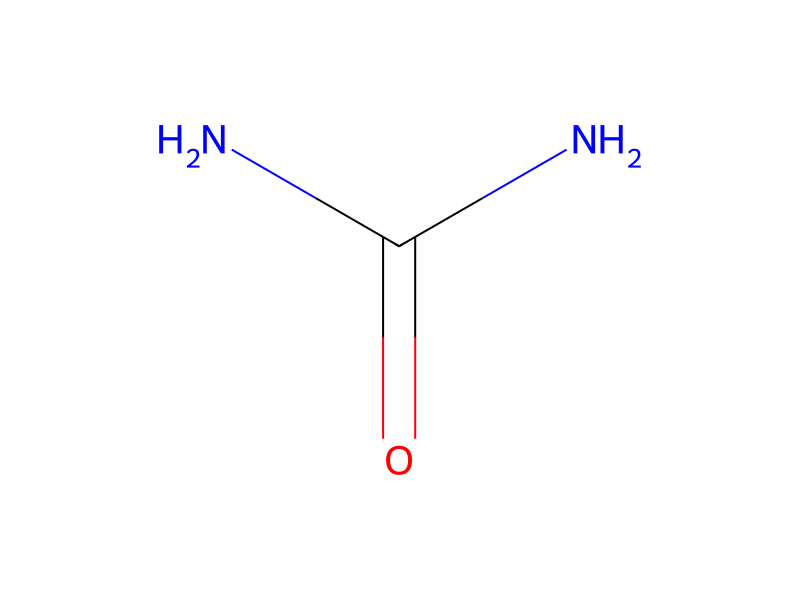
Following the procedure described in Example 1, 638 g of 4-chloroaniline, 240 g of urea, 89 g of ethyl carbamate, 625 g of ethanol (approximately 96%) and 1400 g of chlorobenzene were reacted for 6.5 hours at 200° C. in the pressure apparatus described in Example 1. After the apparatus had been cooled and vented, the reaction mixture was removed. Excess ethanol was removed by fractional distillation at atmospheric pressure. The mixture (while being stirred) was then exposed to hydrogen chloride gas at room temperature, filtered and subjected to fractional distillation in vacuo. Chlorobenzene was separated off at 15 mbar. Subsequent distillation at 0.2 mbar yielded 785 g (78.6% of the theoretical yield) of N-(4-chlorophenyl)-carbamic acid ethyl ester melting at from 68° to 70° C.