HomeMCPWorkbenchSkills
HomeWorkbenchNotificationsMe
llms.txt · MCP GuidePrivacy Policy · Terms of Service · Supportv1.8.3
  1. Home
  2. /Reaction

Hydrochloric Acid → 6-Morpholino-N-(1H-pyrrol-1-yl)-3-pyridazineamine

HRID 1390009
Print

Reaction equation

HRID 1390009 reaction equation
[NH:1]([C:3]1[N:4]=[N:5][C:6]([N:9]2[CH2:14][CH2:13][O:12][CH2:11][CH2:10]2)=[CH:7][CH:8]=1)[NH2:2].Cl.CO[CH:18]1[CH2:22][CH2:21][CH:20](OC)O1>C(O)C.C(OCC)C>[O:12]1[CH2:11][CH2:10][N:9]([C:6]2[N:5]=[N:4][C:3]([NH:1][N:2]3[CH:18]=[CH:22][CH:21]=[CH:20]3)=[CH:8][CH:7]=2)[CH2:14][CH2:13]1
ParticipantsConditionsProcedureWorkupSources & evidenceReaction notes

Participants

6

Reactant 3

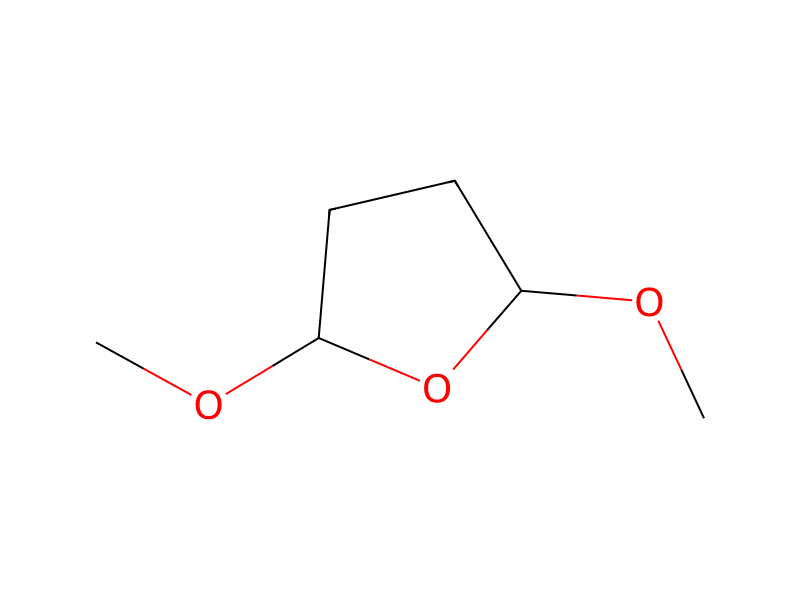
HCID 313Hydrochloric AcidHCID 790982,5-DimethoxytetrahydrofuranHCID 126035483-Hydrazino-6-morpholino-pyridazine

Product 1

HCID 202946626-Morpholino-N-(1H-pyrrol-1-yl)-3-pyridazineamineYield 2%

Reagents, catalysts & solvents 2

HCID 702EthanolSolvent
HCID 3283
Diethyl Ether
Solvent

Conditions

Temperature
60 °C

Procedure

To 5.85 g (30 m mol) of 3-hydrazino-6-morpholino-pyridazine in 130 ml of ethanol, ethyl ether (45 ml) saturated with hydrogen chloride is added. The suspension of pale yellow precipitate which forms is additioned with 12 g (90 m mol) of 2,5-dimethoxytetrahydrofuran and the mixture is refluxed (60° C.) for 6 hours. The solvent is removed under vacuum and the residue is dissolved in water, brought to pH 8 by addition of a sodium carbonate solution and extracted with four portions (each of 100 ml) of dichloromethane. The organic extracts are pooled together, washed with water (50 ml) and anhydrified over sodium sulfate. Evaporation of the solvent yields an oil which is purified through column chromatography (silicagel, 500 g) using as the eluent a mixture of dichloromethane and ethyl acetate wherein the ratio of ethyl acetate is gradually increased from 20% to 100%. Evaporation of the more polar fraction yields 0.15 g (2%) of the product of the title which melts at 228° C.


Workup

  1. additionThe suspension of pale yellow precipitate which
  2. customThe solvent is removed under vacuum
  3. dissolutionthe residue is dissolved in water
  4. additionbrought to pH 8 by addition of a sodium carbonate solution
  5. extractionextracted with four portions (each of 100 ml) of dichloromethane
  6. washwashed with water (50 ml)
  7. customEvaporation of the solvent
  8. customyields an oil which
  9. customis purified through column chromatography (silicagel, 500 g)
  10. additiona mixture of dichloromethane and ethyl acetate wherein the ratio of ethyl acetate
  11. temperatureis gradually increased from 20% to 100%
  12. customEvaporation of the more polar fraction

Sources & evidence

ORD record
ord-7d74774f0d5147dbbd668d5a628f7425
Source dataset
uspto-grants-1981_01
DOI
10.6084/m9.figshare.5104873.v1
Patent number
US04247551

Reaction notes

On this pageParticipantsConditionsProcedureWorkupSources & evidenceReaction notes