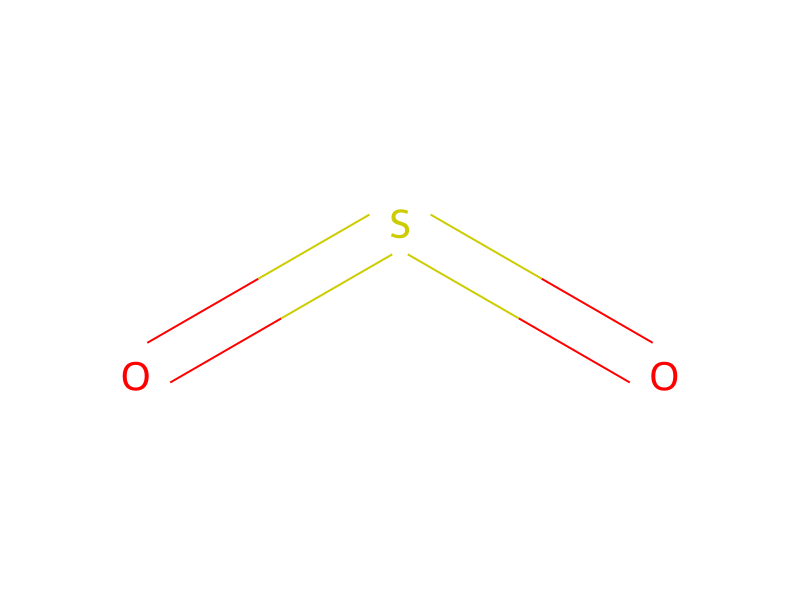
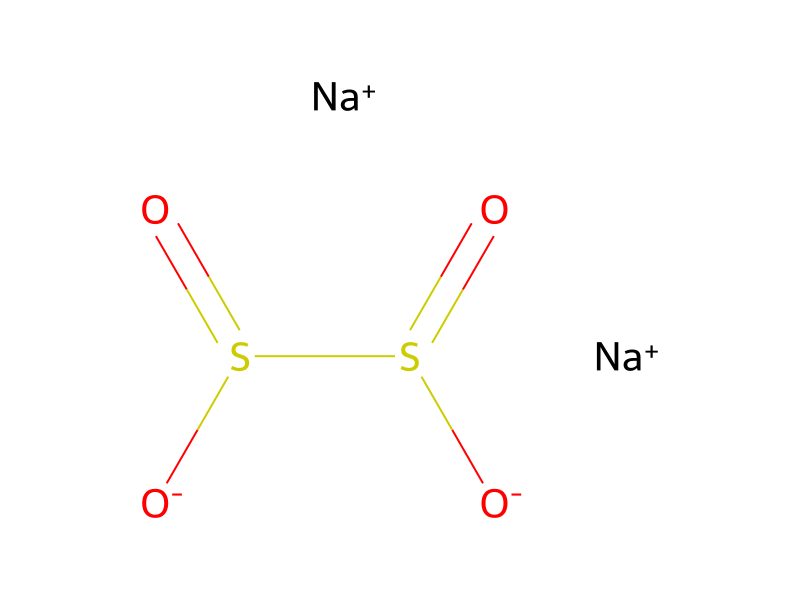
A suspension of 3.9 g of 4-amino-3-nitro-valerophenone in 35 ml of dioxane and 9 ml of water is heated to the reflux temperature and the resulting solution is treated, in the course of 10 minutes, while boiling, with 14 g of sodium dithionite in 60 ml of water. The reaction mixture is boiled under reflux for a further 15 minutes and 6 N hydrochloric acid is then added dropwise until the pH is 3, a little sulphur dioxide escaping. The pH value is adjusted to 2, the mixture is allowed to react for a few minutes and the organic solvent is then removed under reduced pressure. The residual aqueous suspension is rendered alkaline in the cold and extracted with 5 50 ml portions of chloroform. The combined organic extracts are washed twice with water, dried and filtered and the filtrate is evaporated. 3,4-Diamino-valerophenone is obtained in the form of brown crystals; melting point 106°-107°.