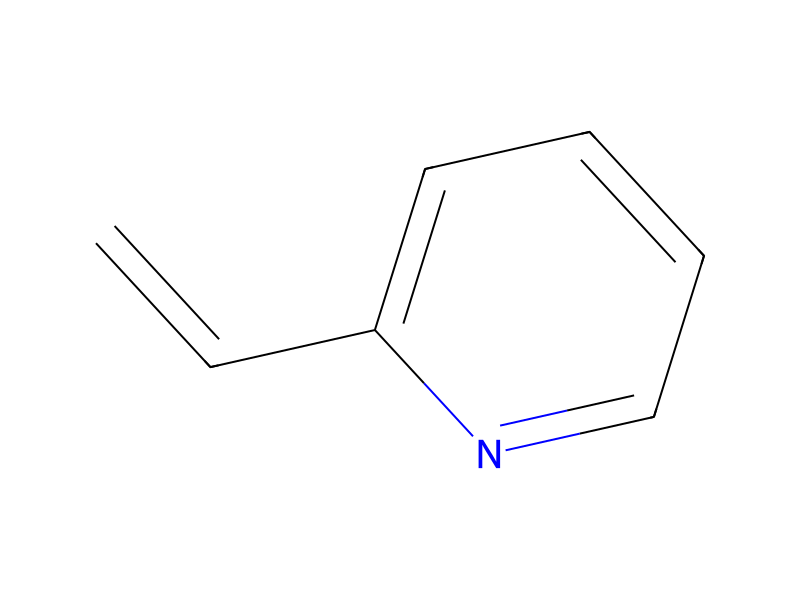
[F:1][C:2]([F:19])([F:18])[C:3]1[CH:4]=[C:5]2[C:10](=[CH:11][CH:12]=1)[N:9]1[CH2:13][CH2:14][NH:15][CH2:16][CH:8]1[C:7](=[O:17])[NH:6]2.[CH:20]([C:22]1[CH:27]=[CH:26][CH:25]=[CH:24][N:23]=1)=[CH2:21].CO.Cl>C(O)C.C(O)(=O)C>[N:23]1[CH:24]=[CH:25][CH:26]=[CH:27][C:22]=1[CH2:20][CH2:21][N:15]1[CH2:14][CH2:13][N:9]2[C:10]3[C:5]([NH:6][C:7](=[O:17])[CH:8]2[CH2:16]1)=[CH:4][C:3]([C:2]([F:18])([F:1])[F:19])=[CH:12][CH:11]=3A solution of 8.5 g. (0.03 mole) of 2,3,4,4a-tetrahydro-8-trifluoromethyl-1H-pyrazino[1,2-a]quinoxalin-5(6H)-one and 17.5 g. (0.16 mole) of 2-vinylpyridine in 250 ml. of methanol containing 7 ml. acetic acid was heated under reflux for 20 hours. The reaction mixture was cooled, and the solvent was removed under reduced pressure. The residue was precipitated with 1 l. of water. The product was filtered and recrystallized from methanol-water to yield 10.1 g. of free base. 4.5 G. of this free base was dissolved in 150 ml. of absolute ethanol and treated with dry hydrogen chloride saturated ether solution. The product hydrochloride was filtered and recrystallized two times from methanol-ether to give 4 g. (71%) of the title compound as the dihydrochloride salt, m.p. 194°-196° C.
Loading…