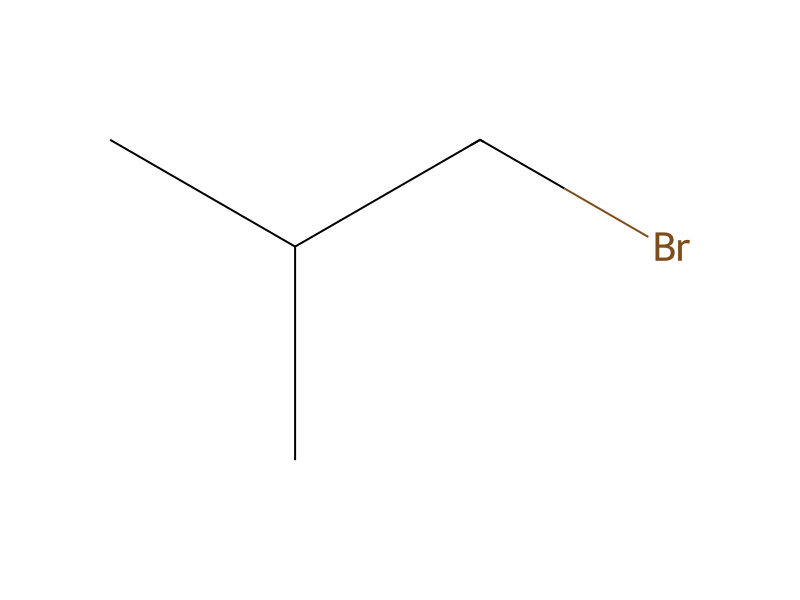
C(=O)([O-])[O-].[Na+].[Na+].[I:7][C:8]1[CH:9]=[C:10]2[C:14](=[CH:15][CH:16]=1)[N:13]([C:17]1[CH:18]=[C:19]([CH:23]=[CH:24][CH:25]=1)[C:20]([OH:22])=[O:21])[N:12]=[CH:11]2.Br[CH2:27][CH:28]([CH3:30])[CH3:29]>CN1C(=O)CCC1>[I:7][C:8]1[CH:9]=[C:10]2[C:14](=[CH:15][CH:16]=1)[N:13]([C:17]1[CH:18]=[C:19]([CH:23]=[CH:24][CH:25]=1)[C:20]([O:22][CH2:27][CH:28]([CH3:30])[CH3:29])=[O:21])[N:12]=[CH:11]2A 50 mL.s flask was charged with sodium carbonate (0.700 g, 6.60 mmol), 3-(5-iodo-1H-indazol-1-yl)benzoic acid (I1a) (2.185 g, 6 mmol) and NMP (15 mL) at 40° C. with magnetic stirring. After a couple of minutes 1-bromo-2-methylpropane (0.971 mL, 9.00 mmol) was added in one portion. After one hour at 40° C., the temperature was raised to 55° C. and another portion of 1-bromo-2-methylpropane (0.971 mL, 9.00 mmol) was added. The stirring was continued overnight. After cooling, the reaction mixture was partitioned between water and ethyl acetate. The organic phase was washed twice with water, dried over Na2SO4, filtered and evaporated to dryness to afford the title compound as a syrup (2.5 g, 99%). The product solidified to a beige material upon standing.
Loading…