

Basic information
- Standard SMILES
CN1CCCC1=O- InChIKey
SECXISVLQFMRJM-UHFFFAOYSA-N- Molecular formula
- C5H9NO
- Average molar mass
- 99.13 g/mol
- Monoisotopic mass
- 99.06841391
Overview
N-Methylpyrrolidone can cause developmental toxicity according to The Environmental Protection Agency (EPA).
Names & identifiers
- Preferred name
- N-methyl-2-pyrrolidone
- IUPAC
- 1-methylpyrrolidin-2-one
- English name
- N-Methyl-2-pyrrolidone
- Molecular formula
- C5H9NO
- Molecular weight
- 99.13
Names & synonyms
1-METHYL-2-PYRROLIDINONE872-50-4N-Methyl-2-pyrrolidoneN-MethylpyrrolidoneN-Methyl-2-pyrrolidinoneMethylpyrrolidone1-Methyl-2-pyrrolidone1-MethylpyrrolidoneMethyl pyrrolidoneN-Methylpyrrolidinone1-Methylpyrrolidinonen-methyl-pyrrolidone
Show more names
NMP1-methyl-pyrrolidin-2-one1-Methylpyrrolidin-2-oneN-Methyl Pyloridone (NMP)
1-Methyl-5-pyrrolidinone2-Pyrrolidinone, 1-methyl-1-Methylazacyclopentan-2-oneN-Methyl-gamma-butyrolactamAgsolex 1DTXSID6020856N-Methyl-alpha-pyrrolidoneMicroposit 2001
Database identifiers
- CAS
30207-69-3、51013-18-4、872-50-4- PubChem CID
- 13387
- DTXSID
DTXSID6020856- ChEMBL
CHEMBL12543- ChEBI
CHEBI:7307- UNII
- JR9CE63FPM
- EC Number
- 212-828-1
- Nikkaji
- J26.033I
Properties
Computed structural properties
- XLogP
- -0.5
- Topological polar surface area
- 20.3 Ų
- Hydrogen bond donors
- 0
- Hydrogen bond acceptors
- 1
- Rotatable bonds
- 0
- Heavy atoms
- 7
- Formal charge
- 0
- Complexity
- 90.1
Experimental & physicochemical properties
Chemical Classes
Teratogens
Industrial compound
DrugsPharmaceuticals -> Listed in ZINC15
SolventsSolvents -> Other Solvents
CosmeticsSurfactant
pHpH = 7.7-8
SpringerMaterials Properties15N nuclear magnetic resonance spectrum
LogP
log Kow = -0.38
-0.38
-0.54
OdorMild amine odor
Density
1.03 at 77 °F (USCG, 1999) - Denser than water; will sink
1.027 at 25 °C/25 °C
Relative density (water = 1): 1.03
1.03
1.027 @25 °C
Viscosity
1.65 cP at 25 °C
1.62 mm²/s at 25 °C
Color/FormClear liquid
Solubility
greater than or equal to 100 mg/mL at 68 °F (NTP, 1992)
Miscible with water, alcohol, ether, acetone, ethyl acetate, chloroform, benzene
Miscible with castor oil
Miscible with lower alcohols and ketones
Moderately soluble in aliphatic hydrocarbons and dissolves many organic and inorganic compounds.
Solubility in water: miscible
Physicochemical properties
- Melting point
- -24 °C · -24 °C (lit.)
- Boiling point
- 202 °C · 202 °C (lit.) 81-82 °C/10 mmHg (lit.)
- Density
- 1.028 g/mL · 1.028 g/mL at 25 °C (lit.)
- vapor density
- 3.4 · 3.4 (vs air)
- vapor pressure
- 0.29 mm · 0.29 mm Hg ( 20 °C)
- refractive index
- 20 · n20/D 1.479
- Flash point
- 187 °F · 187 °F
- storage temp.
- 5 °C · Store at +5°C to +30°C.
- solubility
- 0.1 ML/mL, · ethanol: miscible0.1ML/mL, clear, colorless (10%, v/v)
- form
- Liquid
- pka
- -0.41 · -0.41±0.20(Predicted)
- color
- 20 · ≤20(APHA)
- PH
- 8.5 · 8.5-10.0 (100g/l, H2O, 20℃)
- Odor
- Slight amine odor
- PH Range
- 7.7 · 7.7 - 8.0
- explosive limit
- 1.3 · 1.3-9.5%(V)
- Water Solubility
- 10 g/100 · >=10 g/100 mL at 20 ºC
- Thermal Conductivity
- 0.162 W/ · 0.162 W/(m·K) at 25 ℃
- Specific Heat Capacity
- 3.11 J/ · Cp(liquid): 3.11 J/(g·K), at 25℃
- λmax
- 283 nm · 283nm(MeOH)(lit.)
- Sensitive
- Hygroscopic
- Merck
- 14 · 14,6117
- BRN
- 106420 · 106420
- Henry's Law Constant
- 3.1 · 3.1×103 mol/(m3Pa) at 25℃, Brockbank (2013)
- Exposure limits
- 10 ppm · EU LTEL: 10 ppm(40 mg/m3); EU STEL: 20 ppm(80 mg/m3)
- Dielectric constant
- 32.2 · 32.200000000000003
- Stability
- Stable, but decomposes upon exposure to light. Combustible. Incompatible with strong oxidizing agents, strong acids, reducing agents, bases.
- Major Application
- food and beverages
- Cosmetics Ingredients Functions
- SOLVENT
- InChI
- 1S/C5H9NO/c1-6-4-2-3-5(6)7/h2-4H2,1H3
- InChIKey
- SECXISVLQFMRJM-UHFFFAOYSA-N
- SMILES
- CN1CCCC1=O
- LogP
- -0.46 at · -0.46 at 25℃
- Surface tension
- 41.3 mN/m · 41.3mN/m at 293.15K
- Substances of Very High Concern (SVHC) Candidate List
- 1 · 1-Methyl-2-pyrrolidone (NMP) (872-50-4)
- REACH Annex XVII Substances List
- 1 · 1-methyl-2-pyrrolidone (872-50-4)
- FDA 21 CFR
- 176.3 · 176.300; 177.1655; 177.2440
- Indirect Additives used in Food Contact Substances
- -2 · N-METHYL-2-PYRROLIDONE
- CAS DataBase Reference
- 872 · 872-50-4(CAS DataBase Reference)
- FDA UNII
- 9 CE63FPM · JR9CE63FPM
- Proposition 65 List
- N-Methylpyrrolidone
- NIST Chemistry Reference
- 2 · 2-Pyrrolidinone, 1-methyl-(872-50-4)
- EPA Substance Registry System
- -2 · N-Methyl-2-pyrrolidone (872-50-4)
- UNSPSC Code
- 41116107 · 41116107
- NACRES
- 24 · NA.24
- Symbol(GHS)
- 7 · GHS07,GHS08
- Signal word
- Danger
- Hazard statements
- 315 · H315-H319-H335-H360D
- Precautionary statements
- 202 · P202-P261-P264-P302+P352-P305+P351+P338-P308+P313
- target organs
- Respiratory system
- Hazard Codes
- T,Xi
- Risk Statements
- 45 · 45-65-36/38-36/37/38-61-10-46
- Safety Statements
- 41 · 41-45-53-62-26
- RIDADR
- 1993 · NA1993
- WGK Germany
- 1 · 1
- RTECS
- 5790000 · UY5790000
- F
- 3 · 3-8-10
- Autoignition Temperature
- 518 °F · 518 °F
- TSCA
- TSCA listed
- HazardClass
- CBL
- HS Code
- 2933199090 · 2933199090
- Storage Class
- 6.1 C · 6.1C - Combustible acute toxic Cat.3toxic compounds or compounds which causing chronic effects
- Hazard Classifications
- 2 Repr · Eye Irrit. 2Repr. 1BSkin Irrit. 2STOT SE 3
- Hazardous Substances Data
- 872 · 872-50-4(Hazardous Substances Data)
- Toxicity
- 50 orally · LD50 orally in Rabbit: 3598 mg/kg LD50 dermal Rabbit 8000 mg/kg
- REACH Registrations
- Active
- Excepted Quantities
- Non-Hazardous
Safety & regulation
GHS classification
GHS Classification
Danger
H315: Causes skin irritation [Warning Skin corrosion/irritation]
P203, P261, P264, P264+P265, P271, P280, P302+P352, P304+P340, P305+P351+P338, P318, P319, P321, P332+P317, P337+P317, P362+P364, P403+P233, P405, and P501 (click each P-code to see the statement)
This chemical does not meet GHS hazard criteria for < 0.1% (1 of 2679) of reports.
Danger
H315 (> 99.9%): Causes skin irritation [Warning Skin corrosion/irritation]
Hazard information
Regulatory Information
Chemical: 2-Pyrrolidinone, 1-methyl-
Hazard Traits - Developmental Toxicity; Reproductive Toxicity
Council Directive (EEC) No 109/1989 (Repealed by Reg. EC No 1935/2004 (amended))
2-Pyrrolidinone, 1-methyl- is listed on the EPA's Chemical Data Reporting (CDR) system. Manufacturers and importers of 2-Pyrrolidinone, 1-methyl- are required to report information about their production and use of this chemical to the EPA under the Toxic Substances Control Act (TSCA). (40 eCFR Part 711)
Status: Active Update: 28-02-2023 https://echa.europa.eu/registration-dossier/-/registered-dossier/15493
Restricted substance: 1-methyl-2-pyrrolidone
Other Safety InformationIMAP assessments - 2-Pyrrolidinone, 1-methyl-: Human health tier III assessment
DOT LabelCombustible Liquid
Fire Hazards
Special Hazards of Combustion Products: Toxic oxides of nitrogen may be formed in fire. (USCG, 1999)
Combustible. Gives off irritating or toxic fumes (or gases) in a fire. Above 86 °C explosive vapour/air mixtures may be formed.
Fire PotentialCombustible when exposed to heat, open flame, or powerful oxidizers.
Health HazardsInhalation of hot vapors can irritate nose and throat. Ingestion causes irritation of mouth and stomach. Contact with eyes causes irritation. Repeated and prolonged skin contact produces a mild, transient irritation. (USCG, 1999)
Hazards Summary
It is absorbed through the skin; a severe eye irritant; [CSH, p. 291] It is mainly an irritant, but it can cause severe contact dermatitis due to prolonged contact. [Kanerva, p. 1816] Experimental animals experience lethargy and respiratory difficulty after inhalation. [HSDB] Some animal studies found fetal loss and birth defects after high doses during early pregnancy. [Frazier, p. 345] NMP is a cyclic amide used as a solvent, catalyst, formulating agent, and graffiti remover. Significant absorption occurs through the skin. 2-HMSI can be used for biological monitoring of workers. [Akesson B, Carnerup MA, Jonsson BAG. Evaluation of exposure biomarkers from percutaneous absorption of N-methyl-2-pyrrolidone. Scand J Work Environ 2004;30(4):306-312] In high-dose animal studies, adverse effects include CNS depression and changes to the liver, kidneys, and blood cells. [ACGIH] A skin and eye irritant; [ICSC] Danger of cutaneous absorption; [AIHA]
Reactive GroupAmides and Imides
EC ClassificationR: 61-36/37/38; S: 53-45
Special Reports
Bower DB; Journal of Occupational and Environmental Medicine 39 (5): 393-4 (1997). Stillbirth after exposure to N-methyl-2-pyrrolidone.
Solomon GM et al; Journal of Occupational and Environmental Medicine 38 (7): 705-13 (1996). Stillbirth after occupational exposure to n-methyl-2-pyrrolidone. A case report and review of the literature.
Akesson B; Arbetsmilj"oinstitutet, F"orlagstj"anst 171 (84): 24 (1994). The Nordic Expert Group for Criteria Documentation of Health Risks from Chemicals - N-Methyl-2-pyrrolidone.
Wallen M; Nord 6: 75-89 (1992). Health effects of selected chemicals: methylpyrrilidinone.
Lee KP et al; Fundam Appl Toxicol 9 (2):222-35 (1987). Toxicity of N-methyl-2-pyrrolidone teratogenic subchronic and two-year inhalation study.
TSCA RequirementsA testing consent order is in effect for N-methylpyrrolidone for health effects testing. FR citation: 11/23/93.
FIFRA Requirements
Residues of n-methylpyrrolidone are exempted from the requirement of a tolerance when used in accordance with good agricultural practice as inert (or occasionally active) ingredients in pesticide formulations applied to growing crops only. Use: solvent, cosolvent.
Safety & protection
Fire Fighting
Excerpt from ERG Guide 128 [Flammable Liquids (Water-Immiscible)]:
Use water spray, powder, alcohol-resistant foam, carbon dioxide.
First Aid Measures
Fresh air, rest. Refer for medical attention.
Rinse skin with plenty of water or shower.
First rinse with plenty of water for several minutes (remove contact lenses if easily possible), then refer for medical attention.
Rinse mouth. Refer for medical attention .
First Aid
EYES: First check the victim for contact lenses and remove if present. Flush victim's eyes with water or normal saline solution for 20 to 30 minutes while simultaneously calling a hospital or poison control center. Do not put any ointments, oils, or medication in the victim's eyes without specific instructions from a physician. IMMEDIATELY transport the victim after flushing eyes to a hospital even if no symptoms (such as redness or irritation) develop.
Safe StorageDry. Ventilation along the floor. Separated from strong oxidants, strong acids, strong bases, copper and plastics.
Exposure Control and Personal Protection
Biological Exposure Indices (BEI) [ACGIH] - 5-Hydroxy-N-methyl-2-pyrrolidone in urine = 100 mg/L at end of shift;
20.0 [ppm], (can also occur as vapor and aerosol)[German Research Foundation (DFG)]
Fire Fighting ProceduresUse water spray, powder, alcohol-resistant foam, carbon dioxide.
Storage Conditions
Small quantities can be stored in polyethylene, polypropylene, or clear glass bottles.
Safe Storage: Separated from oxidants, rubber, plastics, aluminum and light metals. Dry. Ventilation along the floor.
Cleanup Methods
Spillage Disposal: Personal protection: filter respirator for organic gases and vapours adapted to the airborne concentration of the substance. Collect leaking and spilled liquid in sealable containers as far as possible. Absorb remaining liquid in sand or inert absorbent. Then store and dispose of according to local regulations.
Nonfire Spill Response
SMALL SPILLS AND LEAKAGE: If you should spill this chemical, use absorbent paper to pick up all liquid spill material. Seal the absorbent paper, as well as any of your clothing which may be contaminated, in a vapor-tight plastic bag for eventual disposal. Wash any surfaces you may have contaminated with a soap and water solution. Do not reenter the contaminated area until the Safety Officer (or other responsible person) has verified that the area has been properly cleaned.
Disposal Methods
SRP: The most favorable course of action is to use an alternative chemical product with less inherent propensity for occupational harm/injury/toxicity or environmental contamination. Recycle any unused portion of the material for its approved use or return it to the manufacturer or supplier. Ultimate disposal of the chemical must consider: the material's impact on air quality; potential migration in soil or water; effects on animal and plant life; and conformance with environmental and public health regulations.
Spillage Disposal
Personal protection: filter respirator for organic gases and vapours adapted to the airborne concentration of the substance. Collect leaking liquid in sealable containers. Absorb liquid in sand or inert absorbent. Store and dispose of according to local regulations. Wash away remainder with plenty of water.
Preventive Measures
Do not eat, drink, or smoke during work.
SRP: The scientific literature for the use of contact lenses in industry is conflicting. The benefit or detrimental effects of wearing contact lenses depend not only upon the substance, but also on factors including the form of the substance, characteristics and duration of the exposure, the uses of other eye protection equipment, and the hygiene of the lenses. However, there may be individual substances whose irritating or corrosive properties are such that the wearing of contact lenses would be harmful to the eye. In those specific cases, contact lenses should not be worn. In any event, the usual eye protection equipment should be worn even when contact lenses are in place.
Toxicology
Interactions
The ability of N-methylpyrrolidone and polar lipids to increase the percutaneous delivery of metronidazole was investigated across full thickness human nonoccluded skin in vitro. Fatty acids and ethyl alcohol were also tested and were effected in penetration enhancement in propylene glycol vehicles; N-methylpyrrolidone increased metronidazole penetration from isopropyl myristate vehicles but not from propylene glycol. N-methylpyrrolidone premeated skin readily when applied in the neat state or in a mixture with isopropyl myristate. Results indicated that variations in barrier permeability to metronidazole were associated with the rate of N-methylpyrrolidone permeating the skin.
The effect of a penetration enhancer, N-methylpyrrolidone (N-methyl-2-pyrrolidone) or isopropyl myristate, on the in vitro permeability of gonadorelin (luteinizing hormone-releasing hormone; LHRH) through porcine epidermis was investigated. The permeability coefficient of gonadorelin significantly increased through penetration enhancer treated epidermis in comparison to the control. It was concluded that both penetration enhancers can enhance the percutaneous absorption of peptides such as gonadorelin.
Laurocapram (Azone; 1-dodecylazacycloheptan-2-one; I), N-methylpyrrolidone (N-methyl-2-pyrrolidone; II) and dodecyl-L-pyroglutamate (III) were studied in permeation cells in vitro, for their ability to improve the absorption of insulin (IV) and FD&C Blue No. 1 (brilliant blue FCF; V) through skin; the compounds were formulated into a 40% solution of propylene glycol in increasing concentrations. ... The permeation of V was improved in the presence of II, with concentrations of II ranging from 6.0 to 20.0% exhibiting the same efficacy. In experiments with IV, the optimum efficacy of II was found at a concentration close to 10.0%, with a decline in efficacy in higher and lower concentrations. ...
Ecotoxicity Values
LC50; Species: Daphnia magna (Water Flea) age <24 hr; Conditions: freshwater, static, 23 °C, pH 7, dissolved oxygen 7.8 mg/L; Concentration: 2500 ug/L for 24 hr (95% confidence interval: 1800-3500 ug/L) />99.9% purity/
LC50; Species: Daphnia magna (Water Flea) age <24 hr; Conditions: freshwater, static, 23 °C, pH 7, dissolved oxygen 7.8 mg/L; Concentration: 1230 ug/L for 48 hr (95% confidence interval: 1000-1500 ug/L) />99.9% purity/
Environmental Fate
TERRESTRIAL FATE: Based on a classification scheme(1), an estimated Koc value of 4.3(SRC), determined from a log Kow of -0.38(2) and a regression-derived equation(3), indicates that 1-methyl-2-pyrrolidone is expected to have very high mobility in soil(SRC). Volatilization of 1-methyl-2-pyrrolidone from moist soil surfaces is not expected to be an important fate process(SRC) given a Henry's Law constant of 3.20X10⁻⁹ atm-cu m/mole(4). 1-Methyl-2-pyrrolidone is not expected to volatilize from dry soil surfaces(SRC) based upon a vapor pressure of 0.345 mm Hg at 25 °C(5). Utilizing the Japanese MITI test, 73% of the Theoretical BOD was reached in 4 weeks(6) indicating that biodegradation is an important environmental fate process in soil(SRC).
AQUATIC FATE: Based on a classification scheme(1), an estimated Koc value of 4.6(SRC), determined from a log Kow of -0.38(2) and a regression-derived equation(3), indicates that 1-methyl-2-pyrrolidone is not expected to adsorb to suspended solids and sediment(SRC). Volatilization from water surfaces is not expected(4) based upon a Henry's Law constant of 3.20X10⁻⁹ atm-cu m/mole(5). According to a classification scheme(6), an estimated BCF of 3(SRC), from its log Kow(2) and a regression-derived equation(3), suggests the potential for bioconcentration in aquatic organisms is low(SRC). Utilizing the Japanese MITI test, 73% of the Theoretical BOD was reached in 4 weeks(7) indicating that biodegradation is an important environmental fate process in water(SRC).
ATMOSPHERIC FATE: According to a model of gas/particle partitioning of semivolatile organic compounds in the atmosphere(1), 1-methyl-2-pyrrolidone, which has a vapor pressure of 0.345 mm Hg at 25 °C(2), is expected to exist solely as a vapor in the ambient atmosphere. Vapor-phase 1-methyl-2-pyrrolidone is degraded in the atmosphere by reaction with photochemically-produced hydroxyl radicals(SRC); the half-life for this reaction in air is estimated to be 5.2 hrs(SRC), calculated from its rate constant of 7.40X10⁻¹¹ cu cm/molecule-sec at 25 °C(3). 1-Methyl-2-pyrrolidone does not absorb light at wavelengths >290 nm(4) and, therefore, is not expected to be susceptible to direct photolysis by sunlight(SRC).
Food Survey Values1-Methyl-2-pyrrolidinone has been detected as a volatile flavor component of roasted filberts(1).
Adverse EffectsNeurotoxin - Acute solvent syndrome
Exposure RoutesThe substance can be absorbed into the body by inhalation, through the skin and by ingestion.
Signs and Symptoms
Headache.
MAY BE ABSORBED! Redness. Pain.
Redness. Pain. Blurred vision.
Burning sensation in the throat and chest.
Rapid, irregular respiration, shortnessof breath, decreased pain reflex, and slight bloody nasalsecretion.
Ongoing Test Status
The following link will take the user to the National Toxicology Program (NTP) Test Agent Search Results page, which tabulates all of the "Standard Toxicology & Carcinogenesis Studies", "Developmental Studies", and "Genetic Toxicity Studies" performed with this chemical. Clicking on the "Testing Status" link will take the user to the status (i.e., in review, in progress, in preparation, on test, completed, etc.) and results of all the studies that the NTP has done on this chemical.[Available from, as of October 25, 2012: http://ntp-apps.niehs.nih.gov/ntp_tox/index.cfm?fuseaction=ntpsearch.searchresults&searchterm=872-50-4]
Effluent Concentrations
1-Methyl-2-pyrrolidinone was detected in 1 of 46 US industrial effluent samples(1). 1-Methyl-2-pyrrolidone is present in shale oil retort water(2,3). 1-Methyl-2-pyrrolidinone was found in shale retort water at a concentration of 3 mg/L(2). Retort Water Treatment Cell analysis showed an influent concentration of 2.8 and effluent concentrations of not detected, 1.4, 3.3, and 10.1 mg/L at 1, 3, 5 and 7 weeks of treatment cell operation, respectively, suggesting a desorption from solids over time(3). The compound was detected at concentrations of 66.3 and 33.7 ug/L in wastewaters from a petrochemical plant sampled in January and March 1997, respectively; it was not detected in a July 1996 sample. 1-Methyl-2-pyrroldinone was detected at concentrations of 0.2 and 3.9 ug/L in leachate from an industrial landfill sampled in December 1996 and March 1997, respectively; locations not specified; limit of detection was 0.2 ug/L(4). 1-Methyl-2-pyrrolidinone was detected at 68.9 ug/L in leachate from a municipal waste landfill in Japan(5).
1-Methyl-2-pyrrolidinone was detected in the raw effluent from a textile finishing plant, North Carolina, concentration not provided(1). The compound was detected in spraybooth scrubber automotive painting operation at a concentration of 300 mg/L of boothwater, 1.51X10⁻⁸ ar partial pressure, atm in air; the compound was applied in spray at 7700 kg/annum(2).
Soil Adsorption/Mobility
The Koc of 1-methyl-2-pyrrolidone is estimated as 5(SRC), using a log Kow of -0.38(1) and a regression-derived equation(2). According to a classification scheme(3), this estimated Koc value suggests that 1-methyl-2-pyrrolidone is expected to have very high mobility in soil. 1-Methyl-2-pyrrolidinone had Rf values of 0.74, 0.65, 0.67, and 1.0 in silt, loam, clay and sand, respectively, in laboratory soil thin layer chromatography (TLC) experiments(4) which is consistent with significant mobility in soil(SRC).
Atmospheric ConcentrationsINDOOR AIR: 1-Methyl-2-pyrrolidinone was detected at 142 ug/cu m (waterborne system) from furniture that had been coated in a wood preservative mixture(1).
Human Toxicity Excerpts
/HUMAN EXPOSURE STUDIES/ Six male volunteers were exposed for eight hours on four different days to 0, 10, 25, and 50 mg/cu m N-methyl-2-pyrrolidone. Plasma was collected and urine was sampled during and after the exposure. Changes in nasal volume were measured by acoustic rhinometry and in airway resistance by spirometry. The eight-hour experimental exposure to 10, 25, and 50 mg/cu m did not induce discomfort to eyes or upper airways. Acute changes in nasal volume were not found, and no changes in the spirometric data could be registered. ... N-Methyl-2-pyrrolidone was absorbed through the respiratory tract and readily eliminated from the body, mainly by biotransformation to other compounds. Exposure to 10, 25, or 50 mg/cu m N-methyl-2-pyrrolidone did not cause nose, eye, or airway irritation. Thus, N-methyl-2-pyrrolidone is a mild irritant.
/SIGNS AND SYMPTOMS/ It can cause dermatitis with blistering, edema, and erythema with prolonged or repeated contact.
/SIGNS AND SYMPTOMS/ In the semiconductor industry, headaches and chronic eye irritation were described in some employees exposed to levels as low as 0.7 ppm. Levels of 49 to 83 ppm were found unbearable by the workers.
/SURVEILLANCE/ Several workers in a small electrotechnical company in Norway experienced irritant reaction of the skin after a few days of working with the solvent N-methyl-2-pyrrolidone. ... After 2 days of work with N-methyl-2-pyrrolidone, 10 of the 12 involved workers displayed acute irritant contact dermatitis of the hands. ...
/ALTERNATIVE and IN VITRO TESTS/ The effects of absorption enhancers such as laurocapram (Azone), N-methylpyrrolidone, propylene glycol, and oleic acid on the percutaneous absorption of heparin sodium through excised human skin were investigated. Laurocapram, N-methylpyrrolidone, and propylene glycol promomted heparin flux, while oleic acid did not.
Regulatory information
TSCA RequirementsA testing consent order is in effect for N-methylpyrrolidone for health effects testing. FR citation: 11/23/93.
FIFRA Requirements
Residues of n-methylpyrrolidone are exempted from the requirement of a tolerance when used in accordance with good agricultural practice as inert (or occasionally active) ingredients in pesticide formulations applied to growing crops only. Use: solvent, cosolvent.
Safety data
- F
- 3-8-10
- wgk
- 1
- tsca
- TSCA listed
- rtecs
- UY5790000
- ridadr
- NA1993
- hs_code
- 2933199090
- Toxicity
- LD50 orally in Rabbit: 3598 mg/kg LD50 dermal Rabbit 8000 mg/kg
- risk_code
- 45-65-36/38-36/37/38-61-10-46
- Signal word
- Danger
- Symbol(GHS)
- GHS07,GHS08
- hazard_code
- T,Xi
- safety_code
- 41-45-53-62-26
- hazard_class
- CBL
- Storage Class
- 6.1C - Combustible acute toxic Cat.3toxic compounds or compounds which causing chronic effects
- target organs
- Respiratory system
- Hazard statements
- H315-H319-H335-H360D
- Excepted Quantities
- Non-Hazardous
- REACH Registrations
- Active
- Hazard Classifications
- Eye Irrit. 2Repr. 1BSkin Irrit. 2STOT SE 3
- Autoignition Temperature
- 518 °F
- Precautionary statements
- P202-P261-P264-P302+P352-P305+P351+P338-P308+P313
- Hazardous Substances Data
- 872-50-4(Hazardous Substances Data)
Chemistry & industry
Pharmacology
Metabolism/Metabolites
The aim was to study the metabolic pathway for N-methyl-2-pyrrolidone in humans. Three healthy male volunteers were administered 100 mg N-methyl-2-pyrrolidone orally. All urine was collected during nine consecutive days. The identification and quantification of the metabolites were performed by gas chromatography/mass spectrometry (GC/MS). N-Methyl-2-pyrrolidone, 5-hydroxy-N-methyl-2-pyrrolidone (5-hydroxy-N-methyl-2-pyrrolidone), N-methylsuccinimide, and 2-hydroxy-N-methylsuccinimide were found in urine. The mean excreted fractions for N-methyl-2-pyrrolidone, 5-hydroxy-N-methyl-2-pyrrolidone, N-methylsuccinimide, and 2-hydroxy-N-methylsuccinimide were 0.8%, 44%, 0.4%, and 20%, respectively. There was no conjugation with glucoronic acid or sulfate or either 5-hydroxy-N-methyl-2-pyrrolidone or 2-hydroxy-N-methylsuccinimide. One-third of the orally dosed N-methyl-2-pyrrolidone was not recovered in urine as either N-methyl-2-pyrrolidone, 5-hydroxy-N-methyl-2-pyrrolidone, N-methylsuccinimide, or 2-hydroxy-N-methylsuccinimide. The half-lives for 5-hydroxy-N-methyl-2-pyrrolidone, N-methylsuccinimide, and 2-hydroxy-N-methylsuccinimide in urine were approximately 4, 8, and 17 hr, respectively.
A method for determination of N-methylsuccinimide and 2-hydroxy-N-methylsuccinimide in human urine and of N-methylsuccinimide in human plasma was developed. N-Methylsuccinimide and 2-hydroxy-N-methylsuccinimide are metabolites of the ... organic solvent N-methyl-2-pyrrolidone. ... The method is applicable for analysis of urine and plasma samples from workers exposed to N-methyl-2-pyrrolidone.
This study described the isolation and identification of the major urinary metabolite of N-methylpyrrolidinone in the male Sprague-Dawley-rat following intravenous administration. The rats were injected via the tail vein with either unlabeled N-methylpyrrolidinone or (14)C labeled N-methylpyrrolidinone at 45 mg/kg. Urine was collected during 0 to 12, 12 to 24, and 24 to 48 hours after dosing and analyzed by gas chromatography/mass spectrometry. Thermospray liquid chromatography/mass spectrometry was performed on samples purified using high performance liquid chromatography method. The major metabolite correlated with 5-hydroxy-N-methylpyrrolidinone based on thin layer chromatography and mass spectral comparisons with an authentic sample.
1-Methyl-2-pyrrolidone is rapidly biotransformed by hydroxylation to 5-hydroxy- N -methyl-2-pyrrolidone, which is further oxidized to N -methylsuccinimide; this intermediate is further hydroxylated to 2-hydroxy- N - methylsuccinimide. These metabolites are all colourless. The excreted amounts of NMP metabolites in the urine after inhalation or oral intake represented about 100% and 65% of the administered doses, respectively.
MeSH Pharmacological ClassificationAn agent that causes the production of physical defects in the developing embryo.
Absorption, Distribution and Excretion
Male Sprague-Dawley rats were given a single ip injection (45 mg/kg) of radiolabeled 1-methyl-2-pyrrolidone. Plasma levels of radioactivity and cmpd were monitored for six hr and the results suggested a rapid distribution phase which was followed by a slow elimination phase. The major amount of label was excreted in the urine within 12 hr and accounted for approximately 75% of the labelled dose. ...
This study evaluated the toxicokinetics of N-((14)C)methylpyrrolidone (((14)C)NMP) after intravenous administration (0.1, 1, 10, 100, and 500 mg/kg, in saline solution) or topical application (20 and 40 uL/sq cm; 10 sq cm, neat) in haired male Sprague-Dawley rats. Whatever the dose, unchanged NMP was intensively distributed into the body with a volume of distribution of 69% of body weight. After this phase, unchanged NMP declined almost linearly with time for 3 to 4 hr after administration and then followed a mono-exponential function (t1/2 = 0.8 hr) for the three lowest doses. The maximal plasma level of 5-hydroxy-N-methylpyrrolidone (5-HNMP), the main metabolite, was reached 4 to 6 hr later for the three lowest doses and 8 to 24 hr later for the highest doses. These findings indicate that the elimination of NMP is governed by a saturable metabolism process. The Michaelis-Menten parameters estimated from plasma levels of unchanged NMP were 2 mM and 3.8 mg/hr, respectively. Between 4 and 10% of the administered doses were excreted in the urine as unchanged NMP. Urinary clearance of NMP (0.03 to 0.07 mL/min) indicates intensive tubular reabsorption. 5-HNMP was the main urinary metabolite and accounted for 42 to 55% of the administered doses. Its maximal urinary excretion occurred between 4 and 6 hr after administration of the three lowest doses and between 8 and 24 hr for the two highest doses. Urinary clearance (0.9 to 1.3 mL/min) was compatible with renal elimination by simple glomerular filtration.
Metabolism studies were performed using (14)C and tritium labeled N-methyl-2-pyrrolidinone in the rat. Male Sprague-Dawley rats were injected with labeled or unlabeled N-methyl-2-pyrrolidinone at 45 mg/kg body weight. Urine, feces, expired air, and bile were collected at various times between drug administration and sacrifice. For pharmacokinetic studies, serial blood samples were analyzed at times between 30 minutes and 6 hours post injection. HPLC of plasma N-methyl-2-pyrrlidinone indicated a rapid distribution phase followed by a slow elimination phase with a half life of approximately 7 hours for the (14)C and 10 hours for the tritium isotope. Urinary excretion accounted for approx 70% of the total dose within 12 hours, and a 2:1 ratio in the administered dose was maintained in the urine. The tissue distribution of the radiolabeled isomers showed similar patterns. The rank order of tissue accumulation from highest to lowest concentration was liver, intestine, testes, stomach, kidneys, lungs, brain, heart, pancreas, and spleen. The bladder, thyroid, and thymus showed minimal N-methyl-2-pyrrolidinone levels.
Six male volunteers were exposed for eight hours on four different days to 0, 10, 25, and 50 mg/cu m N-methyl-2-pyrrolidone. ... N-Methyl-2-pyrrolidone was absorbed through the respiratory tract and readily eliminated from the body, mainly by biotransformation to other compounds. ...
For more Absorption, Distribution and Excretion (Complete) data for 1-METHYL-2-PYRROLIDINONE (8 total), please visit the HSDB record page.
Uses & manufacturing
Uses
Used as a solvent for chemicals and resins in the microelectronics and pharmaceutical industries; [HSDB] Widely used to replace other solvents, e.g., for paint stripping and lube oil extraction; it is used as a solvent for pesticides, coatings, adhesives, dyes, pigments, polymers, and polyurethane foam cleanup. [ACGIH]
Metal Degreasing [Category: Clean]
Important areas of use:[Table#5034]
Solvent for resins, acetylene, etc., pigment dispersant, petroleum processing, spinning agent for polyvinyl chloride, microelectronics industry plastic solvent applications, intermediate.
SOLVENT FOR CARBON DIOXIDE REMOVAL IN AMMONIA GENERATORS, POLYMER PREPN, & PROCESSING ACETYLENE; SOLVENT FOR EXTRACTION OF BTX AROMATICS & BUTADIENE
Pharmaceutical applications make use of the properties of 1-methyl-2-pyrrolidone as a penetration enhancer for a more rapid transfer of substances through the skin. ... Approved as a solvent for slimicide application to food packaging materials.
ImpuritiesImpurities that may be found within 1-methyl-2-pyrrolidinone are methylamine (.02%) and water (.1%).
U.S. Imports
(1976) 1.16X10+9 GRAMS
(1978) 1.57X10+9 GRAMS
U.S. Production
2023: 100,000,000 - <250,000,000 lb
(1977) PROBABLY GREATER THAN 2.3X10+6 GRAMS
(1979) PROBABLY GREATER THAN 2.3X10+6 GRAMS
Annual production has been estimated at 36-39,000 tons a year (1991 OSHA).
World capacity of NMP is currently estimated at 200,000 - 250,000 t/a.
For more U.S. Production (Complete) data for 1-METHYL-2-PYRROLIDINONE (7 total), please visit the HSDB record page.
Consumer UsesSolvent
Industry UsesPlating agent
Methods of Manufacturing
Large-scale production of NMP /N-methyl-2-pyrrolidone/ is predominantly carried out by reacting gamma-butyrolactone with an excess of pure or aqueous methylamine in a high-pressure tube reactor (6-12 MPa). The reaction is exothermic and often run under adiabatic conditions with reactor temperatures in the range of 250-400 °C. The resulting product mixture is decompressed and distilled. The NMP yield is normally more than 97%.
NMP /N-methyl-2-pyrrolidone/ can also be produced by hydrogenation of N-hydroxymethyl-2-pyrrolidone or by reaction of acrylonitrile with methylamine in the presence of a peroxide radical initiator.
... Hydrogenation of N-methylsuccinimide or mixtures of maleic or succinic anhydride and methylamine.
High-pressure synthesis from acetylene and formaldehyde.
Household Products
Cosmetics product ingredient: N-Methylpyrrolidone (Methyl pyrrolidone)
Information on 105 consumer products that contain N-Methylpyrrolidone in the following categories is provided:
Use ClassificationCosmetics -> Surfactant
General Manufacturing Information
Pesticide, Fertilizer, and Other Agricultural Chemical Manufacturing
2-Pyrrolidinone, 1-methyl-: ACTIVE
Due to it's low toxicity and non-halogenated structure, 1-methyl-2-pyrrolidinone is increasingly being used in paint thinners and industrial solvents.
Applications
UsesN-Methyl-2-pyrrolidone (NMP) is a polar aprotic solvent that has the advantages of low toxicity, high boiling point, outstanding solvency, strong selectivity and good stability. It is widely used in purification of aromatic hydrocarbon extraction, acetylene, olefins, and diolefins.It is used in industrial cleaning, and it serves as a solvent for production of pesticides, engineering plastics, coatings, synthetic fibers, and integrated circuits.It can also be used as an industrial cleanser, dispersant, dye, lubricant and antifreeze.N-Methyl-2-pyrrolidone is an excellent solvent, widely used in aromatics extraction, lubricating oil refining, acetylene enrichment, butadiene separation and synthesis gas desulfurization.It is used in gas desulfurization, lubricating oil refining, lubricating oil antifreeze, olefin extraction, and as a solvent for insoluble engineering plastics polymerization.It can be used in herbicide, to clean insulation materials, semiconductor industry precision instruments and circuit boards, to recycle PVC exhaust, as a detergent, dye supplement and dispersing agent.It is used in mediums for polymerization reactions such as engineering plastics and aramid fiber.N-Methyl-2-pyrrolidone is used as a polyvinylidene fluoride solvent and electrode auxiliary material for lithium ion batteries.high purity grade for ICP-MS detection.For peptide synthesis.
DescriptionN-Methyl-2-pyrrolidone is an aprotic solvent with a wide range of applications: petrochemical processing, surface coating, dyes and pigments, industrial and domestic cleaning compounds, and agricultural and pharmaceutical formulations. It is mainly an irritant, but has also caused several cases of contact dermatitis in a small electrotechnical company.
UsesSolvent for high-temperature resins; petrochemical processing, in the microelectronics fabrication industry, dyes and pigments, industrial and domestic cleaning compounds; agricultural and pharmaceutical formulations
UsesN-Methyl-2-pyrrolidone, is useful for spectrophotometry, chromatography and ICP-MS detection.
UsesN-Methyl-2-pyrrolidone is a polar solvent that is used in organic chemistry and polymer chemistry. Large scale applications include the recovery and purification of acetylenes, olefins, and diolefins, gas purification, and aromatics extraction from feedstocks.N-Methyl-2-pyrrolidone is a versatile industrial solvent. NMP is currently approved for use only in veterinary pharmaceuticals. The determination of the disposition and metabolism of NMP in the rat will contribute toward understanding the toxicology of this exogenous chemical which man may likely be exposed to in increasing amounts.
General DescriptionN-Methyl-2-Pyrrolidone (NMP) is a powerful, aprotic solvent with high solvency, and low volatility. This colorless, high boiling, high flash point and low vapor pressure liquid carries a mild amine-like odor. NMP has high chemical and thermal stability and is completely miscible with water at all temperatures. NMP can serve as a co-solvent with water, alcohols, glycol ethers, ketones, and aromatic/chlorinated hydrocarbons. NMP is both recyclable by distillation and readily biodegradable. NMP is not found on the Hazardous Air Pollutants (HAPs) list of the 1990 Clean Air Act Amendments.
Upstream & downstream products
Upstream raw materials
Downstream products
Additional notes
DefinitionChEBI: N-methylpyrrolidin-2-one is a member of the class of pyrrolidine-2-ones that is pyrrolidin-2-one in which the hydrogen attached to the nitrogen is replaced by a methyl group. It has a role as a polar aprotic solvent. It is a N-alkylpyrrolidine, a lactam and a member of pyrrolidin-2-ones.
Related reactions
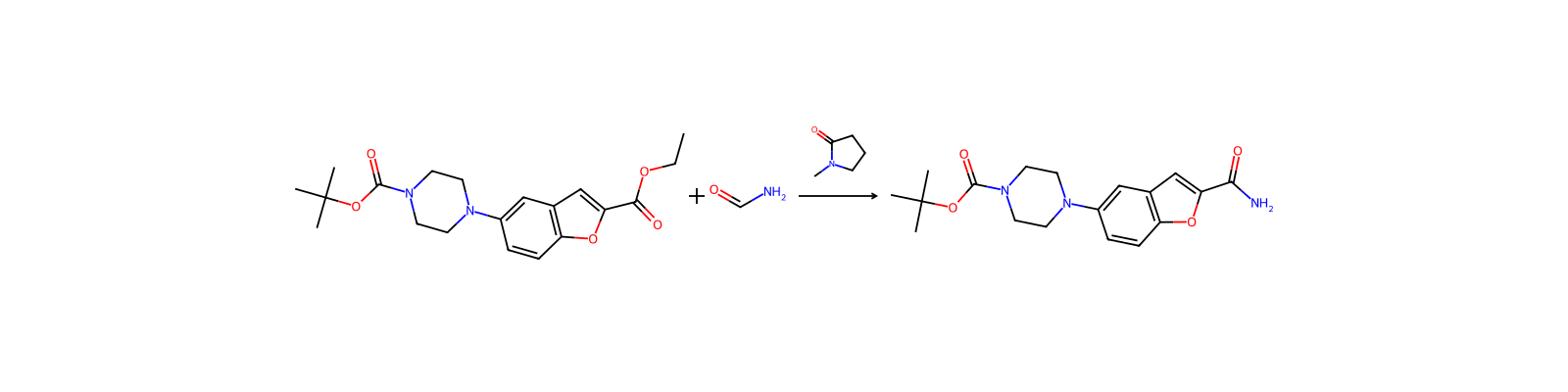
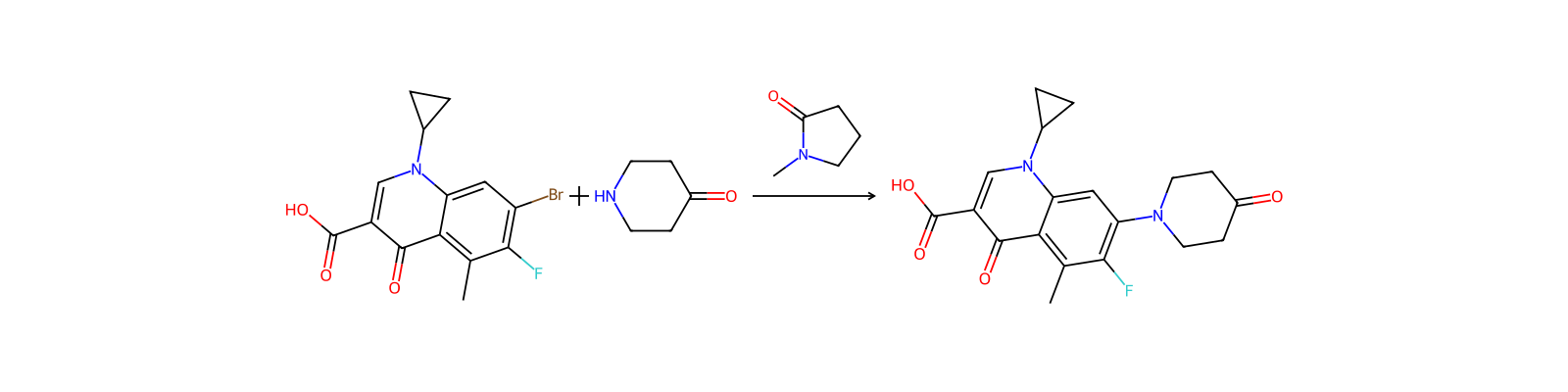
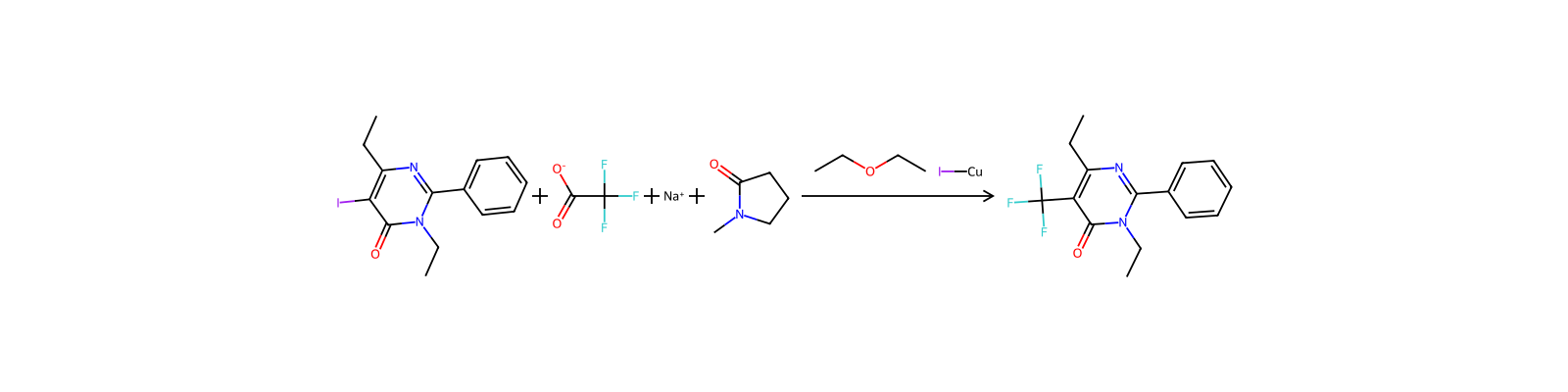
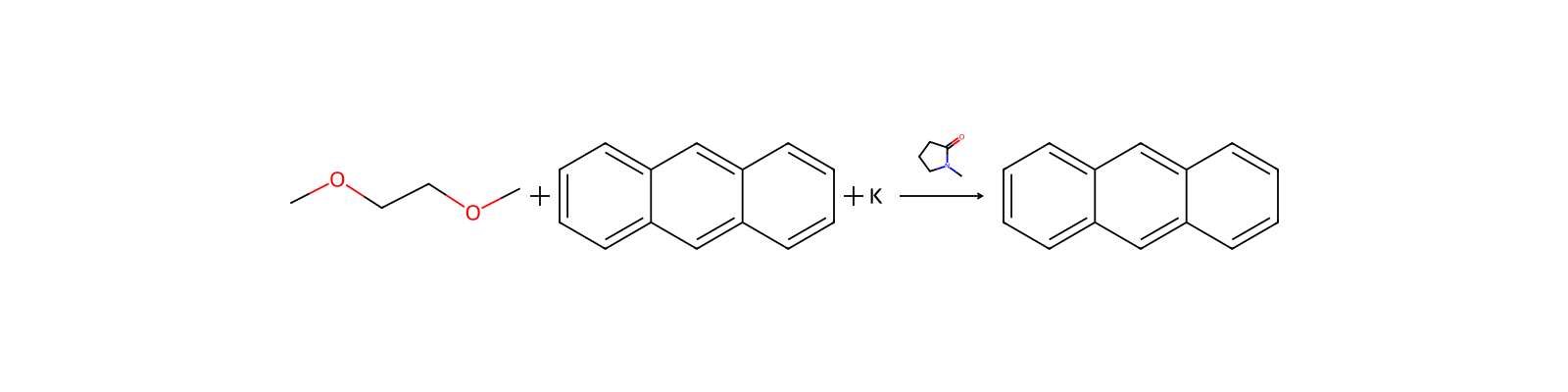
16,013 records



Linked notes
Loading…