HomeMCPWorkbenchSkills
HomeWorkbenchNotificationsMe
llms.txt · MCP GuidePrivacy Policy · Terms of Service · Supportv1.8.3
  1. Home
  2. /Reaction

Ethanol → Ethyl pivalate

HRID 1413639
Print

Reaction equation

HRID 1413639 reaction equation
[C:1]([OH:7])(=[O:6])[C:2]([CH3:5])([CH3:4])[CH3:3].S(=O)(=O)(O)O.S([O-])([O-])(=O)=O.[Mg+2].[CH2:19](O)[CH3:20]>>[C:1]([O:7][CH2:19][CH3:20])(=[O:6])[C:2]([CH3:5])([CH3:4])[CH3:3]
ParticipantsProcedureWorkupSources & evidenceReaction notes

Participants

5

Reactant 4

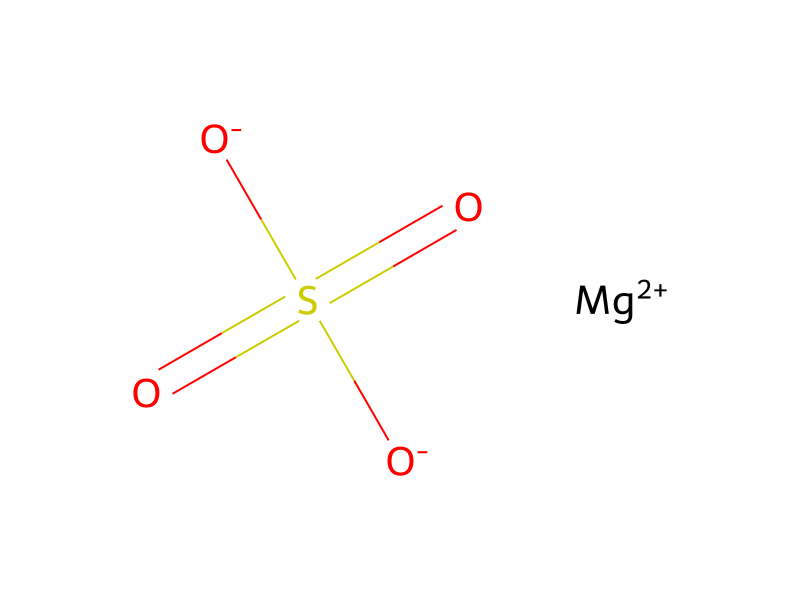
HCID 702EthanolHCID 1118Sulfuric AcidHCID 6417Pivalic acidHCID 24083Sulfuric acid magnesium salt (1:1)

Product 1

HCID 19838Ethyl pivalateYield 77%

Procedure

Absolute ethanol (1035 ml) was added to 306 grams of neopentanoic acid (Exxon) in a flask fitted with a heating mantle and a reflux condenser. To this mixture was slowly added 65 ml of concentrated sulfuric acid (Mallinckrodt). The mixture was then heated under reflux for three hours. Heating was discontinued and the hot mixture was extracted with 4 liters of a 10% sodium carbonate solution. The organic layer which separated was collected and dried overnight with magnesium sulfate. It was then filtered and purified by distillation at atmospheric pressure. A low heat was first applied in order to collect a fraction at a temperature of 73° C. consisting principally of ethanol. When the head temperature began to drop, the heat was raised and a second fraction, consisting of ethyl pivalate was collected from 108°-111° C. This pure ethyl pivalate (yield about 77%) was then dried over magnesium sulfate.

Workup

  1. customfitted with a heating mantle and a reflux condenser
  2. temperatureThe mixture was then heated
  3. temperatureunder reflux for three hours
  4. temperatureHeating
  5. extractionthe hot mixture was extracted with 4 liters of a 10% sodium carbonate solution
  6. customThe organic layer which separated
  7. customwas collected
  8. dry with materialdried overnight with magnesium sulfate
  9. filtrationIt was then filtered
  10. distillationpurified by distillation at atmospheric pressure
  11. temperatureA low heat
  12. customto collect a fraction at a temperature of 73° C.
  13. temperaturethe heat was raised
  14. customwas collected from 108°-111° C

Sources & evidence

ORD record
ord-57144150264e4b4e9990a5484658303c
Source dataset
uspto-grants-1981_02
DOI
10.6084/m9.figshare.5104873.v1
Patent number
US04251233

Reaction notes

On this pageParticipantsProcedureWorkupSources & evidenceReaction notes