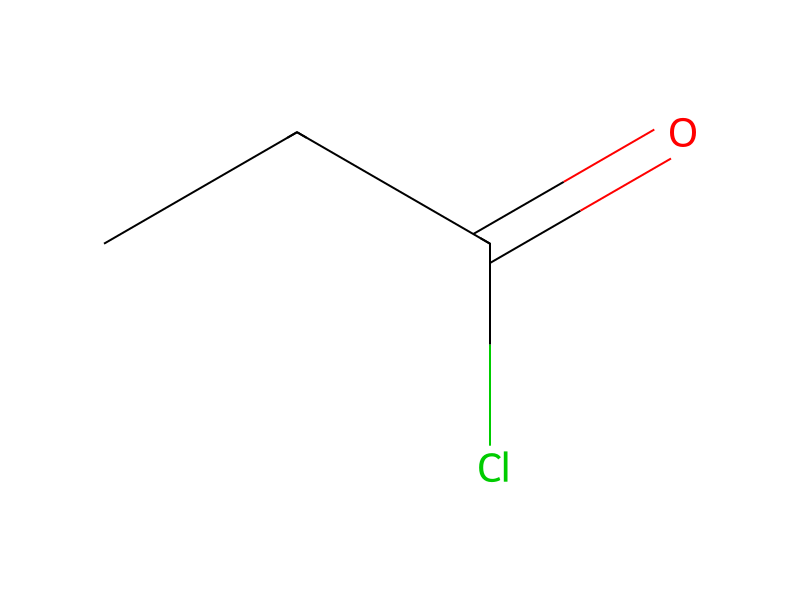
[CH:1]1([C:4]([C:11]2[CH:16]=[CH:15][CH:14]=[CH:13][CH:12]=2)([OH:10])[CH2:5][CH2:6][N:7]([CH3:9])[CH3:8])[CH2:3][CH2:2]1.C(=O)([O-])[O-].[K+].[K+].C(Cl)(Cl)[Cl:24].[C:27](Cl)(=[O:30])[CH2:28][CH3:29]>O>[ClH:24].[CH:1]1([C:4]([C:11]2[CH:12]=[CH:13][CH:14]=[CH:15][CH:16]=2)([O:10][C:27](=[O:30])[CH2:28][CH3:29])[CH2:5][CH2:6][N:7]([CH3:8])[CH3:9])[CH2:3][CH2:2]1A stirred mixture of 6 g. (0.027 mole) of 1-cyclopropyl-3-dimethylamino-1-phenyl-1-propanol and 20 g. (0.14 mole) of potassium carbonate in 25 ml. of chloroform was treated at 0° C. with 3 g. (0.032 mole) of freshly distilled propionyl chloride in 25 ml. of chloroform over a ten-minute period. The mixture was allowed to warm to room temperature and stirring was continued for 24 hours. The reaction mixture was treated with 50 ml. of water and stirring was continued another 30 minutes. The chloroform layer was separated, dried over magnesium sulfate and evaporated under reduced pressure to an oil. An ether solution of the oil was treated with ethereal hydrogen chloride. The salt was recrystallized from isopropanol-isopropyl ether mixture (yield was 4.2 g. (50%); m.p. 162°-164° C.). The analytical sample melted at 166°-168° C.