HomeMCPWorkbenchSkills
HomeWorkbenchNotificationsMe
llms.txt · MCP GuidePrivacy Policy · Terms of Service · Supportv1.8.3
  1. Home
  2. /Reaction

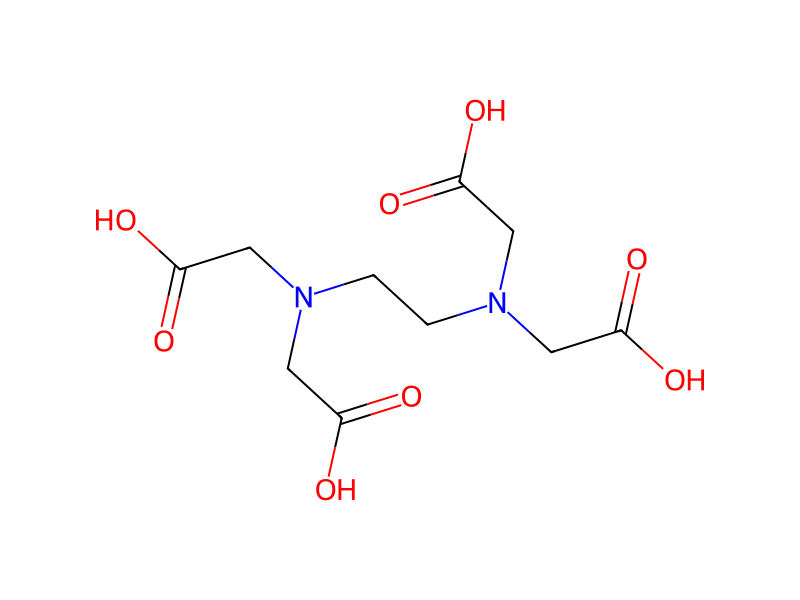
Ethylenediaminetetraacetic Acid → 3-Hydroxy-2-naphthoic acid

HRID 1414835
Print

Reaction equation

HRID 1414835 reaction equation
[CH:1]1[C:10]2[C:5](=[CH:6][CH:7]=[CH:8][CH:9]=2)[CH:4]=[CH:3][C:2]=1[OH:11].[OH-].[Na+].[OH-].[K+].C1C(C(N)=O)=CN(C2OC(COP(OP(OCC3OC(N4C5N=CN=C(N)C=5N=C4)C(OP([O-])([O-])=O)C3O)([O-])=O)([O-])=O)C(O)C2O)C=C1.[Na+].[Na+].[Na+].[Na+].C(N(CC(O)=O)CC(O)=O)CN(CC(O)=O)C[C:72]([OH:74])=[O:73]>>[OH:11][C:2]1[C:3]([C:72]([OH:74])=[O:73])=[CH:4][C:5]2[C:10](=[CH:9][CH:8]=[CH:7][CH:6]=2)[CH:1]=1
ParticipantsProcedureWorkupSources & evidenceReaction notes

Participants

6

Reactant 5

HCID 6049Ethylenediaminetetraacetic AcidHCID 86632-NaphtholHCID 14797Potassium HydroxideHCID 14798Sodium HydroxideHCID 12598259beta-NADPH

Product 1

HCID 71043-Hydroxy-2-naphthoic acidYield 74%

Procedure

An autoclave equipped with stirrer is charged with 1,240 parts of β-naphthol, 608 parts of aqueous sodium hydroxide solution (50% strength by weight), 27 parts of aqueous potassium hydroxide solution (85% strength by weight) and 12 parts of the tetrasodium salt of ethylenediaminetetraacetic acid (dissolved in 50 parts of water). The charge is mixed thoroughly under nitrogen and heated until the internal temperature reaches 260° C. 520 parts of 2-hydroxy-naphthalene-3-carboxylic acid (corresponding to 74% of theory, based on β-naphthol converted) are obtained analogously to Example 1. The proportion of resin formed is 11 mole percent, based on β-naphthol employed. 700 parts of β-naphthol are recovered.

Workup

  1. customAn autoclave equipped with stirrer
  2. additionThe charge is mixed thoroughly under nitrogen
  3. temperatureheated until the internal temperature
  4. customreaches 260° C

Sources & evidence

ORD record
ord-1bee5b8bb4bc44dfabede97266695dd4
Source dataset
uspto-grants-1977_01
DOI
10.6084/m9.figshare.5104873.v1
Patent number
US04002675

Reaction notes

On this pageParticipantsProcedureWorkupSources & evidenceReaction notes

