

Basic information
- Standard SMILES
Oc1ccc2ccccc2c1- InChIKey
JWAZRIHNYRIHIV-UHFFFAOYSA-N- Molecular formula
- C10H8O
- Average molar mass
- 144.17 g/mol
- Monoisotopic mass
- 144.05751488
Overview
2-naphthol is a naphthol carrying a hydroxy group at position 2. It has a role as an antinematodal drug, a radical scavenger, a genotoxin, a mouse metabolite, a human xenobiotic metabolite and a human urinary metabolite.
Names & identifiers
- Preferred name
- 2-Naphthol
- IUPAC
- naphthalen-2-ol
- English name
- naphthol
- Molecular formula
- C10H8O
- Molecular weight
- 144.17
Names & synonyms
2-NAPHTHOLnaphthalen-2-ol135-19-32-Naphthalenolbeta-naphtholBetanaphthol2-HydroxynaphthaleneIsonaphtholDeveloper ADeveloper BNNaphthol B2-Naphtol
Show more names
NaphthalenolMaceni
beta-HydroxynaphthaleneAzogen developer Abeta-Naphtolbeta-NaptholDeveloper AMS2-Naftolo2-NaftolDeveloper sodium
Database identifiers
- CAS
1321-67-1、135-19-3- PubChem CID
- 8663
- DTXSID
DTXSID5027061- ChEMBL
CHEMBL14126- ChEBI
CHEBI:10432- UNII
- P2Z71CIK5H
- EC Number
- 205-182-7
- Nikkaji
- J2.530E
Properties
Computed structural properties
- XLogP
- 2.7
- Topological polar surface area
- 20.2 Ų
- Hydrogen bond donors
- 1
- Hydrogen bond acceptors
- 1
- Rotatable bonds
- 0
- Heavy atoms
- 11
- Formal charge
- 0
- Complexity
- 133
Experimental & physicochemical properties
Chemical ClassesOther Classes -> Naphthols
SpringerMaterials Properties13C nuclear magnetic resonance spectrum
LogP
log Kow = 2.70
2.70
2.7
2.75
OdorFaint phenol-like odor
Density
1.28 g/cu cm at 20 °C
1.28 g/cm³
0.581 @ 0°C
Color/FormWhite, lustrious, bulky leaflets or white powder. Darkens with age
Solubility
In water, 7.55X10+2 mg/L at 25 °C
Soluble in alcohol, ether, chloroform, glycerol, oils, alkaline solutions
Very soluble in ethanol, ethyl ether; soluble in benzene, chloroform; slightly soluble in ligroin
1 gram dissolves in 1000 mL water, 80 mL boiling water, 0.8 mL alcohol, 17 mL chloroform, 1.3 mL ether
755 mg/L @ 25 °C (exp)
Solubility in water, g/100ml at 25 °C: 0.074
Flash Point
152.7 °C
153 °C
153 °C (307 °F) (Closed cup)
307 °F (153 °C) (Closed cup)
153 °C
Endocrine DisruptorsPotential endocrine disrupting compound
Boiling Point
285 °C
285.00 to 286.00 °C. @ 760.00 mm Hg
285 °C
286 °C @760 [mm Hg]
Melting Point
121.6 °C
123 °C
122 °C
Vapor DensityRelative vapor density (air = 1): 5
Physicochemical properties
- Melting point
- 122.5 °C · 122.5°C
- Boiling point
- 390.57 °C · 390.57°C (rough estimate)
- Density
- 1.217 · 1.2170
- refractive index
- 1.758 · 1.7580 (estimate)
- EPA Substance Registry System
- Naphthol (1321-67-1)
Safety & regulation
GHS classification
GHS Classification
Warning
H302: Harmful if swallowed [Warning Acute toxicity, oral]
P261, P264, P270, P271, P273, P301+P317, P304+P340, P317, P330, P391, and P501 (click each P-code to see the statement)
Danger
H302+H332 (55%): Harmful if swallowed or if inhaled [Warning Acute toxicity, oral; acute toxicity, inhalation]
P261, P264, P264+P265, P270, P271, P272, P273, P280, P301+P317, P302+P352, P304+P340, P305+P354+P338, P317, P321, P330, P333+P317, P362+P364, P391, and P501 (click each P-code to see the statement)
Hazard information
Regulatory Information
Chemical: 2-Naphthalenol
2-Naphthalenol is listed on the EPA's Chemical Data Reporting (CDR) system. Manufacturers and importers of 2-Naphthalenol are required to report information about their production and use of this chemical to the EPA under the Toxic Substances Control Act (TSCA). (40 eCFR Part 711)
Status: Active Update: 05-07-2022 https://echa.europa.eu/registration-dossier/-/registered-dossier/26470
2-Naphthol: Does not have an individual approval but may be used under an appropriate group standard
Other Safety InformationIMAP assessments - 2-Naphthalenol: Human health tier I assessment
Fire HazardsCombustible. Finely dispersed particles form explosive mixtures in air.
Fire PotentialFlammability potential is slight.
Hazards Summary
A severe eye irritant; May cause skin sensitization; The substance may have effects on the kidneys, blood and eyes, resulting in kidney impairment, anaemia and lens opacities. [ICSC] Emergency medical treatment: see Phenol. [HSDB] An irritant; May cause injury to eyes; May be absorbed through skin resulting in kidney injury; [MSDSonline]
EC ClassificationSymbol: Xn, N; R: 20/22-50; S: (2)-24/25-61
UN ClassificationUN Hazard Class: 9; UN Pack Group: III
Atmospheric Standards
This action promulgates standards of performance for equipment leaks of Volatile Organic Compounds (VOC) in the Synthetic Organic Chemical Manufacturing Industry (SOCMI). The intended effect of these standards is to require all newly constructed, modified, and reconstructed SOCMI process units to use the best demonstrated system of continuous emission reduction for equipment leaks of VOC, considering costs, non air quality health and environmental impact and energy requirements. 2-naphthol is produced, as an intermediate or a final product, by process units covered under this subpart.
Physical DangersDust explosion possible if in powder or granular form, mixed with air.
NFPA Hazard Classification
0 - Materials that, under emergency conditions, would offer no hazard beyond that of ordinary combustible materials.
1 - Materials that must be preheated before ignition can occur. Materials require considerable preheating, under all ambient temperature conditions, before ignition and combustion can occur.
0 - Materials that in themselves are normally stable, even under fire conditions.
Toxic Combustion ProductsSpecial hazards arising from the substance or mixture: Carbon oxides.
Hazard Classes and Categories
Acute Tox. 4 (99.9%)
Acute toxicity - category 4
Acute toxicity (Oral) - Category 4
Acute toxicity (Oral) - Category 4
Serious eye damage/eye irritation - Category 1
Acute Tox. 4 *
Safety & protection
Fire FightingUse water spray, powder, foam, carbon dioxide.
First Aid Measures
Fresh air, rest.
Rinse and then wash skin with water and soap.
First rinse with plenty of water for several minutes (remove contact lenses if easily possible), then refer for medical attention.
Rinse mouth. Give one or two glasses of water to drink. Refer for medical attention .
Safe StorageStore in an area without drain or sewer access.
Firefighting HazardsCombustible when exposed to heat or flame.
Fire Fighting Procedures
Suitable extinguishing media: Use water spray, alcohol-resistant foam, dry chemical or carbon dioxide.
Advice for firefighters: Wear self contained breathing apparatus for fire fighting if necessary.
Storage ConditionsConditions for safe storage, including any incompatibilities: Keep container tightly closed in a dry and well-ventilated place. Light sensitive.
Cleanup Methods
Accidental Release Measures. Personal precautions, protective equipment and emergency procedures: Use personal protective equipment. Avoid dust formation. Avoid breathing vapours, mist or gas. Ensure adequate ventilation. Evacuate personnel to safe areas. Avoid breathing dust. Environmental precautions: Prevent further leakage or spillage if safe to do so. Do not let product enter drains. Discharge into the environment must be avoided. Methods and materials for containment and cleaning up: Pick up and arrange disposal without creating dust. Sweep up and shovel. Keep in suitable, closed containers for disposal.
Disposal Methods
SRP: The most favorable course of action is to use an alternative chemical product with less inherent propensity for occupational harm/injury/toxicity or environmental contamination. Recycle any unused portion of the material for its approved use or return it to the manufacturer or supplier. Ultimate disposal of the chemical must consider: the material's impact on air quality; potential migration in soil or water; effects on animal and plant life; and conformance with environmental and public health regulations.
Mix with flammable solvent and atomize into an incinerator.
Waste treatment methods. Product: Offer surplus and non-recyclable solutions to a licensed disposal company. Contact a licensed professional waste disposal service to dispose of this material. Contaminated packaging: Dispose of as unused product.
Spillage Disposal
Personal protection: particulate filter respirator adapted to the airborne concentration of the substance. Sweep spilled substance into covered containers. If appropriate, moisten first to prevent dusting. Do NOT let this chemical enter the environment.
Preventive Measures
SRP: The scientific literature for the use of contact lenses by industrial workers is inconsistent. The benefits or detrimental effects of wearing contact lenses depend not only upon the substance, but also on factors including the form of the substance, characteristics and duration of the exposure, the uses of other eye protection equipment, and the hygiene of the lenses. However, there may be individual substances whose irritating or corrosive properties are such that the wearing of contact lenses would be harmful to the eye. In those specific cases, contact lenses should not be worn. In any event, the usual eye protection equipment should be worn even when contact lenses are in place.
Precautions for safe handling: Avoid contact with skin and eyes. Avoid formation of dust and aerosols. Provide appropriate exhaust ventilation at places where dust is formed.
Appropriate engineering controls: Handle in accordance with good industrial hygiene and safety practice. Wash hands before breaks and at the end of workday.
Gloves must be inspected prior to use. Use proper glove removal technique (without touching glove's outer surface) to avoid skin contact with this product. Dispose of contaminated gloves after use in accordance with applicable laws and good laboratory practices. Wash and dry hands.
Eye PreventionWear safety goggles or eye protection in combination with breathing protection if powder.
Fire PreventionNO open flames. Closed system, dust explosion-proof electrical equipment and lighting. Prevent deposition of dust.
Toxicology
Body Burden
2-Naphthol was detected in the urine of fish consumers at concentrations of 4.4, 1.6 and 5.1 ppb from fish from Lake Michigan, Lake Huron, and Lake Erie, respectively(1). 2-Naphthol was detected with 1-naphthol at a concentration of 0.72 ug/L in amniotic fluid(2). 2-Naphthol was detected at a mean concentration of 7.85 ppb in urine collected from adults in the United States(3).
Ecotoxicity Values
LC50; Species: Daphnia magna (Water Flea) age 24 hr, juvenile, first instar; Conditions: freshwater, static, 19.5-20.5 °C; Concentration: 3540 ug/L for 48 hr (95% confidence interval: 3170-3950 ug/L)
LC50; Species: Micropterus salmoides (Largemouth Bass) eggs and larvae; Conditions: freshwater, flow through, 20.2-23.2 °C, pH 7.41-8.10, hardness 86.8-116.3 mg/L CaCO3, dissolved oxygen 7.1-8.4 mg/L; Concentration: 1000 ug/L for 7 days (95% confidence interval: 290-2270 ug/L)
LC50; Species: Micropterus salmoides (Largemouth Bass) embryo; Conditions: freshwater, flow through, 20.2-23.2 °C, pH 7.4-8.1, hardness 86.8-116.3 mg/L CaCO3, dissolved oxygen 7.1-8.4 mg/L; Concentration: 6360 ug/L for 72 hr (95% confidence interval: 5850-6910 ug/L)
LC50; Species: Oncorhynchus mykiss (Rainbow Trout) embryo; Conditions: freshwater, flow through, 13.3-14.2 °C, pH 7.4-8.1, hardness 86.8-116.3 mg/L CaCO3, dissolved oxygen 8.6-10.2 mg/L; Concentration: 80 ug/L for 23 days (95% confidence interval: 60-100 ug/L)
For more Ecotoxicity Values (Complete) data for 2-NAPHTHOL (6 total), please visit the HSDB record page.
Environmental Fate
TERRESTRIAL FATE: Based on a classification scheme(1), an estimated Koc value of 390(SRC), determined from a log Kow of 2.7(2) and a regression-derived equation(3), indicates that 2-naphthol is expected to have moderate mobility in soil(SRC). The pKa of 2-naphthol is 9.51(4), indicating that this compound will exist partially in the anion form in the environment and anions do not generally adsorb more strongly to soils containing organic carbon and clay than their neutral counterparts(5). Volatilization of 2-naphthol from moist soil surfaces is not expected to be an important fate process for the neutral species(SRC) given a Henry's Law constant of 2.74X10⁻⁸ atm-cu m/mole(6). Using a Chernozem soil inoculum, 2-naphthol was persistent for more than 30 days(7), indicating that biodegradation is not an important environmental fate process in soil(SRC).
AQUATIC FATE: Based on a classification scheme(1), an estimated Koc value of 390(SRC), determined from a log Kow of 2.7(2) and a regression-derived equation(3), indicates that 2-naphthol is not expected to adsorb to suspended solids and sediment(SRC). Volatilization of the neutral species from water surfaces is not expected(4) based upon a Henry's Law constant of 2.74X10⁻⁸ atm-cu m/mole(5). According to a classification scheme(6), an estimated BCF of 28(SRC), from its log Kow and a regression-derived equation(3), suggests the potential for bioconcentration in aquatic organisms is low(SRC). Utilizing the Japanese MITI test, 68.4% of the Theoretical BOD was reached in 2 weeks(7) indicating that biodegradation is an important environmental fate process in water(SRC).
ATMOSPHERIC FATE: According to a model of gas/particle partitioning of semivolatile organic compounds in the atmosphere(1), 2-naphthol, which has an extrapolated vapor pressure of 3.2X10⁻⁴ mm Hg at 25 °C(2), is expected to exist solely as a vapor in the ambient atmosphere. Vapor-phase 2-naphthol is degraded in the atmosphere by reaction with photochemically-produced hydroxyl radicals(SRC); the half-life for this reaction in air is estimated to be 0.17 days(SRC), calculated from its rate constant of 1.70X10⁻¹⁰ cu cm/molecule-sec at 25 °C(3). 2-Naphthol absorbs light at wavelengths >290 nm(4) and, therefore, may be susceptible to direct photolysis by sunlight(SRC).
Adverse EffectsSkin Sensitizer - An agent that can induce an allergic reaction in the skin.
Exposure RoutesThe substance can be absorbed into the body by inhalation of its aerosol, through the skin and by ingestion.
Toxicity Summary
IDENTIFICATION AND USE: 2- Naphthol is a white, bulky leaflets or white powder with faint phenol-like odor. The principal uses for 2-naphthol are in the dyes and pigments industries, eg, as a coupling component for azo dyes, and to make important intermediates, such as 3-hydroxy-2-naphthalenecarboxylic acid (BON) and its anilide (naphthol AS), 2-naphtholsulfonic acids, aminonaphtholsulfonic acids, and 1-nitroso-2-naphthol. The major pharmaceutical products based on 2-naphthol are the antifungal tolnaftate, produced by reaction with thiophosgene and N-methyl-m-toluidine; the semisynthetic penicillin nafcillin, produced via 2-ethoxynaphthalene; and the anti-inflammatory naproxen, produced via 2-methoxynaphthalene. It is also was used as a counterirritant in alopecia, also as an anthelmintic, and as an antiseptic in treatment of scabies. HUMAN EXPOSURE AND TOXICITY: The extensive application of 2-naphthol ointments has been responsible for systemic side effects, including vomiting and death. Ingestion can produce renal damage, vomiting, diarrhea, abdominal pain, syncope, convulsions, and hemolytic anemia. Twenty patients who were treated for scabies by rubbing 50 g of a salve containing 7.5% 2-naphthol over the whole body morning and evening for 2 days were reported to have developed hyperemia of the fundus and many had very small white and pigmented spots in the retina. Vitreous opacities were noticed in two cases. Only in one case was abnormality of the lens observed, and this was only a dot in the posterior cortex. Visual acuity was reported to be impaired in two cases, but neither of these had normal eyes before the treatment. ANIMAL STUDIES: Experimentally in rabbits the most consistent ocular change induced by admin 2-naphthol either by stomach or by application to the skin was a development in the retina of small white shiny flecks which soon became pigmented. These became more numerous and increased in size as daily admin of the chemical continued. The retinal vessels and the iris commonly became hyperemic. The aqueous was sometimes slightly turbid, and the vitreous commonly became turbid early, but then cleared despite continuing admin of naphthol. The cornea and conjunctiva were never involved. The other study reported that in the retinas of poisoned adult rabbits spotty degeneration of the rods and cones and irregular variation in the amt of pigment in the pigment epithelium were observed. Vacuoles were present in the nuclear and nerve fiber layer and the ciliary epithelium. When 2-naphthol was administered to pregnant rabbits, the offspring had congenital cataracts, degeneration of the neuroepithelium, and hypertrophy of the retinal pigment cells. An in vivo study was conducted of the biochemical pathways modulating the cataractogenicity of naphthalene. Male mice were treated with naphthalene or its metabolites and with various chemical probes that modulate critical biochemical pathways relevant to naphthalene bioactivation and detoxification. No cataractogenic or lethal effects from 2-naphthol were noted at dose levels of 56 or 100 mg/kg; however doses of 177 and 562 mg/kg killed all the animals within 1.5 hr. ECOTOXICITY STUDIES: As test systems, fish embryos and larvae were the most sensitive, juvenile fathead minnows and arthropods had intermediate sensitivity and algae and snails were the most resistant to the test compounds.
Ecotoxicity Excerpts
/AQUATIC SPECIES/ Structure-toxicity relationships were investigated for six organic contaminants, representative of three chemical classes, likely to be found in coal conversion process waters and effluents. Using embryo-larval stages of the rainbow trout (Salmo gairdneri) and largemouth bass (Micropterus salmoides), continuous-flow toxicity tests were performed on hydroxylated aromatic hydrocarbons (phenol, beta-naphthol), azaarenes (quinoline, acridine), and polycyclic aromatic hydrocarbons (naphthalene, phenanthrene). Exposure was initiated at fertilization and maintained through 4 days post-hatching. Median lethal concentrations (LC50), based on combined frequencies of embryo-larval mortality and teratogenesis, were used to rank the toxicity of the compounds to each fish species. With the trout, the order of decreasing toxicity was phenanthrene (0.04 mg/L), beta-naphthol (0.07 mg/L), naphthalene (0.11 mg/L), phenol (0.15 mg/L), acridine (0.32 mg/L) and quinoline (11.0 mg/L). The toxicological ranking with the bass was phenanthrene (0.18 mg/L), naphthalene (0.51 mg/L), acridine (1.02 mg/L), beta-naphthol (1.77 mg/L), phenol (2.80 mg/L) and quinoline (7.50 mg/L). For each class of compounds, the chemical with the greater number of aromatic rings always exerted the greater toxicity. In tests with both fish species, beta-naphthol (two rings) was about twice as toxic as phenol (one ring), and phenanthrene (three rings) was nearly three times more toxic than naphthalene (two rings). Acridine (three rings) was seven times more toxic to bass and 34 times more toxic to trout than was quinoline (two rings). This relationship between ring number and toxicity was in excellent agreement with results from acute tests on the same compounds. Furthermore, a close correlation existed between toxicity and n-octanol:water partition coefficients within each class of compounds.
/AQUATIC SPECIES/ In acute toxicity tests green algae Selenastrum capricornutum, diatoms Nitzschia palea, adult snails Physa gyrina, juvenile cladocerans Daphnia magna, larval midges Chironomus tentans, adult amphipods Gammarus minus, juvenile fathead minnows Pimephales promelas and embryo larva stages of rainbow trout Salmo gairdneri and largemouth bass Micropterus salmoides were exposed for 4 hr (algae), 48 hr (arthropods and snails), 96 hr (fathead minnows), 7 days (largemouth ) bass and 27 days (rainbow trout) to 2 phenols (phenol and beta-naphthol), 2 azaarenes (quinoline and acridine) and 2 polycyclic aromatic hydrocarbons (naphthalene and phenanthrene) present in coal derived oils. LC50 or EC50 (median effective concentrations) ranged from 0.03 mg/L for phenanthrene and rainbow trout to 286.54 mg/L for phenol and the green alga. The rainbow trout embryo larva assay was the most sensitive of the test systems to all the chemicals except quinoline. For this last compound, systems with juvenile fathead minnows and largemouth bass embryos were the more sensitive. As test systems, fish embryos and larvae were the most sensitive, juvenile fathead minnows and arthropods had intermediate sensitivity and algae and snails were the most resistant to the test compounds under the test conditions. Within each chemical class, (phenols, azaarenes and polycyclic aromatic hydrocarbons) toxicity increased with increased ring number except for the reversed relationship with the azaarenes and fathead minnows. beta-Naphthol (2 rings) was 2-45 times more toxic than phenol (1 ring); acridine (3 rings) was 7-27 times more toxic than quinoline (2 rings); and phenanthrene (3 rings) was 3-9 times more toxic than naphthalene (2 rings). There was a relationship between increases in toxicity and increases in the calculated octanol-water partition coefficients of the compounds.
Signs and Symptoms
Cough. Sore throat.
Redness. Pain. Blurred vision.
Abdominal pain. Nausea. Vomiting. Diarrhoea.
Ongoing Test Status
EPA has released the first beta version (version 0.5) of the Interactive Chemical Safety for Sustainability (iCSS) Dashboard. The beta version of the iCSS Dashboard provides an interactive tool to explore rapid, automated (or in vitro high-throughput) chemical screening data generated by the Toxicity Forecaster (ToxCast) project and the federal Toxicity Testing in the 21st century (Tox21) collaboration. /The title compound was tested by ToxCast and/or Tox21 assays; See the data in Chemical Explorer/[USEPA; ICSS Dashboard Application; Available from, as of June 27, 2014: http://actor.epa.gov/dashboard/]
Effluent Concentrations
2-Naphthol was detected in the effluents of timber products industry at 559 ng/uL extract and in the effluent of printing and publishing industries at 56 ng/uL extract(1). 2-Naphthol was also detected, not quantified in wastewater from the textile industry(2).
2-Naphthol was detected in the emissions from the combustion of scrap tires in a horizontal laboratory scale reactor at 650, 750 and 850 degrees Celsius at yields of 200, 79 and 6 mg/kg scrap tire, respectively(1). 2-Naphthol was detected in the emissions of a woodheater at 5.77 mg/kg dry wood burned with fully open airflow, 18 mg/kg dry wood burned with half-closed airflow, and 9.58 mg/kg dry wood burned with closed airflow in a S1 heater; 2-naphthol was also detected at 2.51, 5.68 and 10.7 mg/kg wood burned with an open, halfway closed and closed airflow, respectively, in a S2 heater(2).
ICSC Environmental DataThe substance is very toxic to aquatic organisms.
Soil Adsorption/Mobility
The Koc of 2-naphtol is estimated as 390(SRC), using a log Kow of 2.7(1) and a regression-derived equation(2). According to a classification scheme(3), this estimated Koc value suggests that 2-naphthol is expected to have moderate mobility in soil. The pKa of 2-naphthol is 9.51(4), indicating that this compound will exist partially in the anion form in the environment and anions generally do not adsorb more strongly to soils containing organic carbon and clay than their neutral counterparts(5).
Regulatory information
Atmospheric Standards
This action promulgates standards of performance for equipment leaks of Volatile Organic Compounds (VOC) in the Synthetic Organic Chemical Manufacturing Industry (SOCMI). The intended effect of these standards is to require all newly constructed, modified, and reconstructed SOCMI process units to use the best demonstrated system of continuous emission reduction for equipment leaks of VOC, considering costs, non air quality health and environmental impact and energy requirements. 2-naphthol is produced, as an intermediate or a final product, by process units covered under this subpart.
Chemistry & industry
Pharmacology
Metabolism/Metabolites
Several pathways of drug metabolizing enzyme activity were measured in hepatic fractions of cattle, sheep, goats, chickens, turkeys, ducks, rabbits and rats. The pathways examined included the O-demethylation of p-nitrophenol, microsomal ester hydrolysis of procaine and glucuronidation of p-nitrophenol, and the cytosolic acetylation of sulfamethazine and sulfation of 2-naphthol. For most enzymatic pathways measured, goats were more similar to sheep (wether) than to cattle (steers). The exception was UDP-glucuronyltransferase activity, which was significantly higher for the goat than for any other species studied. Within the avian subset, the chicken and turkey were usually the most similar species. The activities of arylsulfotransferase isozymes III and IV were particularly low for the duck compared to the chicken and turkey. N-acetyltransferase activity was very high for rabbits and very low for sheep and goats.
Several pathways of drug metabolizing enzymic activity were measured in hepatic fractions of the channel catfish and rat using model substrates. The pathways examined included the O-demethylation of p-nitroanisole, microsomal ester hydrolysis of procaine and glucuronidation of p-nitrophenol and the cytosolic acetylation of sulfamethazine and sulfation of 2-naphthol. Catfish liver preparations were incubated at both 25 °C and 37 °C. The oxidative metabolism of p-nitrophenol was only 1/8 of that of the rat at 37 °C and 1/12 that of the rat at 25 °C. Procaine ester hydrolysis was negligible in catfish microsomal preparations. At 37 °C, p-nitrophenol glucuronidation was equivalent in catfish and rat microsomes. Catfish cytosolic preparations exhibited N-acetyltransferase and arylsulfotransferase nearly comparable to those of the rat. Rates of glucuronidation and sulfation were higher at 37 °C than at 25 °C in hepatic fractions of the catfish.
To characterize the substrate specificities of various isozymes of carboxylesterases, a series of carbonates, thiocarbonates, carbamates, and carboxylic acid esters containing alpha- or beta-naphthol or p-nitrophenol as leaving groups were tested as substrates of human, rat and mouse liver microsomal esterases; hydrolases A and B from rat liver microsomes were also tested. The carbonates, thiocarbonates, and carboxylic esters of alpha-naphthol were cleaved more rapidly than the corresponding beta-naphthol isomers by the mammalian liver esterases. The majority of the substrates was consistently hydrolyzed at higher rates by hydrolase B compared with hydrolase A. Compared with the corresponding carboxylates, the carbonate moiety of alpha- and beta-naphthol and p-nitrophenol lowered the specific activities of the enzymes by about 5 fold but improved stability under basic conditions. Human and mouse liver microsomal esterase activities were 5 orders of magnitude lower than the esterase activities of hydrolase B. The functional group and lipophilicity of the substrate structure influenced the activity of mammalian esterases.
The inhibition of hydroxysteroid-sulfotransferase (ST) activity in the rat liver by alkylamines was investigated. Liver homogenates were prepared from Wistar rats, and cytosolic fractions were obtained. ST activities towards dehydroepiandrosterone (DHEA), androsterone (AS), and 2-naphthol (2NA) were assayed. Cytosolic fractions were fractionated by column chromatography. Triethylamine, which was used as an elution solvent for column chromatography to purify chemically synthesized 3-phosphoadenosine-5-phosphosulfate (PAPS) inhibited androgen sulfation with AS and DHEA, but did not affect ST activities with cortisol and 2-NA. The sulfate donor ability of various PAPS preparations were compared. Fourteen primary, secondary, and tertiary amines were examined for inhibitory actions on ST activities towards DHEA, cortisol, and 2-NA. A secondary amine, di-n-butylamine, and three tertiary amines, triethylamine, tri-n-propylamine and tri-n-butylamine, inhibited DHEA ST activity by 40 to 60%, irrespective of sex. However, 2-NA and cortisol ST activities were not affected to any significant extent. Lineweaver Burk plots with partially purified hydroxysteroid ST indicated that the inhibition by triethylamine fitted a noncompetitive inhibition. The /results/ conclude that glucocorticoid ST appears to be distinct from the hydroxysteroid ST, and that this has implications for the inhibition of human liver ST activities by synthetic steroids and tertiary amines given as drugs.
For more Metabolism/Metabolites (Complete) data for 2-NAPHTHOL (8 total), please visit the HSDB record page.
2-Naphthol is a known human metabolite of naphthalene.
Absorption, Distribution and ExcretionBetween 5 and 10% of a cutaneous dose /of 2-naphthol/ has been recovered from the urine ... .
Cellular LocationsMembrane
Uses & manufacturing
Uses
Used to make dyes, pigments, fungicides, insecticides, pharmaceuticals, and perfumes; Also used as antioxidants for rubber, fats, and oils; as an antiseptic; for lubrication of steam turbines, electric motors, hydraulic equipment, and instruments; and formerly as an anthelmintic; [HSDB] Also used as an additive in electroplating, developer in dyeing and printing of fabrics, in tanneries, and in the paints-lacquers-varnishes industry; [IUCLID]
Electroplating [Category: Plate]
MEDICATION
For 2-naphthol (USEPA/OPP Pesticide Code: 010301) there are 0 labels match. /SRP: Not registered for current use in the U.S., but approved pesticide uses may change periodically and so federal, state and local authorities must be consulted for currently approved uses./
The principal uses for 2-naphthalenol are in the dyes and pigments industries, eg, as a coupling component for azo dyes, and to make important intermediates, such as 3-hydroxy-2-naphthalenecarboxylic acid (BON) and its anilide (naphthol AS), 2-naphtholsulfonic acids, aminonaphtholsulfonic acids, and 1-nitroso-2-naphthol.
Antioxidants for ... fats, oils; insecticides; synthesis of fungicides; ... antiseptic.
U.S. Production
2023: 1,000,000 - <5,000,000 lb
2-Naphthalenol is listed as a High Production Volume (HPV) chemical (65FR81686). Chemicals listed as HPV were produced in or imported into the U.S. in >1 million pounds in 1990 and/or 1994. The HPV list is based on the 1990 Inventory Update Rule. (IUR) (40 CFR part 710 subpart B; 51FR21438).
Production volume for non-confidential chemicals reported under the 2006 Inventory Update Rule. Chemical: 2-Naphthalenol. Aggregated National Production Volume: 1 to < 10 million pounds.
Non-confidential 2012 Chemical Data Reporting (CDR) information on the production and use of chemicals manufactured or imported into the United States. Chemical: 2-Naphthalenol. National Production Volume: 1,000,000 - 10,000,000 lb/yr.
Consumer UsesPigment
Industry UsesPigment
Methods of Manufacturing
2-Naphthol is produced by caustic fusion of naphthalene-2-sulfonic acid. Typically, the sodium salt of the sulfonic acid is added gradually to 50% sodium hydroxide liquor at 300 °C; the melt is then heated further at 320 °C in a gas-fired iron vessel with vigorous agitation. After completion of the reaction, the melt is run into excess water, possibly including filtrate from the previous batch at a proven tolerable level, and the naphtholate solution is neutralized to pH 8 with dilute sulfuric acid. If the temperature is maintained at >100 °C during neutralization, the crude product comes out of solution as an oil, which is separated, washed with hot water, and distilled under vacuum to give pure 2-naphthol. The molten material is processed through a flaker to give the final product for packaging. The fusion yield is about 80% of the theoretical value, resulting in an overall yield of 70% based on naphthalene.
... Alkylation and isomerization are carried out up to 240 °C with a phosphoric acid catalyst. Final catalytic oxidation at 90 - 110 °C gives the hydroperoxide, which is cleaved with dilute sulfuric acid to give 2-naphthol in high overall yield in spite of modest oxidation conversion.
By fusing sodium beta-naphthalene sulfonate with caustic soda. Product is distilled in vacuo and then sublimed.
Formulations/PreparationsGrade: Technical, sublimed, resublimed
General Manufacturing Information
Synthetic Dye and Pigment Manufacturing
2-Naphthalenol: ACTIVE
Suppliers9 total
苏州市森菲达化工有限公司18796480002 18796480002 · [email protected]
Zhejiang J&C Biological Technology Co.,Limited+1-2135480471 · [email protected]
Wuhan Qiami Technology Co., Ltd[email protected]
湖北鑫源顺医药化工有限公司13971561712, 13995564702, 027-50664929 · [email protected]
XIAMEN AMITY INDUSTRY AND TRADE CO., LTD.+8618950047208 · [email protected]
广州市禄涞医药科技有限公司13660253774 · [email protected]
DAYANG CHEM (HANGZHOU) CO.,LTD+86-88938639 +86-17705817739 · [email protected]
Hefei TNJ Chemical Industry Co.,Ltd.+86-0551-65418671 +86-189 4982 3763 · [email protected]
Shaanxi Dideu Medichem Co. Ltd+86-17392712779 · [email protected]
Additional notes
DefinitionChEBI: 1-naphthol is a naphthol carrying a hydroxy group at position 1. It has a role as a genotoxin and a human xenobiotic metabolite.
Related reactions
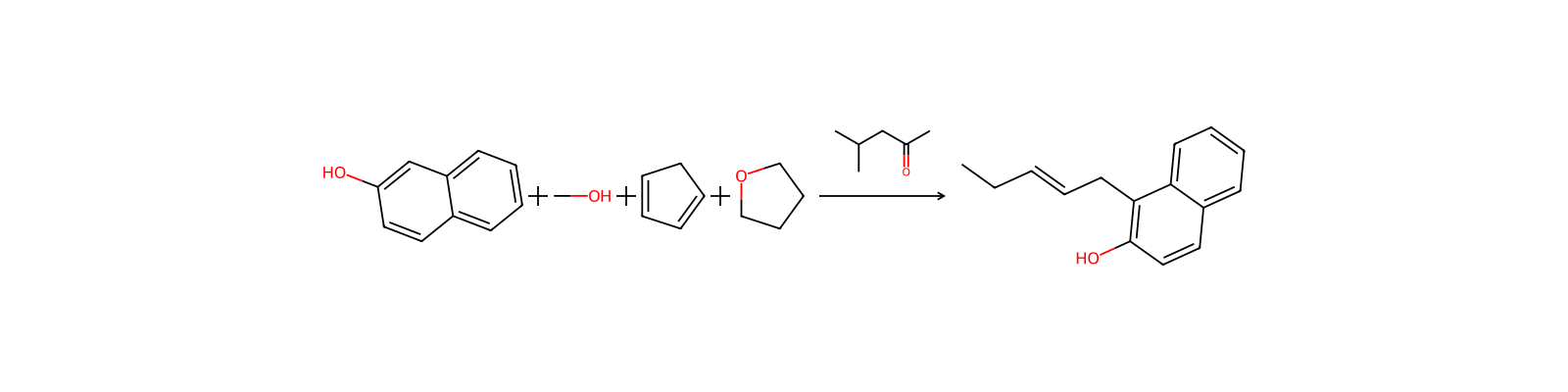
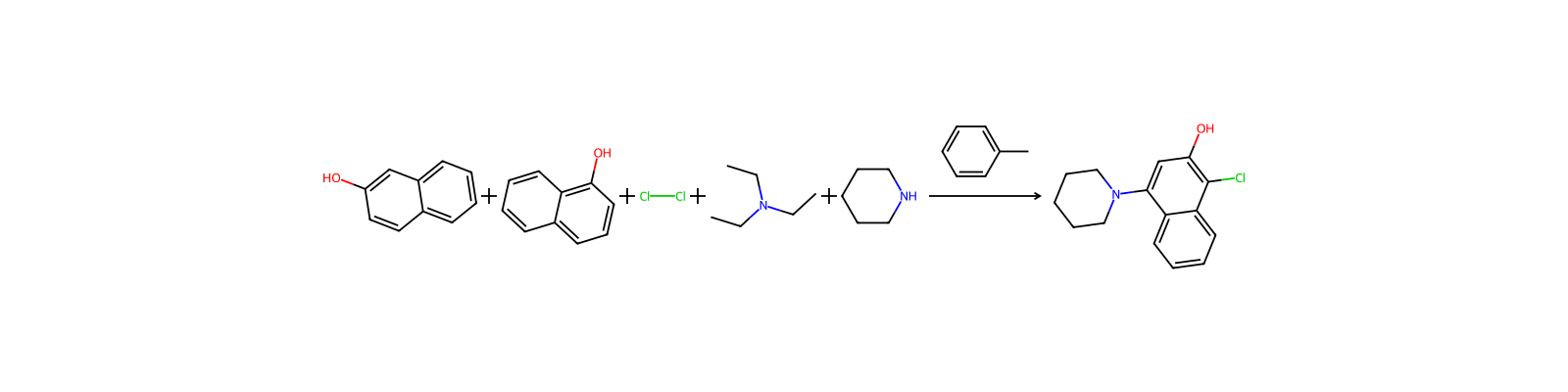
401 records



Linked notes
Loading…