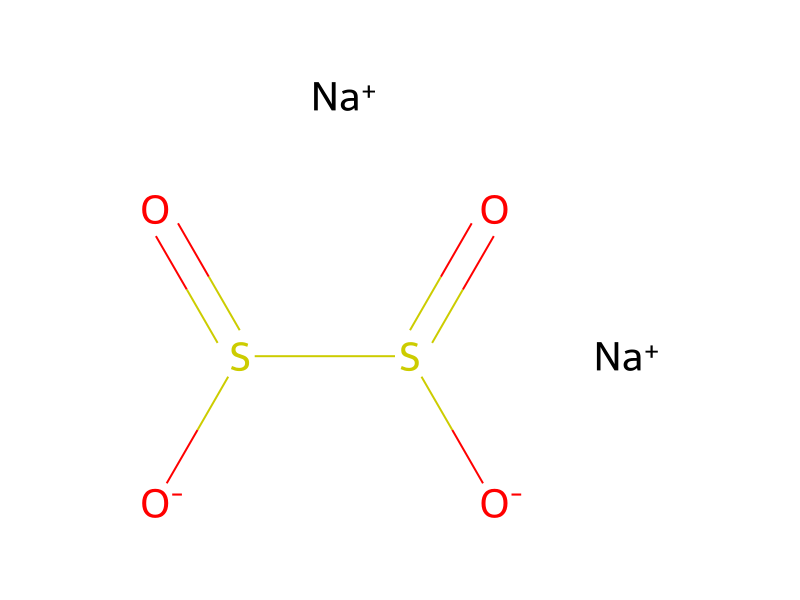
S(S([O-])=O)([O-])=O.[Na+].[Na+].C(=O)([O-])[O-].[K+].[K+].[C:15]([C:17]1[CH:18]=[C:19]([CH:33]=[CH:34][CH:35]=1)[O:20][C:21]1[CH:26]=[CH:25][C:24]([N+:27]([O-])=O)=[C:23]([N+:30]([O-])=O)[CH:22]=1)#[CH:16]>O.CO>[C:15]([C:17]1[CH:18]=[C:19]([CH:33]=[CH:34][CH:35]=1)[O:20][C:21]1[CH:26]=[CH:25][C:24]([NH2:27])=[C:23]([NH2:30])[CH:22]=1)#[CH:16]To a rapidly stirred solution containing 41 g (230 mmoles) of sodium hydrosulfite and 32 g (230 mmoles) of potassium carbonate dissolved in 250 ml of water was added dropwise a solution containing 6.7 g (23.4 mmoles) of 4-(3-ethynylphenoxy)-o-dinitrobenzene dissolved in 50 ml of methanol. The reaction mixture changed from black to white within several minutes after the addition. The white solution was evaporated in vacuo at 50° C to remove the methanol. The remaining aqueous solution was then extracted with several 50 ml portions of methylene chloride. The combined extracts were washed with one 50 ml portion of water, dried over molecular sieves and evaporated to dryness to yield 4.45 g (85%) of 4-(3-ethynylphenoxy)-o-phenylenediamine in the form of a colorless oil.
Loading…