HomeMCPSkillsWorkbenchOpenChem
HomeWorkbenchNotificationsMe
llms.txt · skill.md · MCP GuidePrivacy Policy · Terms of Service · Supportv1.8.4
  1. Home
  2. /Reaction

4-Methylmorpholine → N-Boc-L-methionine sulfone L-proline-O-benzyl ester

HRID 1418419
Print

Reaction equation

[CH3:1][C:2]([O:5][C:6]([NH:8][C@H:9]([C:16]([OH:18])=[O:17])[CH2:10][CH2:11][S:12]([CH3:15])(=[O:14])=[O:13])=[O:7])([CH3:4])[CH3:3].C1C=CC2N(O)N=NC=2C=1.C1CCC(N=C=NC2CCCCC2)CC1.Cl.[CH2:45]([O:52][C:53](=[O:59])[C@@H:54]1[CH2:58][CH2:57][CH2:56][NH:55]1)[C:46]1[CH:51]=[CH:50][CH:49]=[CH:48][CH:47]=1.CN1CCOCC1>ClCCl>[CH3:4][C:2]([O:5][C:6]([NH:8][C@H:9]([C:16]([OH:18])=[O:17])[CH2:10][CH2:11][S:12]([CH3:15])(=[O:14])=[O:13])=[O:7])([CH3:1])[CH3:3].[CH2:45]([O:52][C:53](=[O:59])[C@@H:54]1[CH2:58][CH2:57][CH2:56][NH:55]1)[C:46]1[CH:47]=[CH:48][CH:49]=[CH:50][CH:51]=1

ParticipantsProcedureWorkupSources & evidenceReaction notes

Participants

7

Reactant 5

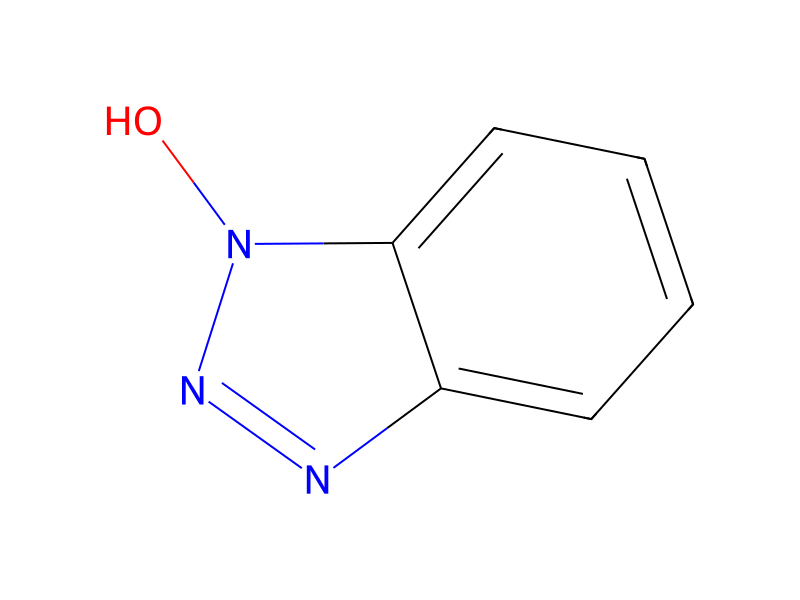
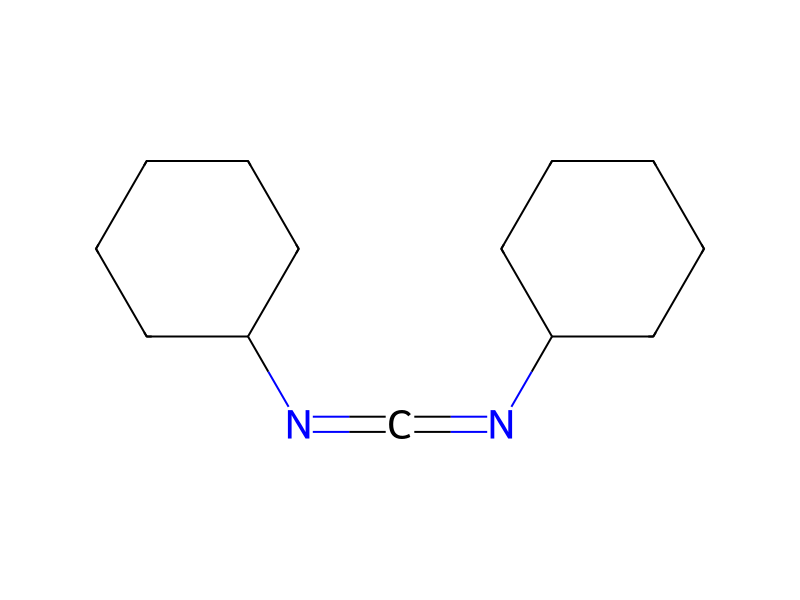
HCID 79724-MethylmorpholineHCID 10868DicyclohexylcarbodiimideHCID 757711-HydroxybenzotriazoleHCID 2733413Proline benzyl ester hydrochlorideHCID 7017894(S)-2-((tert-butoxycarbonyl)amino)-4-(methylsulfonyl)butanoic acid

Product 1

HCID 131720087
N-Boc-L-methionine sulfone L-proline-O-benzyl ester

Reagents, catalysts & solvents 1

HCID 6344DichloromethaneSolvent

Procedure

N-Boc-L-methionine sulfone-L-proline-O-benzyl ester was prepared by adding to a solution of N-Boc-L-methionine sulfone (14.0 g, 50.0 mmole) in dichloromethane (150 mL) at 0° C., HOBt (10.1 g, 75 mmole) followed by DCC (11.33 g, 55.0 mmole). The mixture was stirred for 10 minutes, and then L-proline benzyl ester hydrochloride salt (50.0 mmole, 12.0 g) was added followed by NMM (100 mmole, 10.9 mL). The resulting mixture was stirred in an ice bath and allowed to come to room temperature over 12 hours. The mixture was filtered to remove dicyclohexylurea and ethyl acetate (300 mL) was added. The organic phase was then added to a separatory funnel and washed with saturated aqueous sodium bicarbonate, brine and then 1M aqueous HCl. The organic phase was dried over magnesium sulfate and then filtered. The organic phase was then reduced on a rotary evaporator under vacuum and then on a high vacuum line to remove traces of solvent to provide 23.5 g of a white solid (100%). Rf=0.34 (silica, 5:95 methanol/chloroform).

Workup

  1. stirringThe resulting mixture was stirred in an ice bath
  2. waitto come to room temperature over 12 hours
  3. filtrationThe mixture was filtered
  4. customto remove dicyclohexylurea and ethyl acetate (300 mL)
  5. additionwas added
  6. additionThe organic phase was then added to a separatory funnel
  7. washwashed with saturated aqueous sodium bicarbonate, brine
  8. dry with materialThe organic phase was dried over magnesium sulfate
  9. filtrationfiltered
  10. customThe organic phase was then reduced on a rotary evaporator under vacuum
  11. customon a high vacuum line to remove traces of solvent

Sources & evidence

ORD record
ord-16e92469f9324c4b93cebc86cbf7115d
Source dataset
uspto-grants-1999_03
DOI
10.6084/m9.figshare.5104873.v1
Patent number
US05883107

Reaction notes

On this pageParticipantsProcedureWorkupSources & evidenceReaction notes