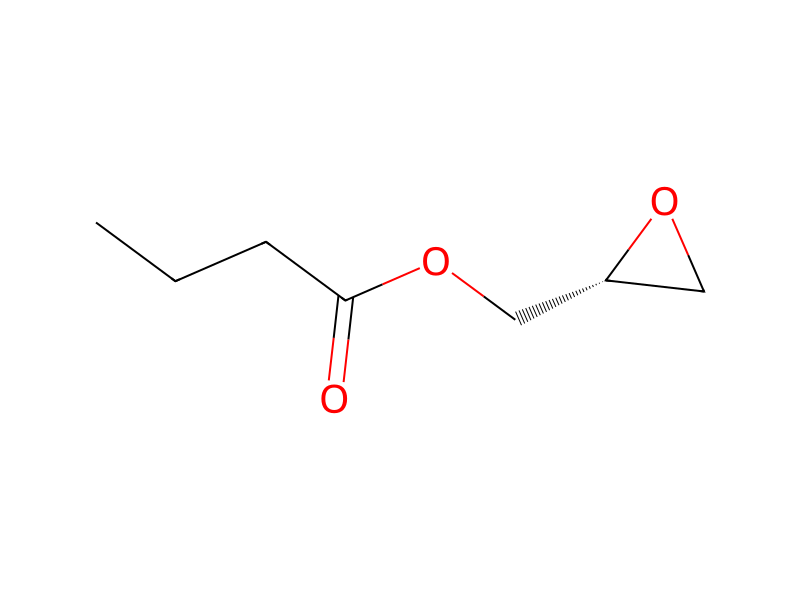
[C:1]([NH:11][C:12]1[CH:17]=[CH:16][C:15]([N:18]2[CH2:21][CH:20]([O:22][Si:23]([C:26]([CH3:29])([CH3:28])[CH3:27])([CH3:25])[CH3:24])[CH2:19]2)=[C:14]([F:30])[CH:13]=1)([O:3]CC1C=CC=CC=1)=[O:2].[C:31](OC[C@@H]1OC1)(=[O:35])[CH2:32][CH2:33]C>O1CCCC1>[Si:23]([O:22][CH:20]1[CH2:19][N:18]([C:15]2[CH:16]=[CH:17][C:12]([N:11]3[CH2:33][C@H:32]([CH2:31][OH:35])[O:3][C:1]3=[O:2])=[CH:13][C:14]=2[F:30])[CH2:21]1)([C:26]([CH3:27])([CH3:29])[CH3:28])([CH3:25])[CH3:24]A solution of N-(carbobenzyloxy)-4-[3-[(tert-butyldimethylsilyl)oxy]-1-azetidinyl]-3-fluoroaniline (6.30 g, 14.7 mmol) in dry tetrahydrofuran (100 mL) under a nitrogen atmosphere was cooled to -78° C. and treated with n-butylithium (9.16 mL of a 1.6M solution in hexanes, 14.7 mmol). When the addition was complete, the reaction mixture was stirred at -78° C. for 15 min and then treated with (R)-glycidyl butyrate (2.21 mL, 14.7 mmol). After completion of the addition, the cooling bath was removed and the reaction mixture allowed to stir at ambient temperature for 1.5 h. After this time, saturated aqueous ammonium chloride (20 mL) was added. After 3 min, saturated aqueous sodium bicarbonate (10 mL) was added to the reaction mixture and the organic solvent removed by rotary evaporation under reduced pressure. Dichloromethane (100 mL) was added and the mixture washed with water and brine. The organic layer was dried over sodium sulfate, filtered and concentrated in vacuo. Chromatography over silica gel (200 g), eluting with a gradient of 1-3% methanol/chloroform, afforded, after concentration of appropriate fractions, 4.39 g (75%) of the title compound as an off-white solid with mp 183°-186° C. and MS(EI) 396 (M+).