HomeMCPWorkbenchSkills
HomeWorkbenchNotificationsMe
llms.txt · MCP GuidePrivacy Policy · Terms of Service · Supportv1.8.3
  1. Home
  2. /Reaction

Triethylamine → (Z)-(S)-4-[(S)-1-(2,6-difluoropyridin-3-yl)ethyl]-2-[1-[3-methoxy-4-(4-methyl-1H-imidazol-1-yl)phenyl]methylidene]-6-methylmorpholin-3-one

HRID 1436104
Print

Reaction equation

HRID 1436104 reaction equation
[Br-].C1([PH+](C2C=CC=CC=2)C2C=CC=CC=2)C=CC=CC=1.[F:21][C:22]1[C:27]([C@@H:28]([N:30]2[CH2:35][CH:34]([CH3:36])[O:33][C@H:32](O)[C:31]2=[O:38])[CH3:29])=[CH:26][CH:25]=[C:24]([F:39])[N:23]=1.C(N(CC)CC)C.[CH3:47][O:48][C:49]1[CH:50]=[C:51]([CH:54]=[CH:55][C:56]=1[N:57]1[CH:61]=[C:60]([CH3:62])[N:59]=[CH:58]1)[CH:52]=O>C(#N)C>[F:21][C:22]1[C:27]([C@@H:28]([N:30]2[CH2:35][C@H:34]([CH3:36])[O:33]/[C:32](=[CH:52]\[C:51]3[CH:54]=[CH:55][C:56]([N:57]4[CH:61]=[C:60]([CH3:62])[N:59]=[CH:58]4)=[C:49]([O:48][CH3:47])[CH:50]=3)/[C:31]2=[O:38])[CH3:29])=[CH:26][CH:25]=[C:24]([F:39])[N:23]=1

ParticipantsProcedureWorkupSources & evidenceReaction notes

Participants

6

Reactant 4

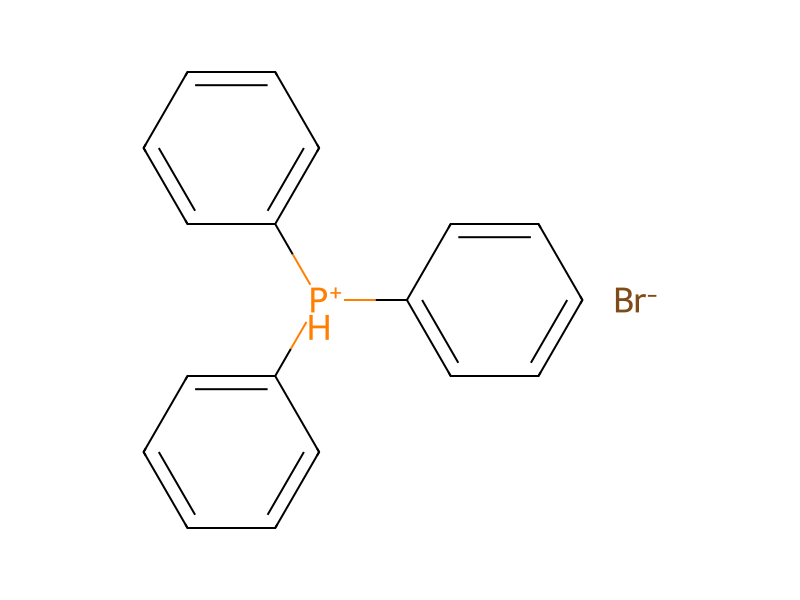
HCID 8471TriethylamineHCID 517696Triphenyl phosphonium bromideHCID 272824453-methoxy-4-(4-methyl-1H-imidazol-1-yl)benzaldehydeHCID 68717852(S)-4-[(S)-1-(2,6-difluoropyridin-3-yl)ethyl]-2-hydroxy-6-methylmorpholin-3-one

Product 1

HCID 16738921
(Z)-(S)-4-[(S)-1-(2,6-difluoropyridin-3-yl)ethyl]-2-[1-[3-methoxy-4-(4-methyl-1H-imidazol-1-yl)phenyl]methylidene]-6-methylmorpholin-3-one
Yield 56.6%

Reagents, catalysts & solvents 1

HCID 6342AcetonitrileSolvent

Procedure

Triphenylphosphonium bromide (6.52 g) was added to a solution of (S)-4-[(S)-1-(2,6-difluoropyridin-3-yl)ethyl]-2-hydroxy-6-methylmorpholin-3-one (4.3 g) in acetonitrile, and the reaction solution was heated under reflux for one hour. Triethylamine (5.28 mL) and 3-methoxy-4-(4-methyl-1H-imidazol-1-yl)benzaldehyde (3.42 g) were added to the reaction solution, which was then heated under reflux for 1.5 hours. The reaction solution was concentrated under reduced pressure, and the residue was diluted with 2 N aqueous hydrochloric acid and ethyl acetate. Then, the aqueous layer was separated. The organic layer was washed with 2 N aqueous hydrochloric acid. Then, the total aqueous layers were combined and made alkaline with a concentrated sodium hydroxide solution. The organic layer was separated by extraction from the alkaline solution with ethyl acetate, and then washed with saturated sodium bicarbonate. The organic layer was dried over anhydrous magnesium sulfate and concentrated under reduced pressure. The residue was purified by column chromatography using NH silica gel (heptane:ethyl acetate=1:1 to 0:100) to obtain 4.06 g of the title compound. The property values corresponded to those in Example 22.

Workup

  1. temperaturethe reaction solution was heated
  2. temperatureunder reflux for one hour
  3. temperaturewas then heated
  4. temperatureunder reflux for 1.5 hours
  5. concentrationThe reaction solution was concentrated under reduced pressure
  6. additionthe residue was diluted with 2 N aqueous hydrochloric acid and ethyl acetate
  7. customThen, the aqueous layer was separated
  8. washThe organic layer was washed with 2 N aqueous hydrochloric acid
  9. customThe organic layer was separated by extraction from the alkaline solution with ethyl acetate
  10. washwashed with saturated sodium bicarbonate
  11. dry with materialThe organic layer was dried over anhydrous magnesium sulfate
  12. concentrationconcentrated under reduced pressure
  13. customThe residue was purified by column chromatography

Sources & evidence

ORD record
ord-3e8eb5f27ad34f38812a23a9cd58caae
Source dataset
uspto-grants-2009_11
DOI
10.6084/m9.figshare.5104873.v1
Patent number
US07618960B2

Reaction notes

On this pageParticipantsProcedureWorkupSources & evidenceReaction notes
