Reaction equation

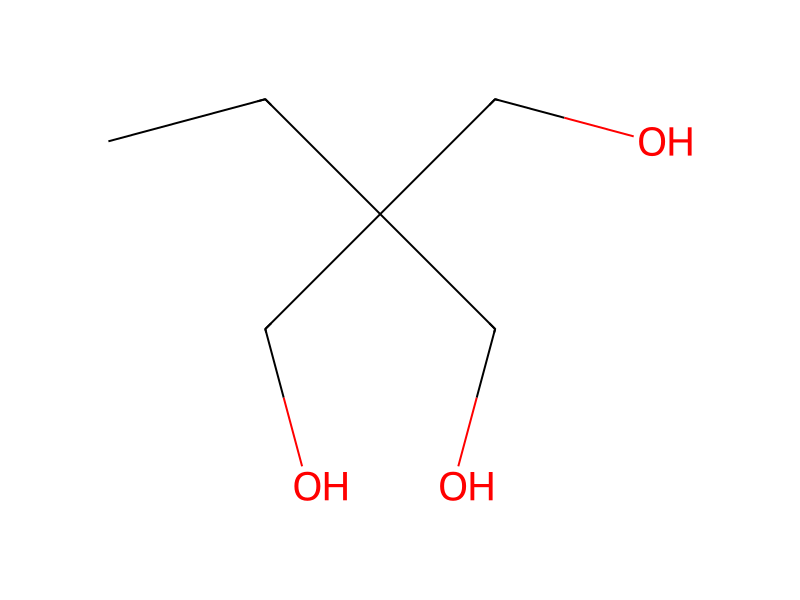
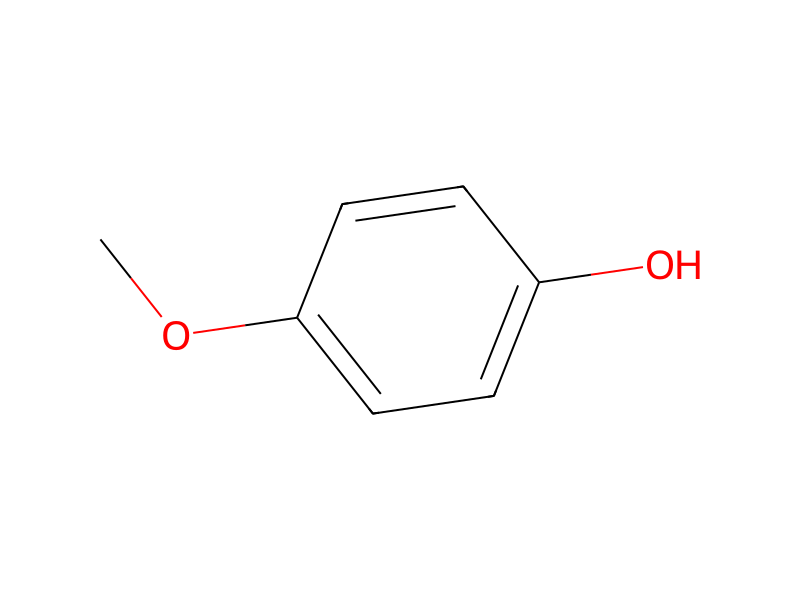
[CH2:1]([C:3]([CH2:8][OH:9])([CH2:6][OH:7])[CH2:4][CH3:5])[OH:2].[C:10]([OH:14])(=[O:13])[CH:11]=[CH2:12].COC1C=CC(O)=CC=1.C(OCC=C)(=O)[C:25]1[C:26](=CC=CC=1)[C:27]([O:29]CC=C)=[O:28]>O>[C:10]([OH:14])(=[O:13])[CH:11]=[CH2:12].[C:27]([OH:29])(=[O:28])[CH:26]=[CH2:25].[CH2:1]([C:3]([CH2:8][OH:9])([CH2:6][OH:7])[CH2:4][CH3:5])[OH:2]Participants
Reactant 4


Product 1

Reagents, catalysts & solvents 1

Procedure
2.68 kg of trimethylolpropane, 3.03 kg of acrylic acid, 0.5 kg of an acid ion exchanger (Lewatit 3333 of BAYER AG), 9 g of hydroquinone monomethyl ether and 1.5 liters of petroleum ether (boiling range 60° to 70° C) were heated under a water separator, whilst stirring, in a 10 liter three-necked flask equipped with a stirrer, water separator and gas inlet tube. At the same time, a constant stream of air was passed through the flask at about 2 liters/hour. Over the course of the entire reaction time of 72 hours, during which an acid number of 17 was reached, a total of 20 ml of diallyl phthalate was added dropwise to the reaction mixture. The petroleum ether was distilled off, remnants being removed by applying a vacuum of approx. 4 mm Hg at a product temperature of 40° C. The esterification catalyst was filtered off. The resulting trimethylolpropane diacrylate mixture was pale yellowish and clear. The viscosity corresponded to a time of outflow of 186 seconds, measured in a DIN cup 4, at 20° C.
Workup
- customequipped with a stirrer
- customOver the course of the entire reaction time of 72 hours
- distillationThe petroleum ether was distilled off
- customremnants being removed
- customat a product temperature of 40° C
- filtrationThe esterification catalyst was filtered off
- customcorresponded to a time of outflow of 186 seconds
- custommeasured in a DIN cup 4, at 20° C.
Sources & evidence
- ORD record
- ord-030ea17e9ed94786abf315118bdf74ae
- Source dataset
- uspto-grants-1977_11
- Patent number
- US04059721
Linked notes
Loading…