Ammonium Acetate → 2, 6-Diphenyl-3-pyridinecarboxylic acid ethyl ester
HRID 1440791
Reaction equation

[C:1]([CH:9]([CH2:15][CH2:16][C:17](=O)[C:18]1[CH:23]=[CH:22][CH:21]=[CH:20][CH:19]=1)[C:10]([O:12][CH2:13][CH3:14])=[O:11])(=O)[C:2]1[CH:7]=[CH:6][CH:5]=[CH:4][CH:3]=1.C([O-])(=O)C.[NH4+:29]>C(O)(=O)C>[C:2]1([C:1]2[C:9]([C:10]([O:12][CH2:13][CH3:14])=[O:11])=[CH:15][CH:16]=[C:17]([C:18]3[CH:23]=[CH:22][CH:21]=[CH:20][CH:19]=3)[N:29]=2)[CH:7]=[CH:6][CH:5]=[CH:4][CH:3]=1Participants
4
Reactant 2
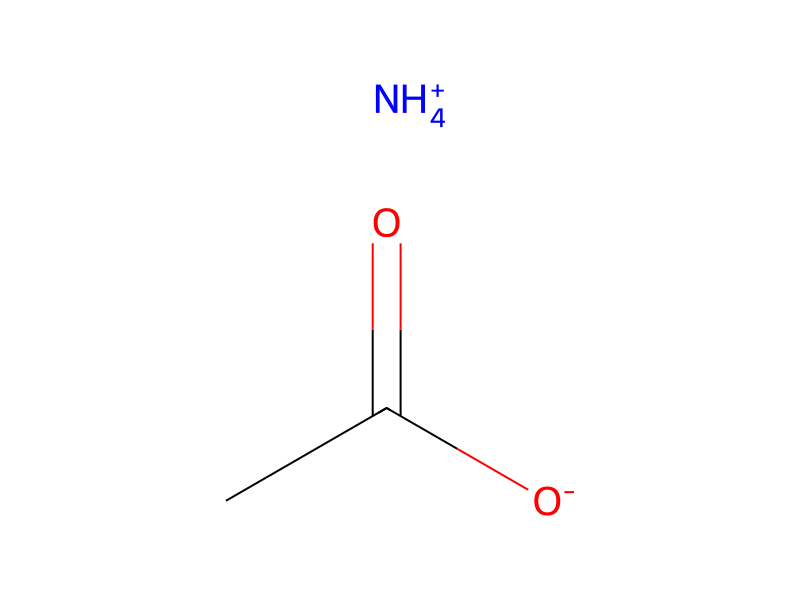

Product 1

Reagents, catalysts & solvents 1

Procedure
A mixture of 2.30 g of compound G, 8.20 g of ammonium acetate and 8.43 g of ferric chloride hexahydrate in 50 cc of acetic acid was heated under reflux for 7 hours. After cooling, the insoluble materials were removed by filtration through Celite and the filtrate was distilled to remove the solvent. The residue was adjusted to pH 8 with an aqueous sodium bicarbonate solution, and extracted three times with ethyl acetate. The combined organic layer was washed with a saturated aqueous sodium chloride solution and dried over magnesium sulfate. The solvent was distilled off and the crude product thus obtained was purified by a silica gel column chromatography (eluent: ethyl acetate/hexane=1/5) to obtain 1.98 g of compound H. Yield: 92.1%.