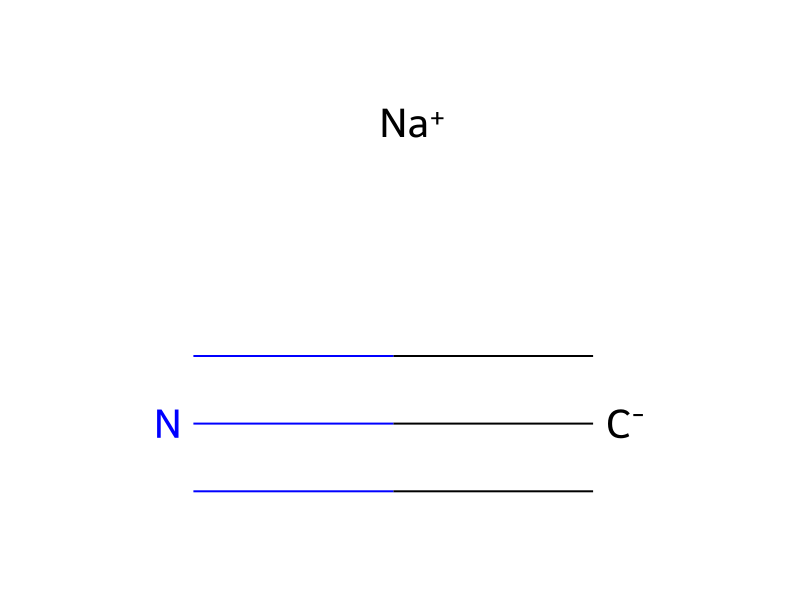
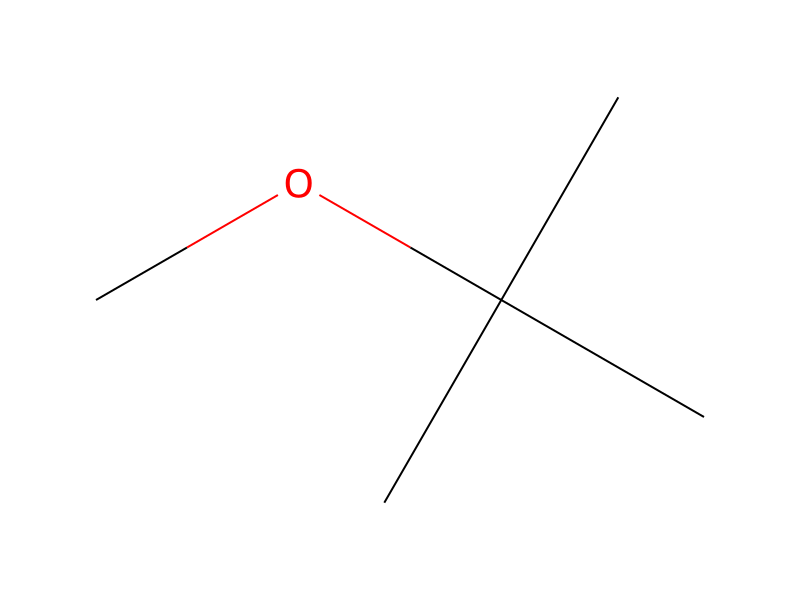
[CH2:1]([S:8][CH2:9]C(C1CC1)=O)[C:2]1[CH:7]=[CH:6][CH:5]=[CH:4][CH:3]=1.[C-]#N.[Na+].[C:18](=[O:21])([O-])[O-].[NH4+:22].[NH4+:23].[CH3:24][C:25](OC)([CH3:27])C.[CH2:30]([OH:32])[CH3:31]>O>[CH3:5][CH2:4][CH2:3][CH:2]([CH3:7])[CH3:1].[CH2:1]([S:8][CH2:9][N:22]1[CH:31]([CH:27]2[CH2:24][CH2:25]2)[C:30](=[O:32])[NH:23][C:18]1=[O:21])[C:2]1[CH:3]=[CH:4][CH:5]=[CH:6][CH:7]=12-Benzylsulfanyl-1-cyclopropyl-ethanone (27.55 g, 0.133 mol) was dissolved in ethanol (250 ml) and dispensed into 20×40 ml vials. Sodium cyanide (6.52 g, 0.133 mol) and ammonium carbonate (64 g, 0.667 mol) were dissolved in water (250 ml) and divided into the vials, which were then sealed and heated at 90° C. for 5 h behind a safety screen. After cooling to room temperature, the contents of the vials were combined, TBME was added, and the mixture was washed with water (×2), brine (×1), and then dried over sodium sulphate. Evaporation then gave the crude product (16.5 g, 45%). This material was absorbed onto silica and chromatographed (5×9.5 cm column of silica) eluting with iso-hexane to 50% ethyl acetate:iso-hexane to yield the title compound (11.81 g, 32.1%).