Iodonium, diphenyl-, bromide (1:1) → Phenyl benzoate
Reaction equation

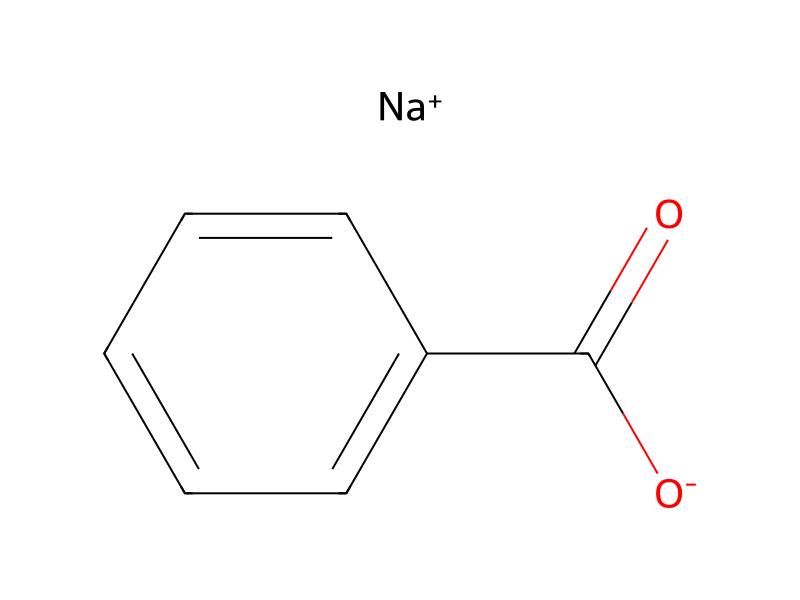
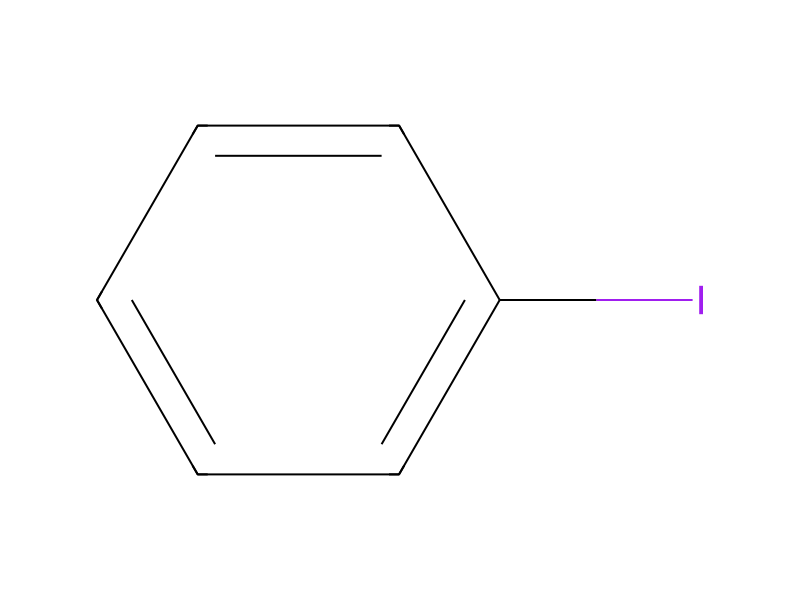
[Br-].[C:2]1([I+:8][C:9]2[CH:14]=[CH:13][CH:12]=[CH:11][CH:10]=2)[CH:7]=[CH:6][CH:5]=[CH:4][CH:3]=1.[C:15]([O-:23])(=[O:22])[C:16]1[CH:21]=[CH:20][CH:19]=[CH:18][CH:17]=1.[Na+]>>[C:15]([O:23][C:9]1[CH:10]=[CH:11][CH:12]=[CH:13][CH:14]=1)(=[O:22])[C:16]1[CH:21]=[CH:20][CH:19]=[CH:18][CH:17]=1.[C:2]1([I:8])[CH:7]=[CH:6][CH:5]=[CH:4][CH:3]=1Participants
4


Procedure
Diphenyliodonium bromide has been reacted with sodium benzoate to form phenyl benzoate and phenyl iodide, and the reaction has been found to be faster in strong bases. F. M. Beringer, et al., 75 J. Amer. Chem. Soc. 2708 (1963).
Sources & evidence
- ORD record
- ord-8cce7a82156f4b91b7b2eaa733fc1ca6
- Source dataset
- uspto-grants-1982_02
- Patent number
- US04316046
Reaction notes
Loading…