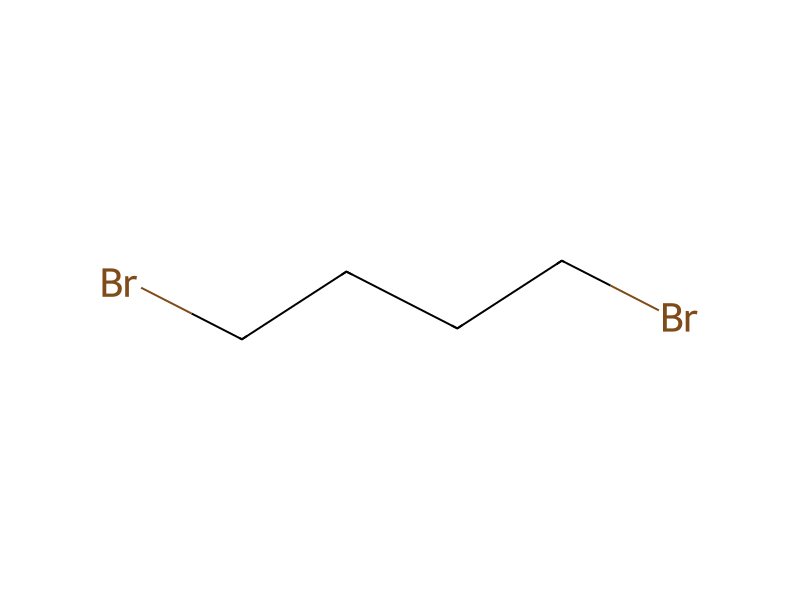
A reaction mixture consisting of the free base from 2.69 gm. (0.01 mole) of 4-amino-4-phenylcyclohexanone, ethylene ketal hydrochloride (prepared in Example 32, above) 2.16 gm. of 1,4-dibromobutane, 2.76 gm. potassium carbonate, and 15.0 ml. ethanol is heated at the reflux temperature, with stirring, for eighteen (18) hours. The volatile components are then substantially removed by evaporation under reduced pressure, and the concentrate thus obtained diluted with water. A precipitate forms which is collected on a filter and dissolved in diethyl ether. The ether solution is treated with an equivalent of 3 N hydrogen chloride in diethyl ether. A precipitate that forms is collected on a filter and recrystallized from a mixture of methylene chloride and ethyl acetate. There is thus obtained 1.57 gm. (49% yield) of 4-phenyl-4-(1-pyrrolidinyl)cyclohexanone, ethylene ketal hydrochloride having a melting range from 238° to 239.5° C.