Reaction equation

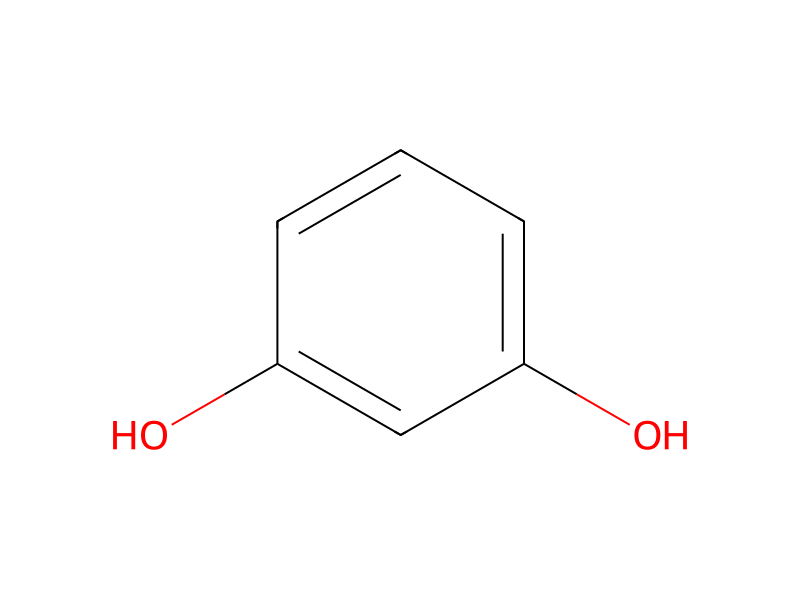
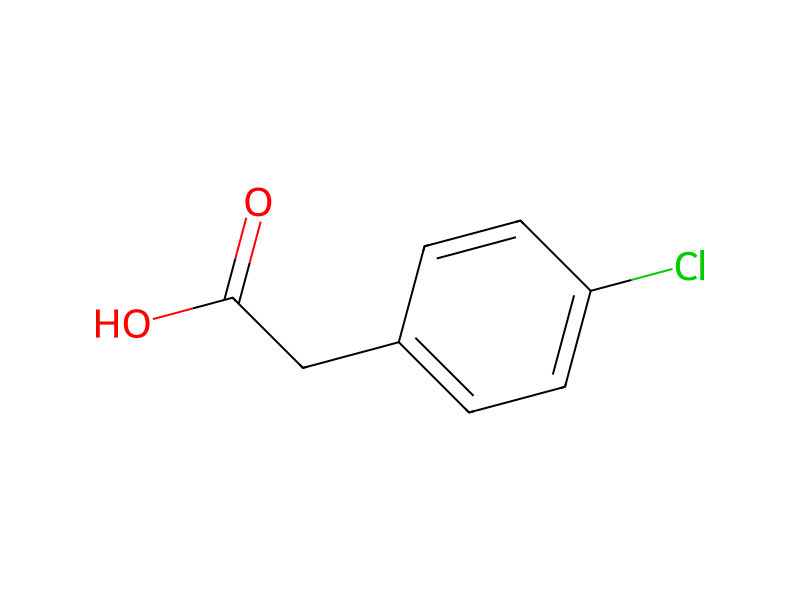
[C:1]1([CH:8]=[CH:7][CH:6]=[C:4]([OH:5])[CH:3]=1)[OH:2].[Cl:9][C:10]1[CH:15]=[CH:14][C:13]([CH2:16][C:17](O)=[O:18])=[CH:12][CH:11]=1.B(F)(F)F.CCOCC.C([O-])(=O)C.[Na+]>>[Cl:9][C:10]1[CH:15]=[CH:14][C:13]([CH2:16][C:17]([C:6]2[CH:7]=[CH:8][C:1]([OH:2])=[CH:3][C:4]=2[OH:5])=[O:18])=[CH:12][CH:11]=1Participants
5



Conditions
- Temperature
- 85 °C
Procedure
A mixture of resorcinol (100 g, 0.908 mol), 4-chlorophenylacetic acid (170 g, 0.999 mol) and boron trifluoride etherate is stirred mechanically at 85° C. for 1.75 h. The dark red-brown reaction mixture is allowed to cool to room temperature and then poured slowly into aqueous sodium acetate (1 l, 30% w/v). The suspension is stirred overnight at room temperature. The orange brown precipitate is removed by filtration, dried in vacuo and then triturated with isopropyl ether/hexane (1:9) to give a yellow solid. This solid is washed with hexane and dried in vacuo to provide the title compound. A further three crops of material are obtained from the sodium acetate work-up mixture.
Workup
- temperatureto cool to room temperature
- stirringThe suspension is stirred overnight at room temperature
- customThe orange brown precipitate is removed by filtration
- customdried in vacuo
- customtriturated with isopropyl ether/hexane (1:9)
- customto give a yellow solid
- washThis solid is washed with hexane
- customdried in vacuo
Sources & evidence
- ORD record
- ord-a542f2d9ff694a16a34c015a0ccdb19f
- Source dataset
- uspto-grants-2010_06
- Patent number
- US07732435B2
Linked notes
Loading…