HomeMCPWorkbenchSkills
HomeWorkbenchNotificationsMe
llms.txt · MCP GuidePrivacy Policy · Terms of Service · Supportv1.8.3
  1. Home
  2. /Reaction

4-Cyanobenzoyl chloride → HCID 23260252, compound

HRID 1452312
Print

Reaction equation

HRID 1452312 reaction equation
O[C:2]1[C:12]([C:13](=[O:16])[CH2:14][CH3:15])=[CH:11][CH:10]=[CH:9][C:3]=1[C:4]([O:6][CH2:7][CH3:8])=[O:5].[C:17]([C:19]1[CH:27]=[CH:26][C:22]([C:23](Cl)=[O:24])=[CH:21][CH:20]=1)#[N:18].N12CCCN=C1CCCCC2>N1C=CC=CC=1>[C:17]([C:19]1[CH:27]=[CH:26][C:22]([C:23]2[O:24][C:2]3[C:3]([C:4]([O:6][CH2:7][CH3:8])=[O:5])=[CH:9][CH:10]=[CH:11][C:12]=3[C:13](=[O:16])[C:14]=2[CH3:15])=[CH:21][CH:20]=1)#[N:18]
ParticipantsConditionsProcedureWorkupSources & evidenceReaction notes

Participants

5

Reactant 3

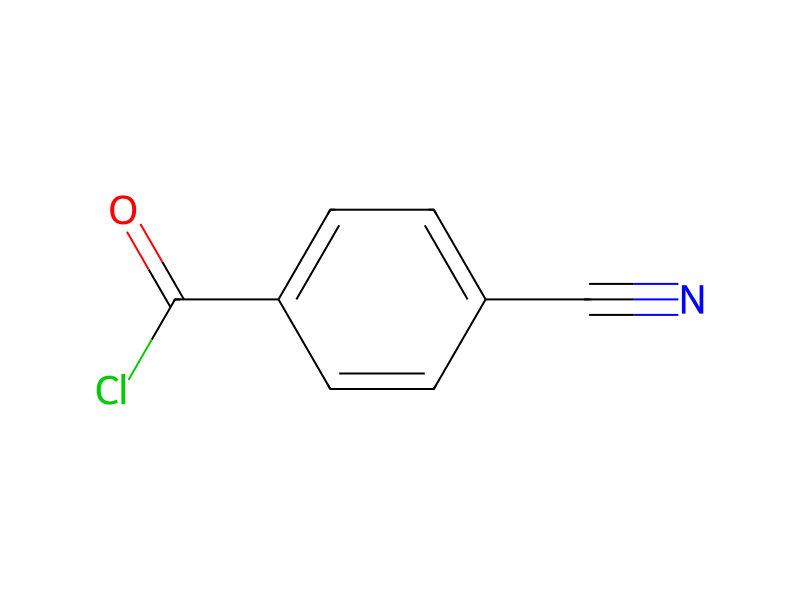
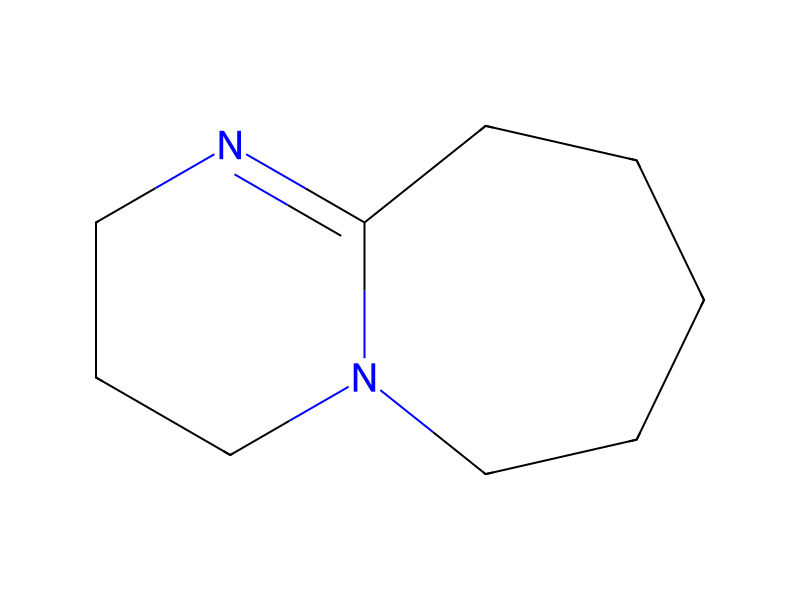
HCID 801724-Cyanobenzoyl chlorideHCID 811841,8-Diazabicyclo(5.4.0)undec-7-eneHCID 10944050Ethyl 2-hydroxy-3-propionylbenzoate

Product 1

HCID 23260252HCID 23260252, compoundYield 38.5%

Reagents, catalysts & solvents 1

HCID 1049PyridineSolvent2×

Conditions

Temperature
100 °C

Procedure

A solution of 5.2 g of ethyl 2-hydroxy-3-propionylbenzoate in 30 ml of anhydrous pyridine was added dropwise over 20 minutes at room temperature into a stirred mixture of 4 g of 4-cyanobenzoyl chloride in 30 ml of anhydrous pyridine. The solution was stirred for 1 hour at the same temperature, then 2.6 ml of 1,8-diazabicyclo[5.4.0]undec-7-ene was added and the solution was heated at 100° C. for 2 hours. After cooling to room temperature, the solvent was evaporated in vacuo and the residue was quenched with 100 ml of water containing 40 ml of 6N aqueous hydrochloric acid solution. The mixture was extracted twice with 100 ml aliquots of dichloromethane, the organic layer was separated, washed with water, dried over sodium sulfate and evaporated in vacuo. The residue was purified by flash chromatography on silica gel eluting with n-hexane-ethyl acetate gradient (95:5 to 60:40), obtaining 3 g of the title compound after crystallization from ethanol, m.p. 181°-183° C.

Workup

  1. temperatureAfter cooling to room temperature
  2. customthe solvent was evaporated in vacuo
  3. customthe residue was quenched with 100 ml of water containing 40 ml of 6N aqueous hydrochloric acid solution
  4. extractionThe mixture was extracted twice with 100 ml aliquots of dichloromethane
  5. customthe organic layer was separated
  6. washwashed with water
  7. dry with materialdried over sodium sulfate
  8. customevaporated in vacuo
  9. customThe residue was purified by flash chromatography on silica gel eluting with n-hexane-ethyl acetate gradient (95:5 to 60:40)

Sources & evidence

ORD record
ord-b6e8d30596234039931bb5cb42aae14b
Source dataset
uspto-grants-1997_02
DOI
10.6084/m9.figshare.5104873.v1
Patent number
US05605896

Reaction notes

On this pageParticipantsConditionsProcedureWorkupSources & evidenceReaction notes