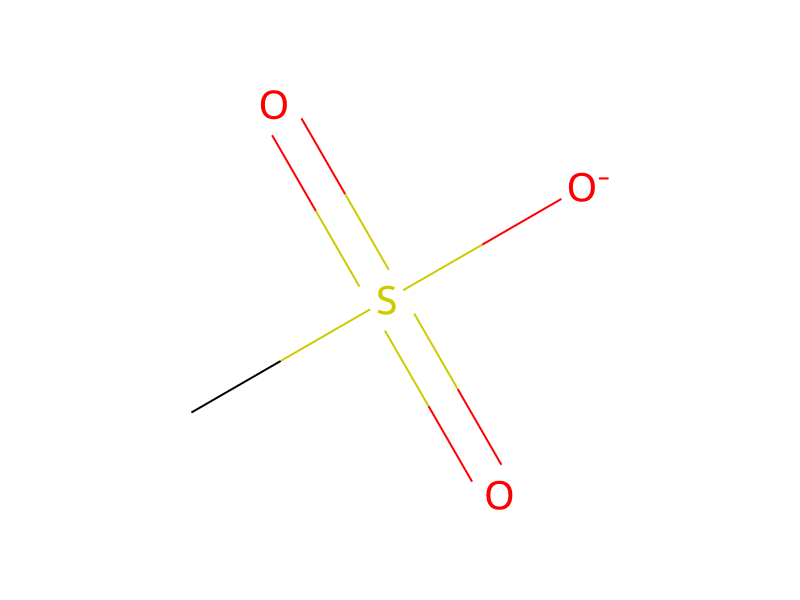
To a flask were charged aniline (18.6 g, 0.2 mol), methyl propionylacetate (26.0 g, 0.2 mol), p-TsOH (0.3 g) and 100 mL of benzene. The mixture was heated to reflux and water was removed via Dean-Stark apparatus. After cooled down, insoluble material was filtered and the filtrate was concentrated to provide crude material in quantitative yield. The crude material was pure enough for next step. The crude material obtained was dissolved in 150 mL of Ph2O and the solution was heated to 240° C. for 1 hr. After cooled down, the solution was diluted with hexane and the precipitate 211a (5.3 g, 15%) was collected. MS (ES+): 174 (M+1) (211b) Following a procedure similar to 209a, 4-hydroxy-2-ethylquinoline, 211a (5.0 g, 28.9 mmol) was converted to the corresponding bromide (3.6 g, 53%). MS (ES+): 238 (M+1). (211c) Following a procedure similar to 209b, the product from 211b (3.0 g, 12.7 mmol) was converted to the desired product 211c (2.82 g, 69%). MS (AP+): 322 (M+1). (211d) Following a procedure similar to 209c, the product from 211c (3.0 g, 9.3 mmol) was converted to the corresponding mesylate 211d in quantitative yield. MS (AP+): 400 (M+1). (211e) Following a procedure similar to 209d, the product from 211d (3.7 g, 9.3 mmol) was reduced to the desired product 211e (2.65 g, 94%). MS (AP+): 306 (M+1). (211f) Following a procedure similar to (109e), the product from 211e (2.6 g, 8.5 mmol) was converted to the corresponding acid 211f (2.4 g, >95%). MS (ES+): 292 (M+1).