HomeMCPWorkbenchSkills
HomeWorkbenchNotificationsMe
llms.txt · MCP GuidePrivacy Policy · Terms of Service · Supportv1.8.0
  1. Home
  2. /Reaction

Hydroxide → Glycol diglycidyl ether

HRID 1458018
Notes
Print preview

Reaction equation

HRID 1458018 reaction equation
CCCCCCCCCCCCCCCCCC(OC[C@@H:22]([OH:30])[C@H:23]1[O:27][CH2:26][C@H:25](O)[C@H:24]1[OH:29])=O.[OH-].[C:32]([OH:36])(=O)[CH:33]=[CH2:34].C([O-])(=O)C=C.[Na+]>[OH-].[Na+].O.C1CCCCC1>[CH2:34]([O:30][CH2:22][CH2:23][O:27][CH2:26][CH:25]1[O:29][CH2:24]1)[CH:33]1[O:36][CH2:32]1
ParticipantsProcedureWorkupSources & evidenceReaction notes

Participants

8

Reactant 4

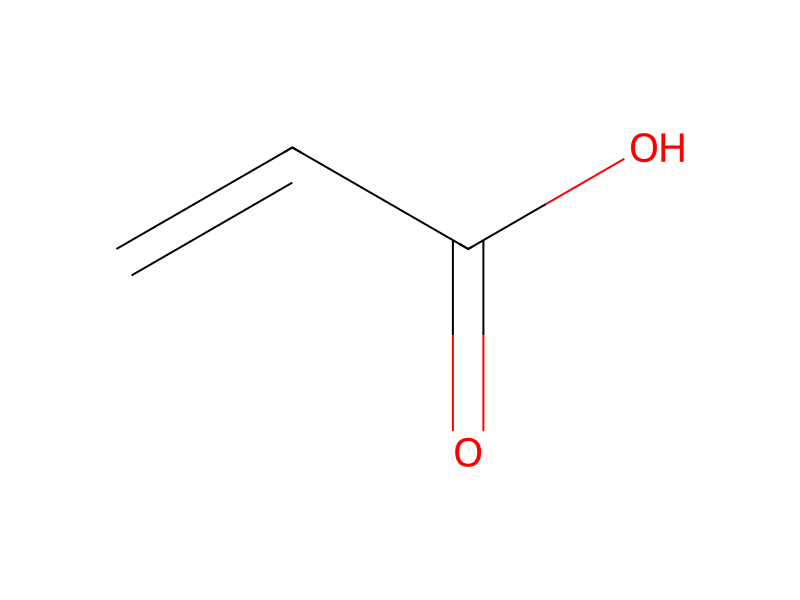
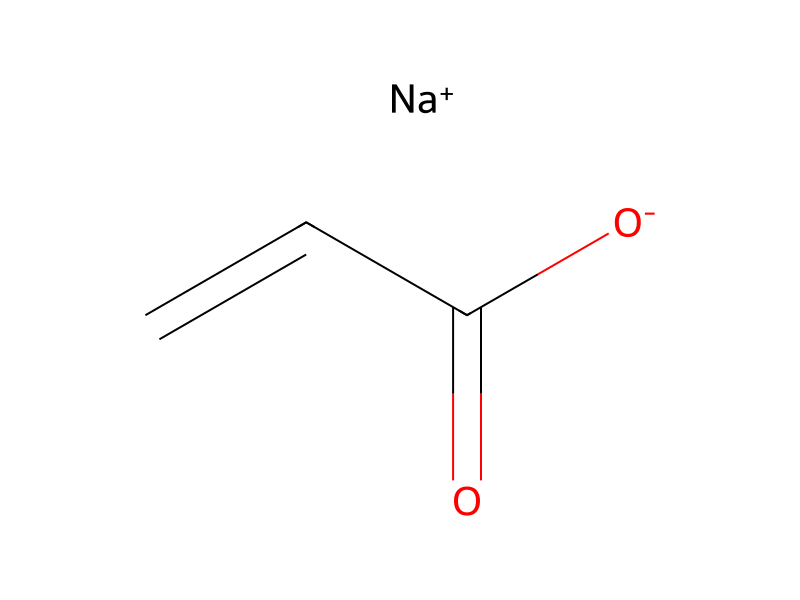
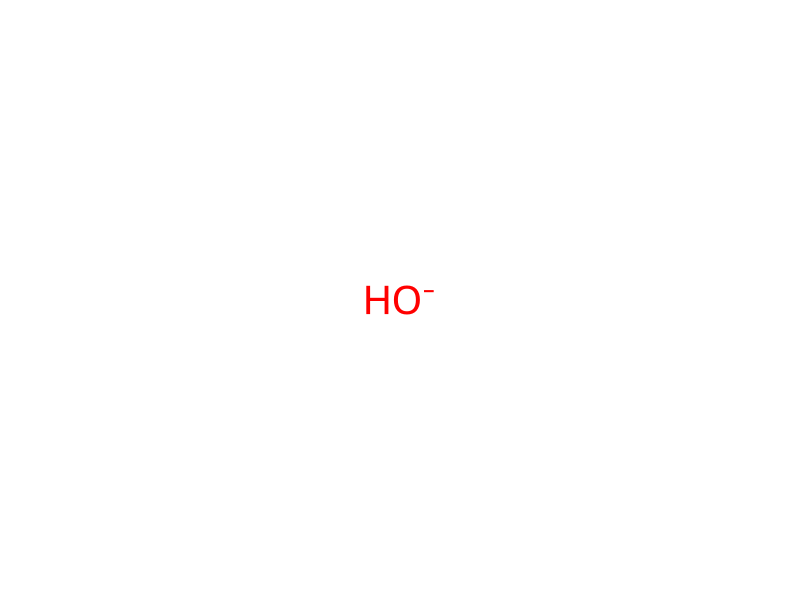
HCID 961HydroxideHCID 6581Acrylic AcidHCID 4068533Sodium acrylateHCID 162186001,4-Anhydro-6-O-octadecanoyl-D-glucitol

Product 1

HCID 16683Glycol diglycidyl ether

Reagents, catalysts & solvents 3

HCID 962WaterSolvent
HCID 8078
Cyclohexane
Solvent
HCID 14798Sodium HydroxideSolvent

Procedure

Cyclohexane (850 ml), Tween 81® (3.30 g) and Span 60® 1.10 g) were placed in a 2L resin kettle equipped with a mechanical stirrer, Teflon® stir paddle, thermometer, condenser, and a nitrogen inlet. This surfactant system has an HLB of 8.7. In a 500 ml Erlenmeyer flask, sodium hydroxide (41.5 g) was dissolved in water (140 ml). The aqeous hydroxide solution was cooled to 5° C. and acrylic acid 95.0 ml) was added. The sodium acrylate solution was introduced into the resin kettle and the reaction vessel was purged with nitrogen. Potassium persulfate (145 mg) was added to initiate the polymerization. One hour after the polymerization was initiated, U.S. Silica F-75 (83.0 g) was introduced into the resin kettle through a powder funnel over a 5 minute period. The increased viscosity of the polymerization aided in the suspension of the silica. The silica was dispersed uniformly throughout the reaction mixture. After 2 hours, the polymerization formed discrete particles and ethylene glycol diglycidyl ether (335 mg) was added. The reaction was refluxed for 1 hour and the resultant product was dried in a rotary dryer for 1 hour at 100° C. Ninety percent of the product consisted of discrete particles ranging in size from 150-600 microns.

Workup

  1. customequipped with a mechanical stirrer
  2. customthe reaction vessel was purged with nitrogen
  3. additionPotassium persulfate (145 mg) was added
  4. customthe polymerization
  5. customOne hour
  6. addition(83.0 g) was introduced into the resin kettle through a powder funnel over a 5 minute period
  7. additionThe increased viscosity of the polymerization aided in the suspension of the silica
  8. additionThe silica was dispersed uniformly throughout the reaction mixture

Sources & evidence

ORD record
ord-03b979ec689049c18b23b4b412df38e6
Source dataset
uspto-grants-1998_12
DOI
10.6084/m9.figshare.5104873.v1
Patent number
US05849816

Reaction notes

Loading…

On this pageParticipantsProcedureWorkupSources & evidenceReaction notes