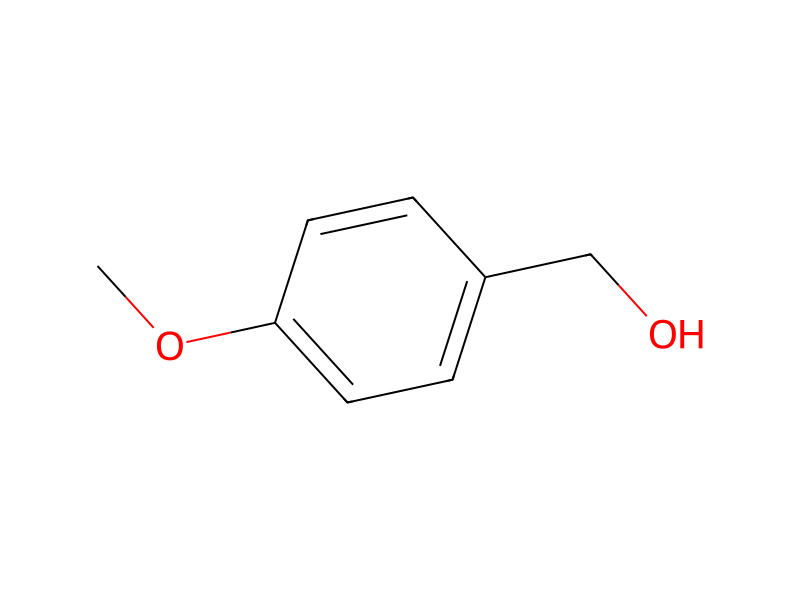
In a nitrogen atmosphere, 2.00 g (14.5 mmol.) of 4-methoxybenzyl alcohol was dissolved in 10 ml of dichloromethane. Under chilling with ice, to the solution was dropwise added a solution of 1.05 ml (14.5 mmol.) of thionyl chloride in 2 ml of dichloromethane. The mixture was then stirred at room temperature for 1 hour. The solvent was distilled off under reduced pressure. The residue was mixed with 2.90 g (14.5 mmol., purity 88.1%) of methyl 1-piperazinecarbodithioate, 1.54 g (14.5 mmol.) of anhydrous sodium carbonate and 25 ml of ethanol. The mixture was refluxed under heating for 14.5 hours. The solvent was distilled off under reduced pressure. The residue was mixed with 10 ml of dichloromethane and 10 ml of water. The mixture was allowed to give separated layers, and filtered to remove insolubles. The organic solvent portion was washed with water and a saturated aqueous sodium chloride solution, dried over anhydrous sodium sulfate, and placed under reduced pressure to distill off the solvent. The residue was purified over a silica gel column to give 1.46 g of methyl 4-(4-methoxybenzyl)-1-piperazinecarbodithioate as a pale yellow oil, yield 33.9%.