HomeMCPWorkbenchSkills
HomeWorkbenchNotificationsMe
llms.txt · MCP GuidePrivacy Policy · Terms of Service · Supportv1.8.0
  1. Home
  2. /Reaction

Pyridine → HCID 10522118, compound

HRID 1461814
Notes
Print preview

Reaction equation

HRID 1461814 reaction equation
[Cl:1][C:2]1[CH:3]=[C:4]2[C:9](=[CH:10][CH:11]=1)[NH:8][CH2:7][CH2:6][C:5]2=[O:12].N1C=CC=CC=1.O1CCOCC1.[Cl:25][C:26]1[CH:34]=[C:33]([Cl:35])[CH:32]=[CH:31][C:27]=1[C:28](Cl)=[O:29]>ClCCl.O>[Cl:1][C:2]1[CH:3]=[C:4]2[C:9](=[CH:10][CH:11]=1)[N:8]([C:28](=[O:29])[C:27]1[CH:31]=[CH:32][C:33]([Cl:35])=[CH:34][C:26]=1[Cl:25])[CH2:7][CH2:6][C:5]2=[O:12]
ParticipantsProcedureWorkupSources & evidenceReaction notes

Participants

7

Reactant 4

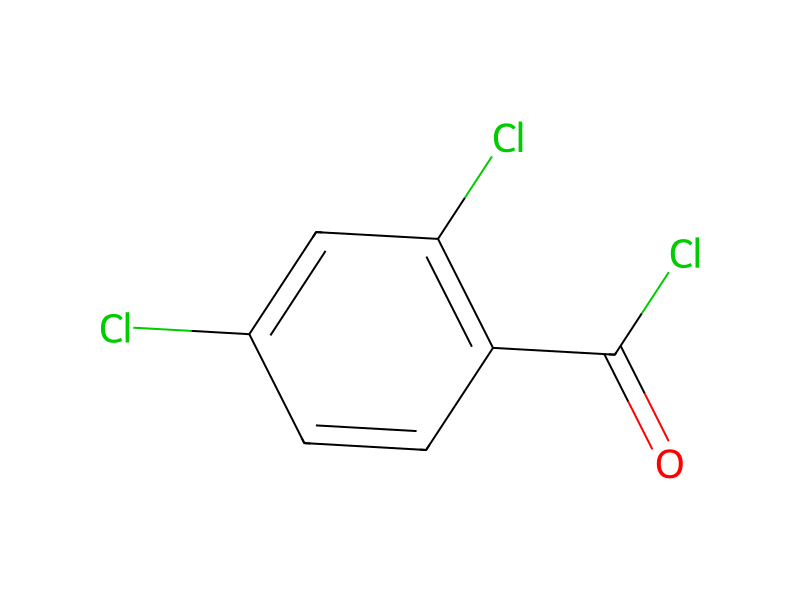
HCID 1049PyridineHCID 312751,4-DioxaneHCID 666452,4-Dichlorobenzoyl chlorideHCID 124791046-Chloro-2,3-dihydroquinolin-4(1H)-one

Product 1

HCID 10522118HCID 10522118, compoundYield 89.6%

Reagents, catalysts & solvents 2

HCID 962
Water
Solvent
HCID 6344DichloromethaneSolvent

Procedure

To a mixture of 6-chloro-2,3-dihydro-4(1H)-quinolinone (20 g), pyridine (26 g) and dioxane (200 ml) was added 2,4-dichlorobenzoylchloride (30 g) dropwise under cooling at 0° C. to 5° C. with stirring. The mixture was allowed to react at room temperature for additional 3 hours. The reaction mixture was poured into 500 ml of water, then shaken with dichloromethane (1000 ml). The organic layer was washed once with 1 N HCl (100 ml), twice with water (200 ml each) then once with saturated aqueous NaCl solution (200 ml) and dried over anhydrous sodium sulfate. Dichloromethane was removed in vacuo and the residue was recrystallized with dichloromethane and n-hexane to obtain 6-chloro-1-(2,4-dichlorobenzoyl)-2,3-dihydro-4(1H)-quinolinone (yield 35 g) as white crystal.

Workup

  1. temperatureunder cooling at 0° C. to 5° C.
  2. customto react at room temperature for additional 3 hours
  3. washThe organic layer was washed once with 1 N HCl (100 ml), twice with water (200 ml each)
  4. dry with materialonce with saturated aqueous NaCl solution (200 ml) and dried over anhydrous sodium sulfate
  5. customDichloromethane was removed in vacuo
  6. customthe residue was recrystallized with dichloromethane and n-hexane

Sources & evidence

ORD record
ord-dd35905d2d0c46d3a727aef7d3381928
Source dataset
uspto-grants-1991_12
DOI
10.6084/m9.figshare.5104873.v1
Patent number
US05077410

Reaction notes

Loading…

On this pageParticipantsProcedureWorkupSources & evidenceReaction notes