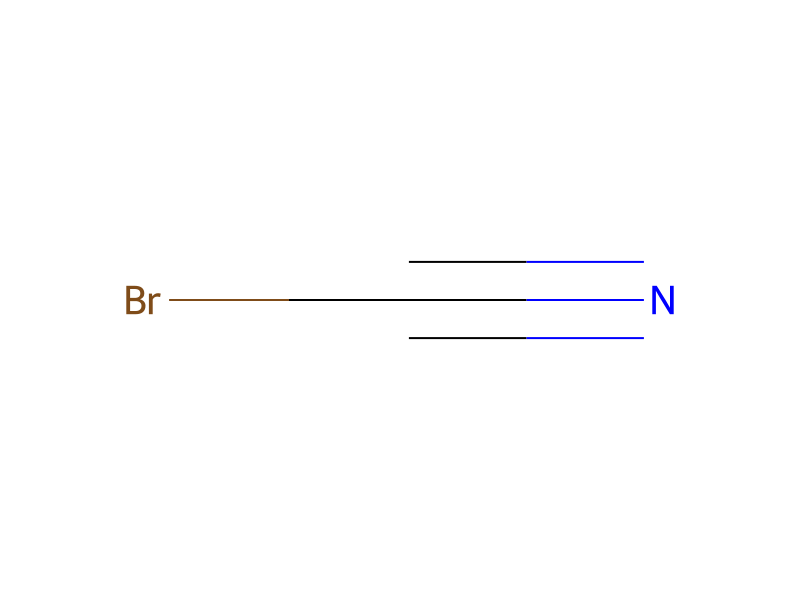
[NH:1]1[CH:5]=[CH:4][N:3]=[C:2]1[CH2:6][C:7]1[CH:12]=[CH:11][CH:10]=[CH:9][C:8]=1[NH:13][C:14]([N:16]1[CH2:21][CH2:20][N:19]([C:22]([O:24][CH2:25][CH3:26])=[O:23])[CH2:18][CH2:17]1)=S.C(=O)([O-])[O-].[K+].[K+].N#CBr>C(#N)C>[CH2:25]([O:24][C:22]([N:19]1[CH2:20][CH2:21][N:16]([C:14]2[N:3]3[CH:4]=[CH:5][N:1]=[C:2]3[CH2:6][C:7]3[CH:12]=[CH:11][CH:10]=[CH:9][C:8]=3[N:13]=2)[CH2:17][CH2:18]1)=[O:23])[CH3:26]To a solution of 8.9 g of 1-[2-(2-imidazolylmethyl)phenylthiocarbamoyl]-4-ethoxycarbonylpiperazine in 70 ml of acetonitrile, cooled to 0°, was added 2.4 g of solid potassium carbonate while stirring, followed by dropwise addition of a solution of 2.5 g of cyanogen bromide in 10 ml of acetonitrile; the mixture was allowed to warm up to room temperature overnight. The solids were filtered off, washed with ethyl acetate, and the filtrate was evaporated to dryness. The residue was dissolved in methylene chloride, the solution was washed with water, dried over MgSO4, decolorized with charcoal and evaporated to dryness. The residue was chromatographed with 250 g of silica gel using ethyl acetate-methanol (9:1) as eluant to give 5-(4-ethoxycarbonyl-1-piperazinyl)-11H-imidazo[1,2-c][1,3]benzodiazepine, m.p. 137°-139°.