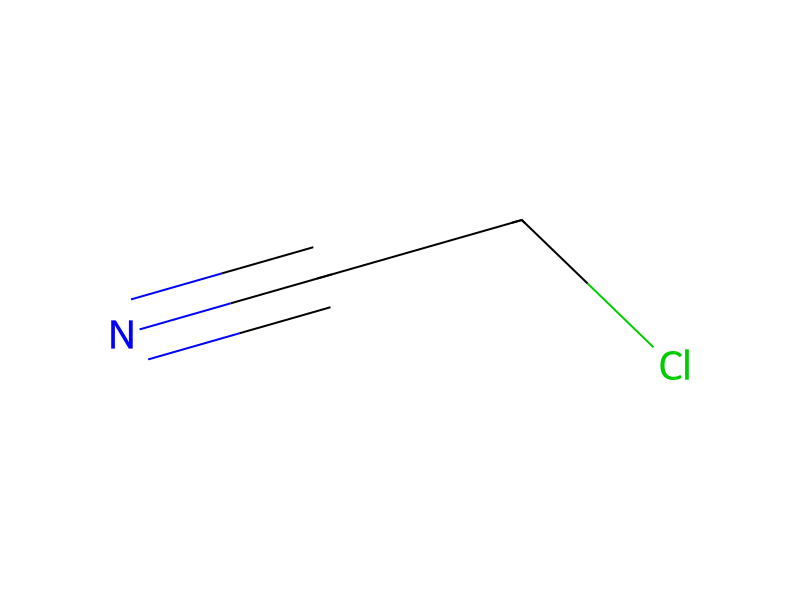
[F:1][C:2]([F:21])([F:20])[CH2:3][N:4]=[C:5]([NH2:19])[NH:6][C:7]1[CH:12]=[CH:11][N:10]=[C:9]([CH2:13][CH2:14][CH2:15][CH2:16][CH2:17][NH2:18])[N:8]=1.Cl[CH2:23][C:24]#[N:25].C(N(CC)CC)C>CCO>[F:21][C:2]([F:1])([F:20])[CH2:3][N:4]=[C:5]([NH2:19])[NH:6][C:7]1[CH:12]=[CH:11][N:10]=[C:9]([CH2:13][CH2:14][CH2:15][CH2:16][CH2:17][NH:18][CH2:23][C:24]#[N:25])[N:8]=1A mixture of 4-[2-(2,2,2-trifluoroethyl)guanidino]-2-(5-aminopentyl)pyrimidine (0.61 g.), chloroacetonitrile (0.17 g.) and triethylamine (0.23 g.) in EtOH (15 ml.) was heated under reflux for 7 hours. The solvent was evaporated and the residue was treated with sodium bicarbonate solution and extracted with EtOAc. The extract was dried (MgSO4) and evaporated to give an oil which was purified by medium pressure chromatography, eluting with 7.5% v/v MeOH in methylene chloride to give 4-[2-(2,2,2-trifluoroethyl)guanidino]-2-[5-cyanomethylaminopentyl]pyrimidine as a pale yellow solid which was used without further purification.
Loading…