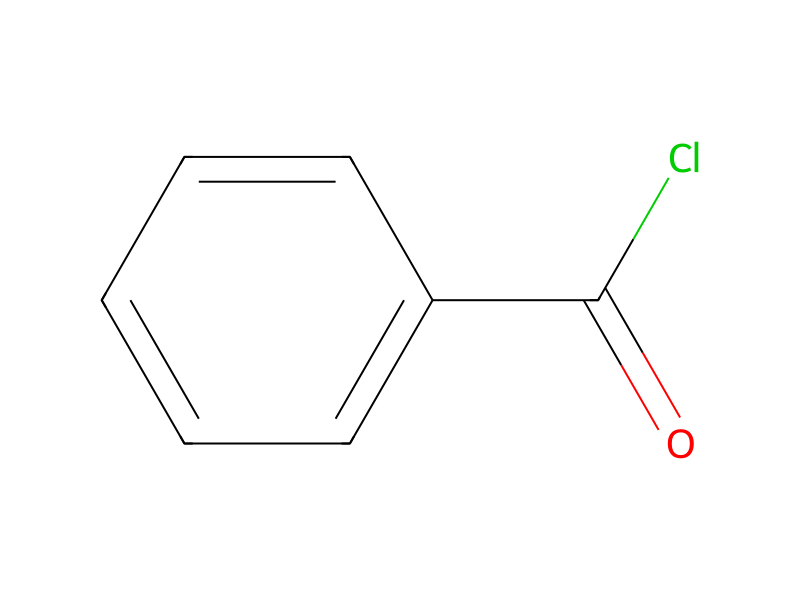
C(N(CC)CC)C.[C:8](Cl)(=[O:15])[C:9]1[CH:14]=[CH:13][CH:12]=[CH:11][CH:10]=1.[N:17]1([C:23]2[N:24]=[CH:25][C:26]3[CH2:31][C:30](=[O:32])[N:29]([CH3:33])[C:27]=3[N:28]=2)[CH2:22][CH2:21][NH:20][CH2:19][CH2:18]1>C(Cl)Cl>[C:8]([CH:18]1[CH2:19][NH:20][CH2:21][CH2:22][N:17]1[C:23]1[N:24]=[CH:25][C:26]2[CH2:31][C:30](=[O:32])[N:29]([CH3:33])[C:27]=2[N:28]=1)(=[O:15])[C:9]1[CH:14]=[CH:13][CH:12]=[CH:11][CH:10]=1One gram of triethylamine, 50 ml of methylene chloride and 0.6 g (4.3 mmoles) of benzoyl chloride were added to 1.0 g (4.3 mmoles) of 2-piperazino-5,6-dihydro-7-methyl-6-oxo(7H) pyrrolo[2,3-d]pyrimidine, and the mixture was reacted overnight at room temperature. The reaction mixture was concentrated under reduced pressure, and after adding an aqueous solution of sodium hydrogen carbonate, extracted with chloroform. The chloroform layer was concentrated under reduced pressure, and the residue was purified by silica gel column chromatography to give 1.1 g (yield 76%) of the desired compound.