Reaction equation

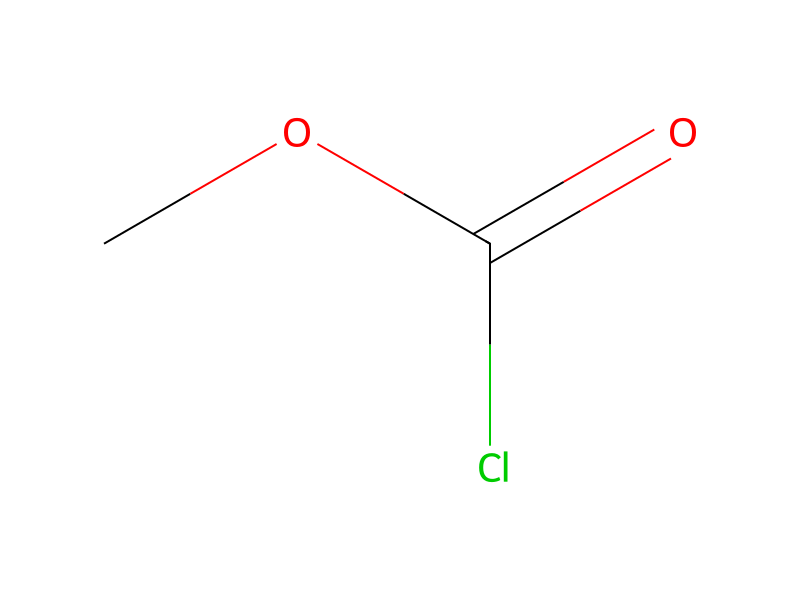
[CH3:1][S:2][C:3]1[CH:4]=[C:5]([C:9]2[CH2:10][CH2:11][NH:12][CH2:13][CH:14]=2)[CH:6]=[CH:7][CH:8]=1.CCN(CC)CC.Cl[C:23]([O:25][CH3:26])=[O:24]>C(Cl)Cl>[CH3:26][O:25][C:23]([N:12]1[CH2:11][CH:10]=[C:9]([C:5]2[CH:6]=[CH:7][CH:8]=[C:3]([S:2][CH3:1])[CH:4]=2)[CH2:14][CH2:13]1)=[O:24]Participants
5




Conditions
- Temperature
- 0 °C
Procedure
4-(3-Methylsulfanyl-phenyl)-1,2,3,6-tetrahydro-pyridine (2 g) and NEt3 (1 g) were dissolved in CH2Cl2 (75 ml) and cooled to 0° C. Methyl chloroformate (0.96 g) dissolved in CH2Cl2 (20 ml) was added dropwise and the reaction mixture was then allowed to reach room temperature. After an additional two hours at room temperature the reaction mixture was washed with 10% Na2CO3 solution, dried (MgSO4), filtered and concentrated by evaporation. The oily residue was chromatographed on a silica column using CH2Cl2:MeOH (19:1 (v/v)) as eluent, 4-(3-methylsulfanyl-phenyl)-3,6-dihydro-2H-pyridine-1-carboxylic acid methyl ester (1.4 g). MS m/z (relative intensity, 70 eV) 263 (M+45), 248 (89), 129 (83), 128 (bp), 59 (96).
Workup
- additionwas added dropwise
- customto reach room temperature
- washAfter an additional two hours at room temperature the reaction mixture was washed with 10% Na2CO3 solution
- dry with materialdried (MgSO4)
- filtrationfiltered
- concentrationconcentrated by evaporation
- customThe oily residue was chromatographed on a silica column
Sources & evidence
- ORD record
- ord-5116795f1ea94c0eab83981df15c1567
- Source dataset
- uspto-grants-2016_08
- Patent number
- USRE046117E1
Linked notes
Loading…