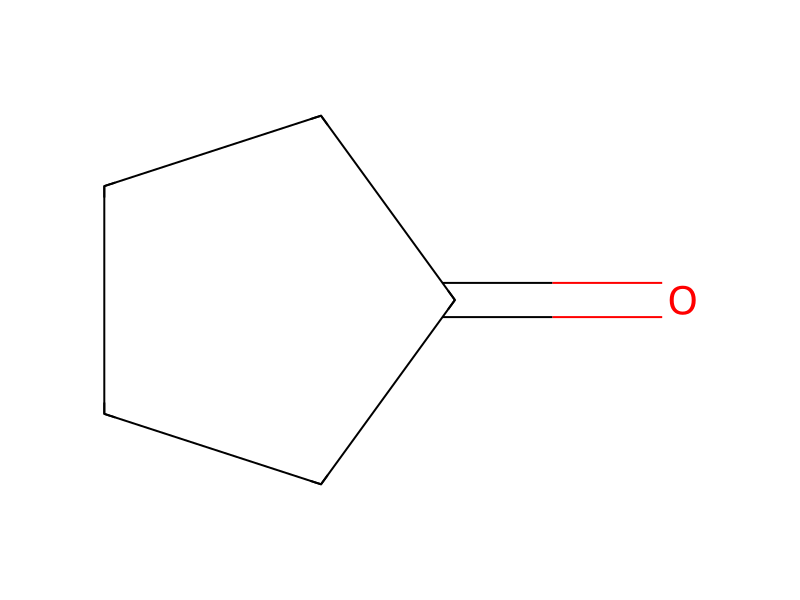
[C:1]1(=O)[CH2:5][CH2:4][CH2:3][CH2:2]1.[Br:7][C:8]1[C:14]([CH3:15])=[CH:13][C:11]([NH2:12])=[CH:10][C:9]=1[CH3:16].C[Si]([C:21]#[N:22])(C)C>C(O)(=O)C>[Br:7][C:8]1[C:14]([CH3:15])=[CH:13][C:11]([NH:12][C:1]2([C:21]#[N:22])[CH2:5][CH2:4][CH2:3][CH2:2]2)=[CH:10][C:9]=1[CH3:16]To a mixture of cyclopentanone (42 mg, 0.500 mmol) and 4-bromo-3,5-dimethylaniline (100 mg, 0.500 mmol) in acetic acid (0.5 mL), trimethylsilyl cyanide (0.063 ml, 0.500 mmol) was added at room temperature. The mixture was stirred at room temperature for 1.5 hours under nitrogen atmosphere. The reaction mixture was quenched with 28% aqueous ammonia (1 mL), diluted with water and extracted with dichloromethane. The organic layer was washed with water and brine, dried over anhydrous sodium sulfate, and then concentrated under reduced pressure to afford 1-((4-bromo-3,5-dimethylphenyl)amino)cyclopentanecarbonitrile as a crude product (152 mg).