tert-Butanol → 1-{4-Amino-1-[1-(3-bromo-5-chloro-2-methoxy-4-methylphenyl)ethyl]-1H-pyrazolo[3,4-d]pyrimidin-3-yl}ethane-1,2-diol
HRID 1499844
Reaction equation

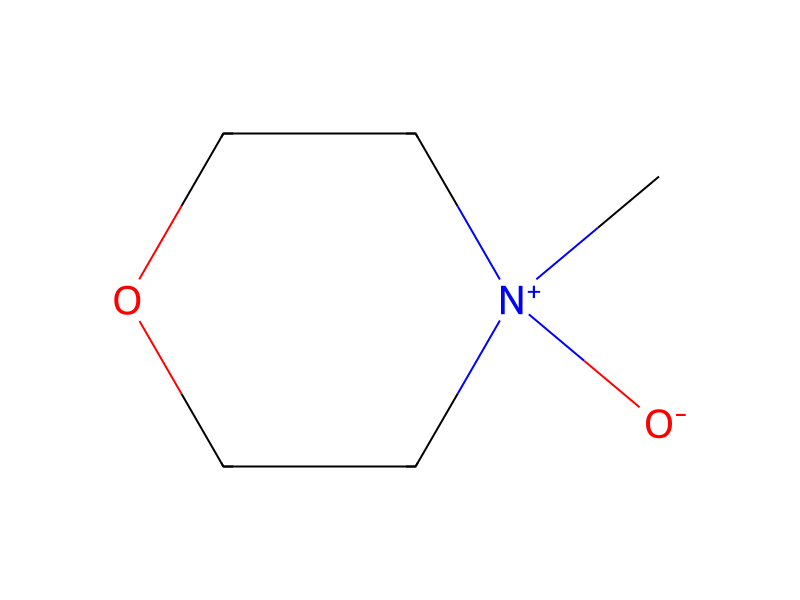
[Br:1][C:2]1[C:3]([O:24][CH3:25])=[C:4]([CH:10]([N:12]2[C:16]3=[N:17][CH:18]=[N:19][C:20]([NH2:21])=[C:15]3C(C=C)=[N:13]2)[CH3:11])[CH:5]=[C:6]([Cl:9])[C:7]=1[CH3:8].C[N+]1([O-])CC[O:30]CC1.[C:34]([OH:38])([CH3:37])([CH3:36])C>O.[Os](=O)(=O)(=O)=O>[NH2:21][C:20]1[N:19]=[CH:18][N:17]=[C:16]2[N:12]([CH:10]([C:4]3[CH:5]=[C:6]([Cl:9])[C:7]([CH3:8])=[C:2]([Br:1])[C:3]=3[O:24][CH3:25])[CH3:11])[N:13]=[C:36]([CH:34]([OH:38])[CH2:37][OH:30])[C:15]=12Participants
6