HomeMCPSkillsWorkbenchOpenChem
HomeWorkbenchNotificationsMe
llms.txt · skill.md · MCP GuidePrivacy Policy · Terms of Service · Supportv1.8.5
  1. Home
  2. /Reaction

3-Bromo-4-methylpyridine-2-carbaldehyde → 1-(3-Bromo-4-methylpyridin-2-yl)ethanol

HRID 1502461
Print

Reaction equation

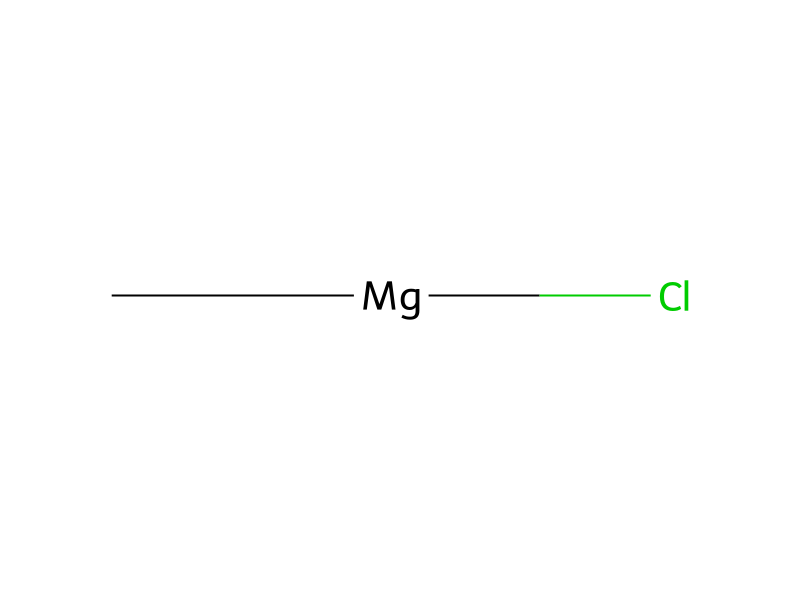
[CH3:1][Mg]Cl.[Br:4][C:5]1[C:6]([CH:12]=[O:13])=[N:7][CH:8]=[CH:9][C:10]=1[CH3:11]>C1COCC1>[Br:4][C:5]1[C:6]([CH:12]([OH:13])[CH3:1])=[N:7][CH:8]=[CH:9][C:10]=1[CH3:11]
ParticipantsConditionsProcedureWorkupSources & evidenceReaction notes

Participants

4

Reactant 2

HCID 866749793-Bromo-4-methylpyridine-2-carbaldehydeHCID 178418332HCID 178418332, compound

Product 1

HCID 679748401-(3-Bromo-4-methylpyridin-2-yl)ethanolYield 92%

Reagents, catalysts & solvents 1

HCID 8028TetrahydrofuranSolvent2×

Conditions

Temperature
-15 °C

Procedure

Methylmagnesium chloride (3.0 mol/L) in THF (0.17 mL, 0.525 mmol) was added dropwise to a solution of 3-bromo-4-methyl-pyridine-2-carbaldehyde (100 mg, 0.50 mmol) in THF (2 mL) cooled at −15° C. After 5 min, the reaction was quenched with a few drops of saturated aqueous ammonium chloride solution. The reaction mixture was diluted with ethyl acetate (25 mL) and washed with water (5 mL). The organic layer was separated, dried over sodium sulfate, filtered and concentrated in vacuo to provide the title compound as a yellow oil (100 mg, 92%), which was used in subsequent steps without further purification.

Workup

  1. customthe reaction was quenched with a few drops of saturated aqueous ammonium chloride solution
  2. additionThe reaction mixture was diluted with ethyl acetate (25 mL)
  3. washwashed with water (5 mL)
  4. customThe organic layer was separated
  5. dry with materialdried over sodium sulfate
  6. filtrationfiltered
  7. concentrationconcentrated in vacuo

Sources & evidence

ORD record
ord-40ba4459b953430f80391996aa2385d2
Source dataset
uspto-grants-2015_12
DOI
10.6084/m9.figshare.5104873.v1
Patent number
US09206175B2

Reaction notes

On this pageParticipantsConditionsProcedureWorkupSources & evidenceReaction notes