Potassium Phosphate, Tribasic → 1-Bromo-4-chloro-2-cyclopropylbenzene
HRID 1504517
Reaction equation

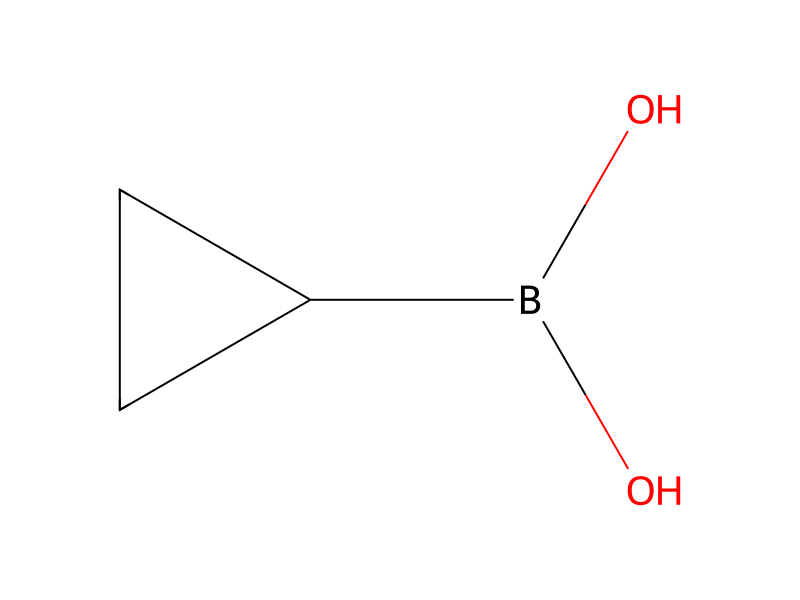
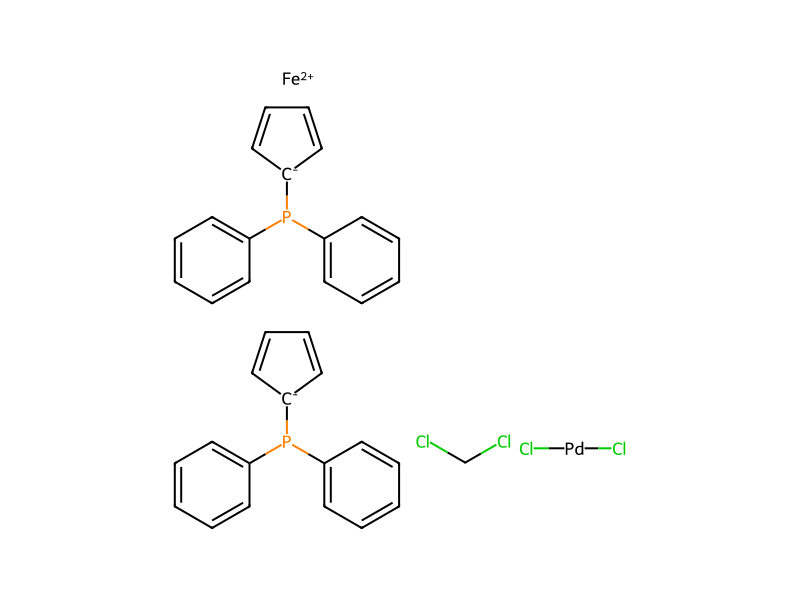
[CH:1]1(B(O)O)[CH2:3][CH2:2]1.[Br:7][C:8]1[CH:13]=[CH:12][C:11]([Cl:14])=[CH:10][C:9]=1I.P([O-])([O-])([O-])=O.[K+].[K+].[K+]>O1CCOCC1.O.C(Cl)Cl.C1C=CC(P(C2C=CC=CC=2)[C-]2C=CC=C2)=CC=1.C1C=CC(P(C2C=CC=CC=2)[C-]2C=CC=C2)=CC=1.Cl[Pd]Cl.[Fe+2].C(Cl)Cl>[Br:7][C:8]1[CH:13]=[CH:12][C:11]([Cl:14])=[CH:10][C:9]=1[CH:1]1[CH2:3][CH2:2]1Participants
8