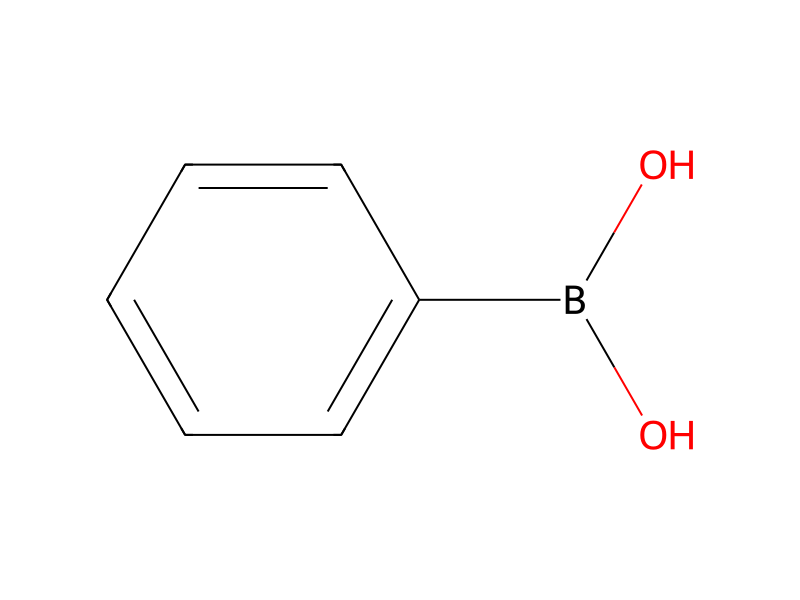
A suspension of 6-chloro-1-methyl-1H-pyrazolo[3,4-d]pyrimidin-4-amine (68 mg, 0.37 mmol), phenyl boronic acid (68 mg, 0.56 mmol), 1,1′-bis(diphenylphosphino)ferrocene-palladium(II)dichloride-dichloromethane complex (30 mg, 0.037 mmol), 1,4-dioxane (3 ml), water (0.2 ml), and aqueous sodium carbonate solution (2.0 M, 0.740 ml, 1.5 mmol) in a 5 mL microwave vial was deoxygenated using 10 alternate vacuum/argon flush cycles. The reaction mixture was then heated via microwave irradiation to 170° C. for 10 minutes. After cooling to room temperature, the reaction mixture was partitioned between ethyl acetate (40 mL) and saturated aqueous sodium bicarbonate solution (10 mL). The layers were separated and the organic layer was washed with brine (10 mL), dried over sodium sulfate, filtered, and concentrated under reduced pressure. The residue was purified by chromatography on silica gel (0.5-6.5% methanol/dichloromethane, linear gradient) to afford 1-methyl-6-phenyl-1H-pyrazolo[3,4-d]pyrimidin-4-amine. MS ESI calc'd. for C12H12N5 [M+H]+ 226. found 226.