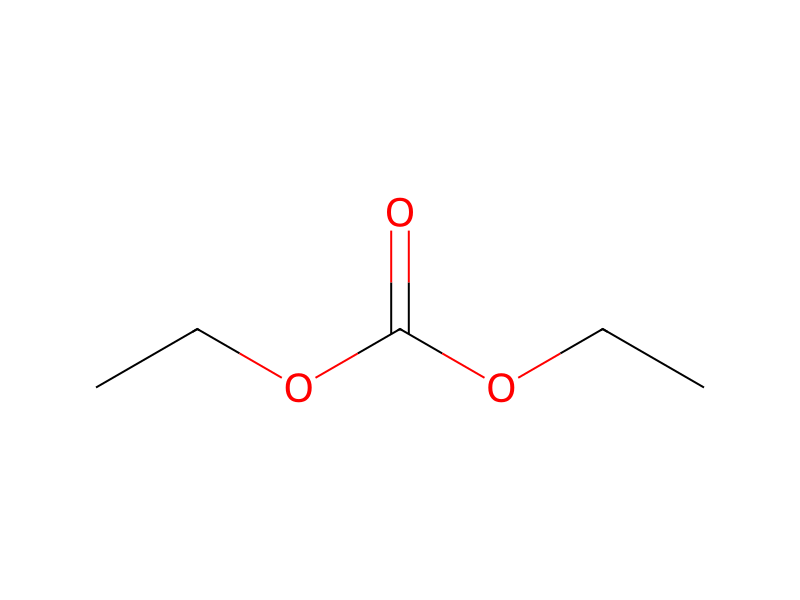
Diethyl Carbonate → HCID 136247053, compound
HRID 1506854
Reaction equation

[OH:1][NH:2][C:3]([CH:5]1[O:10][C:9]([CH:17]2[CH2:22][CH2:21][CH2:20][CH2:19][CH2:18]2)([CH:11]2[CH2:16][CH2:15][CH2:14][CH2:13][CH2:12]2)[C:8]2[CH:23]=[C:24]([Cl:27])[CH:25]=[CH:26][C:7]=2[O:6]1)=[NH:4].C[O-].[Na+].[C:31](=O)(OCC)[O:32]CC>C(O)C>[Cl:27][C:24]1[CH:25]=[CH:26][C:7]2[O:6][CH:5]([C:3]3[NH:4][C:31](=[O:32])[O:1][N:2]=3)[O:10][C:9]([CH:17]3[CH2:22][CH2:21][CH2:20][CH2:19][CH2:18]3)([CH:11]3[CH2:12][CH2:13][CH2:14][CH2:15][CH2:16]3)[C:8]=2[CH:23]=1Participants
5
Reactant 3


Product 1

Reagents, catalysts & solvents 1

Procedure
To a solution of 500 mg N-hydroxy-6-chloro-4,4-dicyclohexyl-4H-benzo[1,3]dioxine-2-carboxamidine in 3.7 ml ethanol was added 0.7 ml of a sodium methoxide solution (30% in methanol) and then 0.617 ml diethyl carbonate. The mixture was refluxed for 2 h. After cooling to room temperature, the solvent was removed in vacuo. The residue was dissolved in 3.4 ml water and 1M aqueous HCl was added until pH7 was reached. The obtained precipitate was filtered, washed with water, dissolved in EtOAc and dried with MgSO4. Then the solvent was removed in vacuo and the crude product purified by preparative HPLC (C18 reverse phase column, elution with water/MeCN gradient with 0.1% TFA). The fractions containing the product were evaporated and lyophilized to yield a solid. Yield: 257 mg.