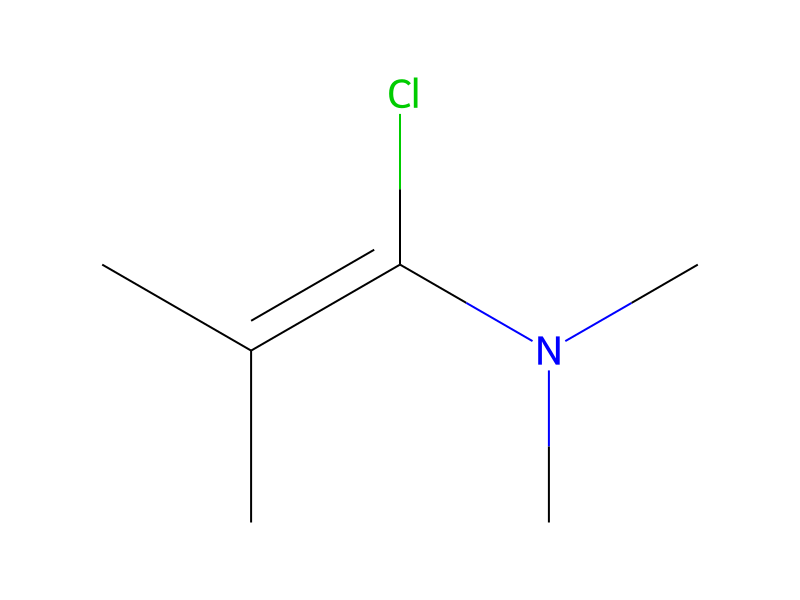
[CH3:1][C:2]1[CH:3]=[C:4]([CH:8]=[CH:9][N:10]=1)[C:5]([OH:7])=O.ClC(N(C)C)=C(C)C.[NH2:19][C:20]1[CH:28]=[C:27]2[C:23]([C:24]([CH3:34])([CH3:33])[C:25](=[O:32])[N:26]2[CH:29]2[CH2:31][CH2:30]2)=[CH:22][CH:21]=1.C(N(CC)CC)C>ClCCl.O.C(=O)([O-])[O-].[Na+].[Na+]>[CH:29]1([N:26]2[C:27]3[C:23](=[CH:22][CH:21]=[C:20]([NH:19][C:5](=[O:7])[C:4]4[CH:8]=[CH:9][N:10]=[C:2]([CH3:1])[CH:3]=4)[CH:28]=3)[C:24]([CH3:33])([CH3:34])[C:25]2=[O:32])[CH2:31][CH2:30]1To a solution of 2-methylisonicotinic acid (95.1 mg, 694 μmol) in dry dichloromethane (3.64 ml) under an argon atmosphere at 0° C. was added a solution of 1-chloro-N,N,2-trimethylpropenylamine (104 mg, 763 μmol) in dry dichloromethane (1 ml). After 2 hours 6-amino-1-cyclopropyl-3,3-dimethyl-1,3-dihydro-indol-2-one (example 14c, 150 mg, 694 μmol) and triethyl amine (140 mg, 193 μl, 1.39 mmol) were added at 0° C. The reaction mixture was warmed to room temperature, kept at this temperature for 16 hours, then diluted with dichloromethane, water and 1 M aqueous sodium carbonate solution. The aqueous phase was extracted with dichloromethane. The combined organic layers were washed with 1 M aqueous sodium carbonate solution, dried over sodium sulfate, the solvent was evaporated and the residue was purified by silica gel chromatography using dichloromethane/methanol as eluent. The title compound was obtained as light yellow oil (207 mg).
Loading…