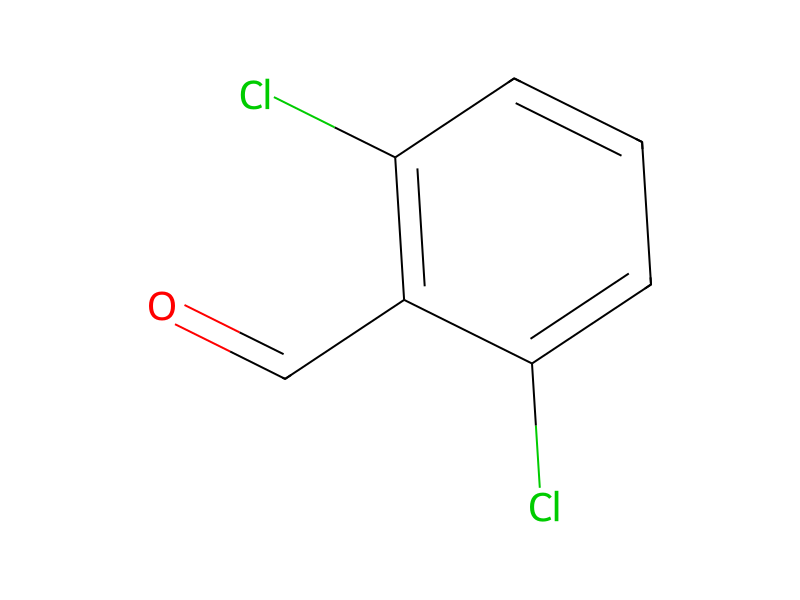
To a solution of 4-nitro-benzene-1,2-diamine (1.5 g) and 2,6-dichloro-benzaldehyde (1.7 g) in DMSO (20 mL) was added a catalytic amount of FeCl3 and the mixture was stirred in an open flask at ambient temperature overnight. Resulting solution was diluted by aqueous NH4Cl and extracted twice with ethyl acetate. Combined organics were dried over Na2SO4, filtered, and concentrated in vacuo. The residue was taken up in THF (10 mL) and mixed with conc NH4OH (5 mL). To the solution was added Na2S2O4 (2 g) as a solid and the mixture was stirred at ambient temperature for 24 h. After usual aqueous workup, the crude product obtained was purified by column chromatography on silica gel to give aerobically unstable 2-(2,6-dichloro-phenyl)-3H-benzoimidazol-5-ylamine: 1H NMR (CDCl3, 400 MHz) 7.4 (app d, 2H), 7.3 (m, 1H), 7.2 (m, 2H), 7.1 (app d, 1H), 6.7 (br, 1H), 3.7 (br, 2H).